This article was originally published by Aran Graham on LinkedIn under the title, "When does helpful caution about doing business in Japan become gatekeeping?" posted July 3, 2026.
Is Doing Business in Japan Really So Difficult for Foreigners?
In the two years since we moved here, started a business focused on Japanese traditional craft, and had countless meetings with some of Japan's most respected artisans, we have noticed a strange pattern…
Whenever we meet with other foreign-born entrepreneurs or business owners also based in Japan, and we tell them what it is we do as Bottlecap (increasing visibility of Japan's craft artisans struggling to survive or find successors to their crafts), we are often (but not always!) met with some resistance.
“They won’t open up to you,” or “You’ll need someone else to introduce you,” “Do you have an interpreter?” and similar statements suggesting that Japan is somewhat closed off to non-Japanese people asking questions. They emphasize the importance of relationships and trust-building, and we completely agree that those are at the top of the list!
Taken at face value, they may be innocent enough as statements. But there’s sometimes an implication or tone embedded in such assessments. One of closed doors, and a need for facilitators with deep connections. Sometimes, even, a proclamation that you will fail before you even start. (We’ve been told that a few times, ourselves, and occasionally without subtlety.)
But is this the reality? (This is a rhetorical question, of course. Our answer is, “no.”)

Breaking Down Stereotypes About Japanese Artisans
Early on, Samantha and I decided to set such narratives to the side. We would first see if our Kindergarten-level Japanese, iPhone cameras, and a willingness to wear our own cluelessness (and tattoos!) on our sleeves would be okay for a start… And to see whether the rhetoric of secrecy, scepticism, and closed doors actually matched the reality.
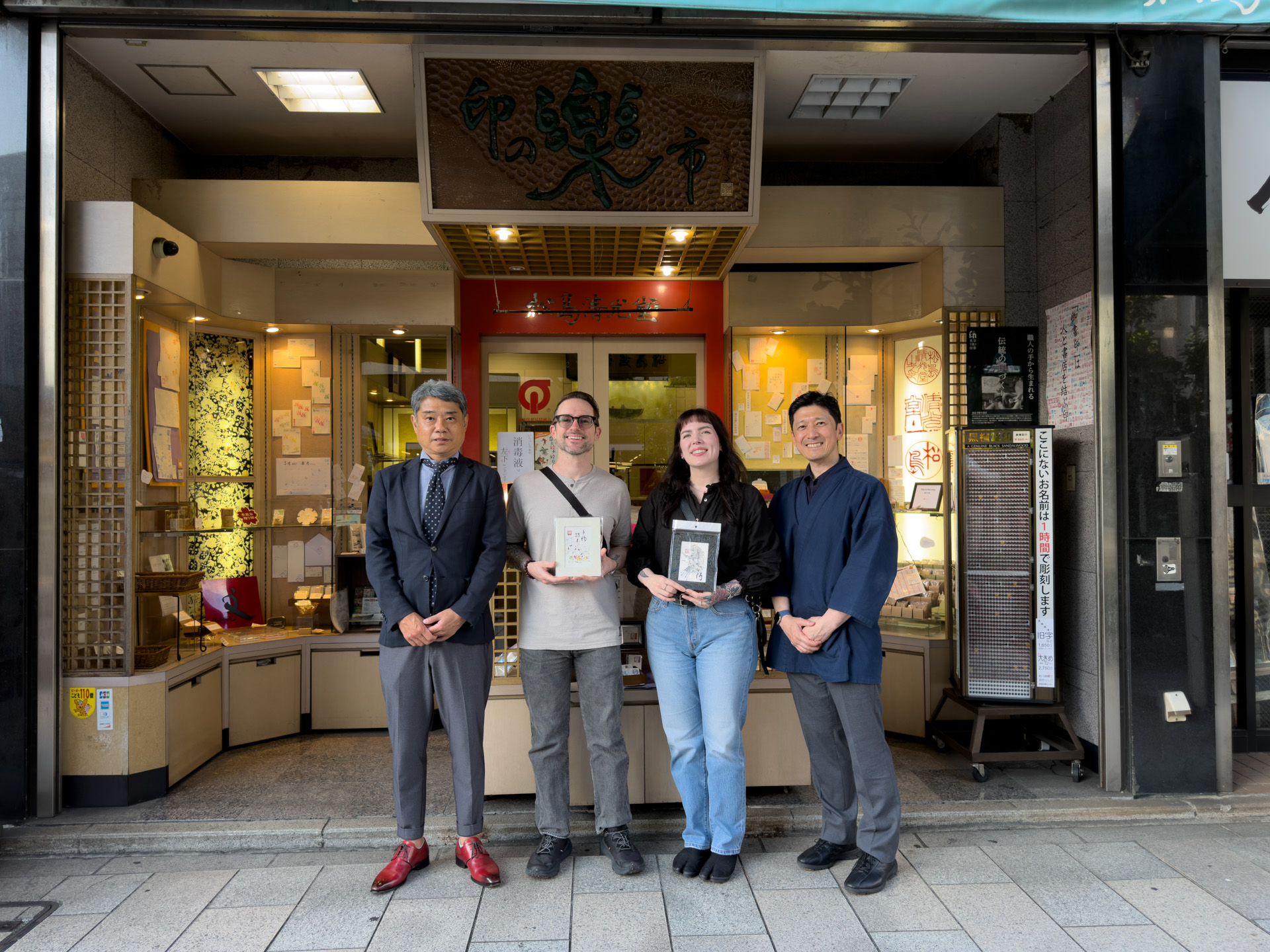
And… We have been greeted at every turn with open arms, invited into spaces people would otherwise never see or know exist (many at risk of closure), and allowed to freely capture and share it all with the world… all without expectation or limitation. Japan’s artisans are some of the most lovely, open, humble, curious, skilled, and committed people we have ever had the chance to know.
And they let us, complete strangers to them, their craft, their culture, their country… in.
The stereotype of coldness and apprehension hasn’t stood up against our lived reality. It hasn’t been even slightly similar… rather, completely opposite. So then, why does this version of Japan still seem to persist among some foreigners here?

You can meet Yamamoto-san at his Nikko Geta workshop on a private day in Nikko, or discover more craftspeople preserving Japan’s traditions.
Building Trust and Relationships in Japanese Business Culture
An optimistic perspective might be that they’re just hoping others don’t have to encounter difficulties that they may have themselves faced in the past, whilst building their own businesses and relationships here. It’s incredibly challenging for even the most experienced professionals from other markets to establish themselves in Japan, so sharing their experience to help temper expectations for others’ benefit can be a kindness… “Just be respectful and follow the rules,” is a reasonable minimum.
However, we sometimes feel like what helped most wasn’t quite fearlessness, wasn’t quite preparation, but a balance… An understanding of the difference between care and fear. We try to approach things with an awareness of the potential for rejection, but also without assuming closed doors before even having knocked.
Because, perhaps, we are willing to boldly say, “We don’t know anything about this tradition/the craft, but we are amazed by it and want to know your story… However much you’d like to say, we’d like to listen.”
We don’t approach as if we ourselves are also experts, “professionals,” or even knowledgeable, but rather as people with a completely transparent agenda… To see people and their traditions just as they would like to be seen, and without expectation.

So, what’s keeping the stigma of coldness and apprehension alive? From our time here, it’s certainly not the people who are the subject of it. Some may be tempted to discount positive encounters as mere “performative hospitality,” rather than the Omotenashi that Japan is often renowned for.
But that is potentially a stereotype in itself, suggesting the Japanese are more likely “faking it” around foreigners rather than being genuinely welcoming. It risks implying that genuine openness is somehow less believable than reluctance. Not true, from our own lived experience here.
When Business Advice About Japan Becomes Gatekeeping
There’s maybe another explanation for the persistence of stereotypes: The “closed-off country” narrative potentially helps some service providers convince you that you need their services, lest you wander into the minefield they say is waiting for you if you go it alone. A stone’s throw from gatekeeping, perhaps.
This isn’t to say, “Go it uninformed,” but rather that you should allow neither fear nor stereotyping to guide your approach to Japan. There may not be as much reason for the highest levels of caution others may want you to believe (they may even benefit from feeding your fears!).
And, the consequences for further proliferating such overcautiousness could be part of the very systems that struggling industries in Japan can’t overcome on their own… They may not even be aware that such narratives exist!

Finding a Balance Between Cultural Respect and Fear
At the end of the day the goal is a balance… I’m saying that there are many ways to find a balance here; to both respect the culture and also make inroads for yourself and your business. And there are also many people who can provide quality advice and support from a genuine place of knowledge and experience!
Cultural humility matters. Relationships matter. Preparation matters. But when advice about Japan becomes fear-based, it reinforces stereotypes, discourages direct connection, and keeps struggling industries less visible than they deserve.
One of the best ways to understand Japanese craftsmanship is to experience it firsthand. At Hiyoshiya in Kyoto, you can make a lamp using kyo-wagasa umbrella techniques and be guided through the umbrella atelier, or explore more hands-on workshops led by artisans who are eager to share their skills, stories, and traditions with curious travelers.
Want to discuss this article? Check out the "Japan Handmade Forum" on Discord to join the conversation!
Know someone we should interview next? Send us a recommendation at hello@bottlecap.jp
This page may contain affiliate links, and Bottlecap may earn a commission at no extra cost to you.