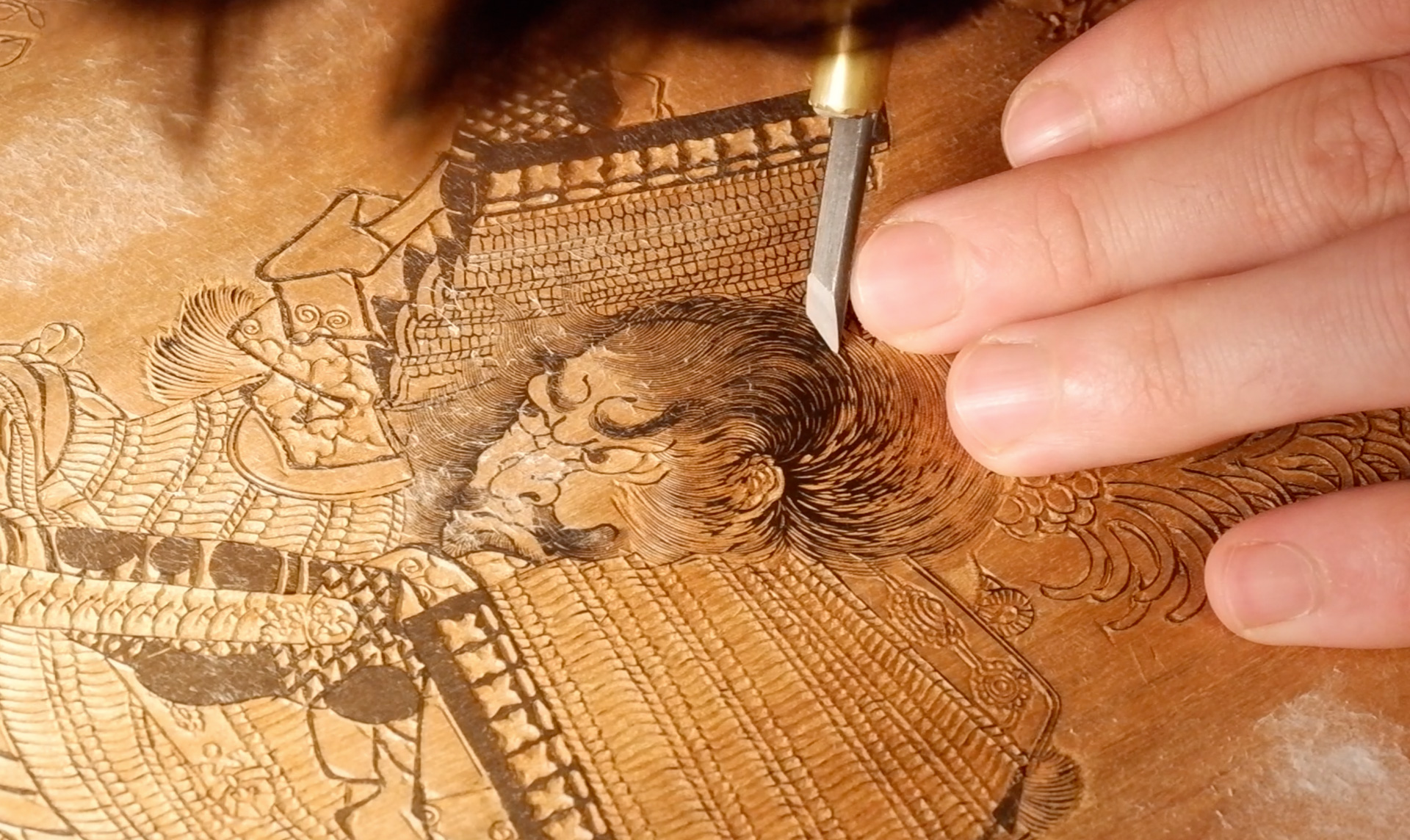
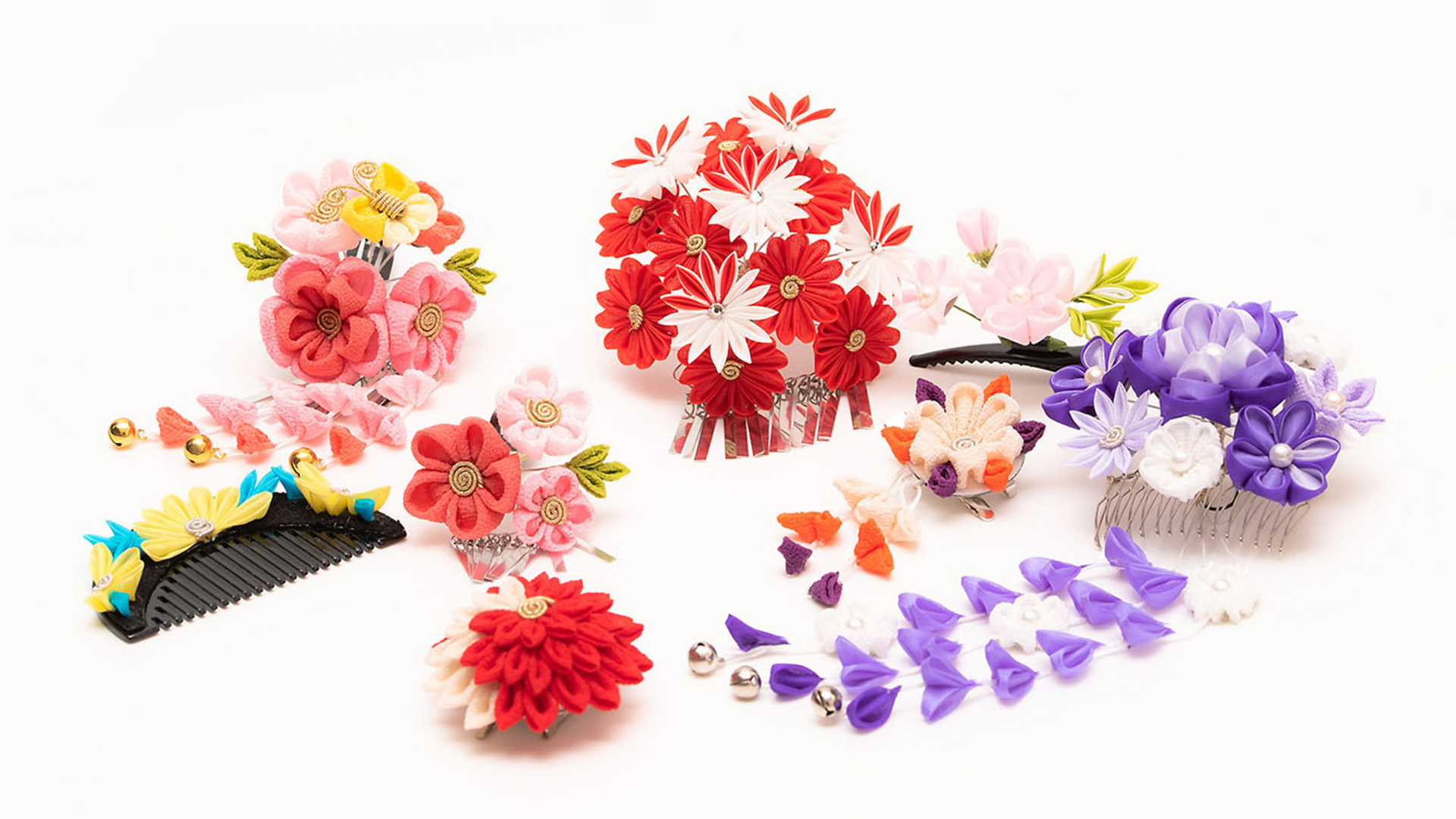
Tsumami zaiku begins with remarkably simple materials: small squares of fabric, a pair of tweezers, and a series of careful folds that transform cloth into delicate flowers and other forms. For Tomomi Yamashita, International Tsumami zaiku Association (ITA) teacher, that accessibility has become central to a larger mission: sharing the traditional craft with students around the world while preserving the techniques and cultural meaning behind it.
In this interview, she reflects on teaching international students, the role of creativity within tradition, the significance of tsumami kanzashi in important life events, and why the future of tsumami zaiku may increasingly depend on people outside Japan who choose to learn, practice, and pass it on.
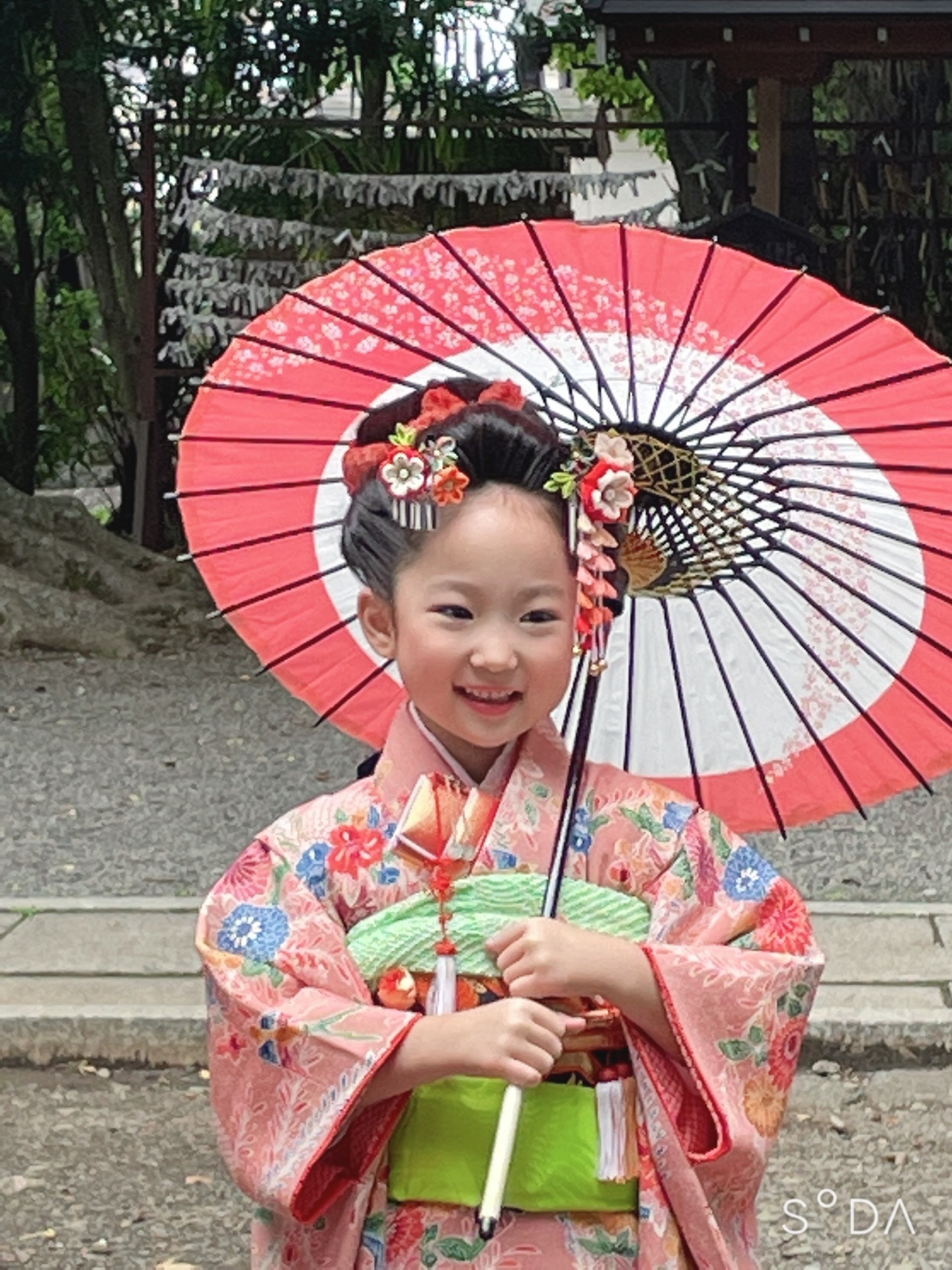
What is tsumami zaiku? Tsumami zaiku is a traditional Japanese craft in which small squares of fabric are folded and pinched with tweezers, then arranged into flowers and other decorative forms. The technique is especially associated with tsumami kanzashi, ornamental hairpieces worn for occasions such as Shichi-Go-San, Coming-of-Age Day, and weddings.

Discovering Tsumami Zaiku and a Life in Traditional Craft
What first drew you to tsumami zaiku, and what made you decide this was the craft you wanted to dedicate your life to?
My interest in Japanese culture and tradition was first sparked by the years I spent living in the United States as a child. Being in a foreign country made me strongly aware, for the first time, of what it meant to be Japanese. Questions began to rise naturally within me: What does it mean to be Japanese? What kind of culture does Japan hold?
Then I found tsumami zaiku.
A few small squares of fabric. A pair of tweezers. And from that, a flower so delicate it barely seems real. What struck me wasn't just the beauty, it was the feeling that this was something anyone could do. Like origami, but with cloth. Like a language anyone could speak, no matter where they came from.
That's when I knew. This was the craft I wanted to give my life to, not just to practice, but to share with the world.
Why Tsumami Zaiku Was Designed to Reach Students Worldwide
Your classes are remarkably accessible to international students, both in Japan and online. Was making tsumami zaiku accessible to people around the world always part of your vision, or did that develop naturally as more international students found your work?
Honestly, I don't think there are that many Japanese people today who have a deep interest in their own traditional culture. There was a time when Japanese culture and tradition were inseparable from everyday life, not something special or set apart, but simply part of how people lived. Over time, though, Japanese lifestyles changed rapidly, shaped by Western influence, and with that shift, many people's attention turned outward, toward the world beyond Japan.
And yet, on the other side of that, I've seen how strongly people outside Japan are drawn to Japanese culture and history. That made me think: if I direct my energy toward those people, this craft can reach further, and faster. So from the very beginning, I chose to look outward. It wasn't something that developed naturally over time; it was a conscious decision I made from the start.
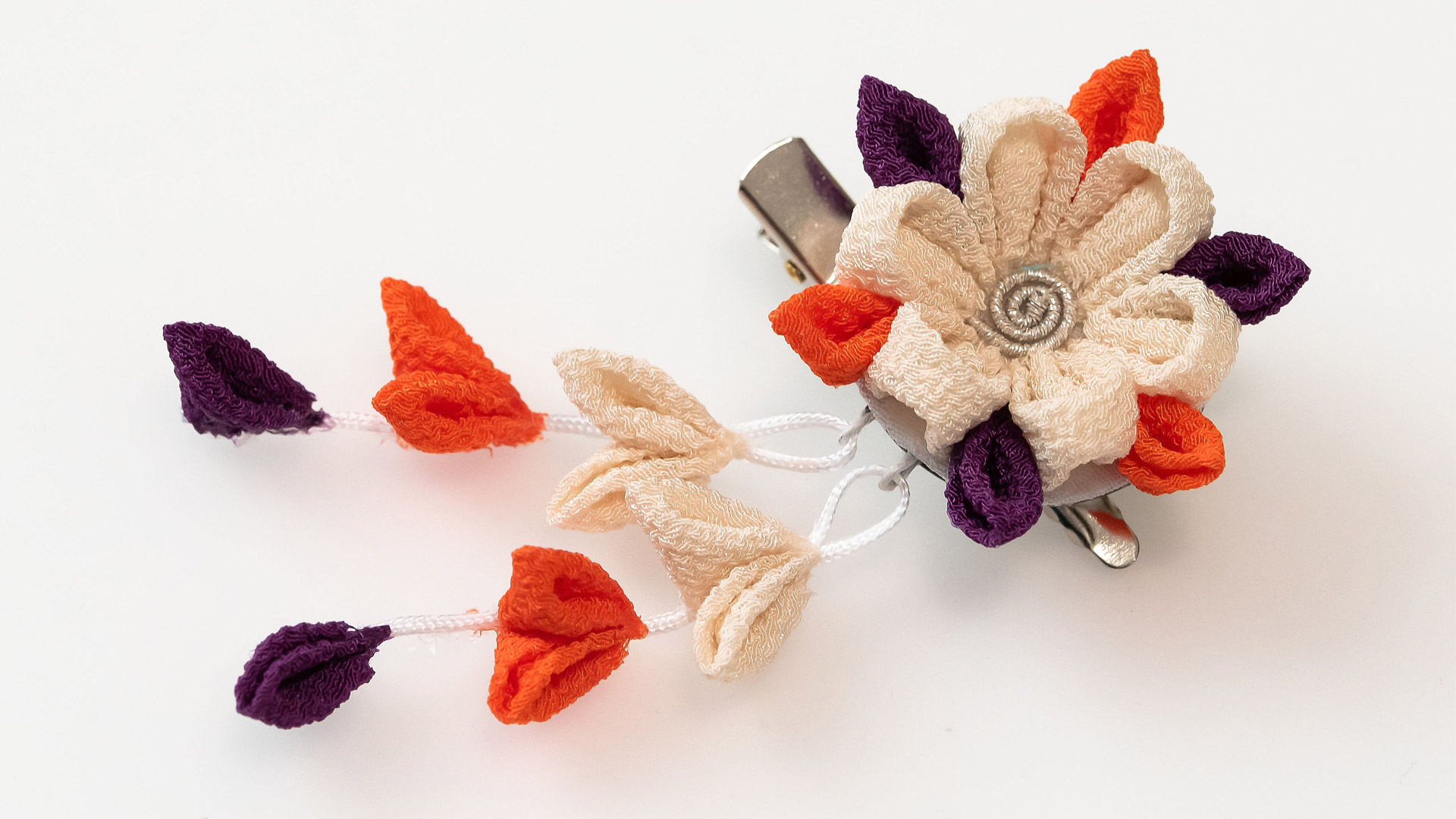
Try a tsumami workshop in Tokyo with Yamashita-san!
What International Students Bring to Japanese Craft
After teaching students from so many different countries, have you noticed different approaches to creativity or craftsmanship? Have any of those perspectives changed the way you think about your own work?
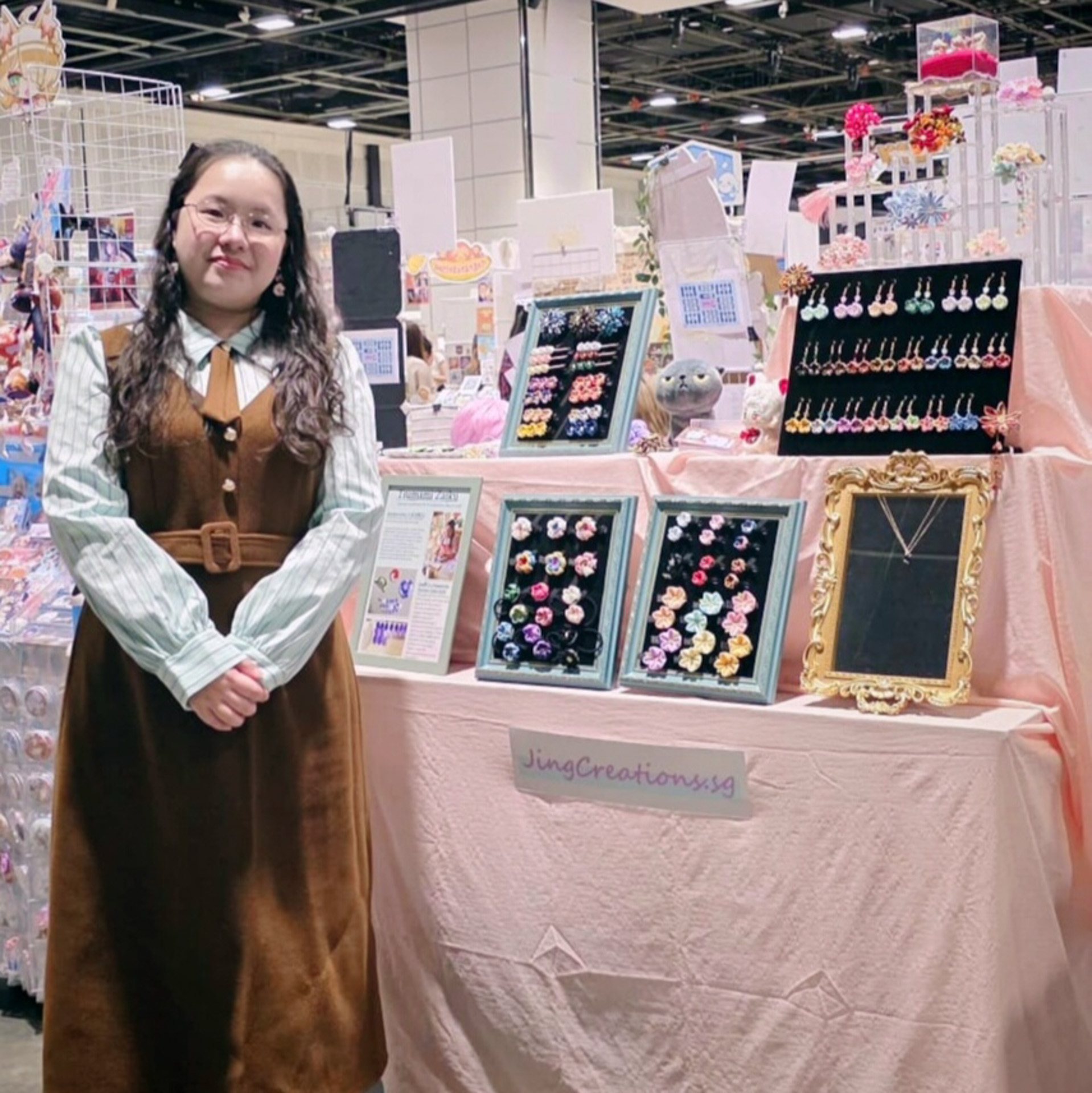
International students often bring a freedom and boldness to color combinations and design that I find truly refreshing. It's also fascinating to notice how color preferences vary from country to country; watching that unfold is one of the quiet joys of teaching. These perspectives remind me, again and again, of the possibilities that exist within tradition itself. There are moments when I realize that although I'm the one teaching, I'm the one being taught.
What moves me most, though, is that beneath all that creative freedom, there is always a deep respect for Japanese traditional technique and culture. That, more than anything, makes me genuinely happy.
Finding Stillness Through Making Tsumami Zaiku
Has a student ever shared a personal story or experience after one of your workshops that has stayed with you?
The words that have stayed with me most are these: "The time I spend making tsumami zaiku has become the time I spend with myself." In the midst of busy, demanding days, the act of folding and layering fabric brings a stillness; a chance to quiet the mind, to come back to oneself. Hearing a student describe it that way touched something in me deeply.
I came to this work wanting to pass on a technique. But learning that tsumami zaiku had become a place of refuge for someone (a way to breathe) meant more than I had ever expected.
And then there are students like one who came to Japan for a week-long in-person workshop, her eyes lighting up at every piece she saw, saying "I want to make something like that." Even after returning home, she has continued working through video lessons with the same enthusiasm. Watching her, I can feel how much love she has for this craft. I came to teach, and yet her dedication never fails to inspire me.
The Meaning Behind Tsumami Kanzashi
You create pieces that may become part of weddings, coming-of-age ceremonies, and other important moments in people's lives. Does knowing your work will become part of someone's memories change the way you approach each piece?
Tsumami kanzashi accompanies some of the most important moments in a person's life; Shichi-Go-San, Coming-of-Age Day, weddings. As my hands move, I find myself genuinely wishing happiness for the person who will wear it.
There is a long tradition in Japan of placing one's heart into the things one makes. Tsumami zaiku, I believe, is very much a craft that carries the maker's prayers within it. Never losing sight of that feeling. That, more than anything, is what I hold most dear.
Balancing Tradition and Innovation
When creating new designs, how do you decide where to draw the line between respecting tradition and exploring something new?
The starting point is always a solid understanding of traditional technique. Only by standing firmly on that foundation can you begin to make meaningful judgments, knowing where there is room to interpret, and where changing something would only take away from its beauty.
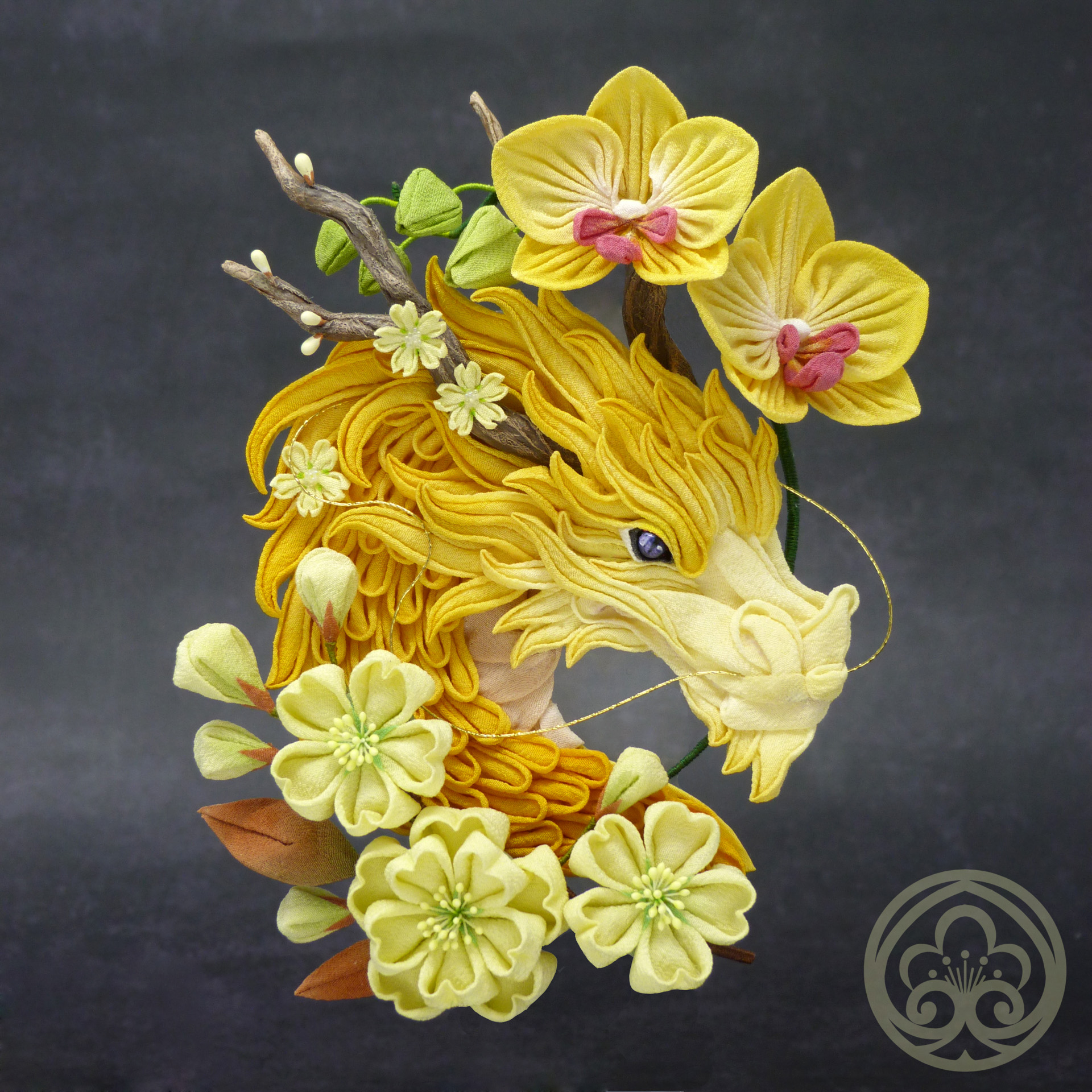
I believe that tradition cannot be carried forward without innovation. Every traditional culture has undergone change and transformation across the ages to arrive at where it is today, and tsumami zaiku is no different. What I also love about this craft is that it has no absolute rules. That freedom of expression is, I think, one of its greatest gifts.
New Possibilities for Tsumami Zaiku Beyond Accessories
Is there a collaboration, project, or new application of tsumami zaiku that you would like to explore in the future, perhaps alongside another traditional Japanese craft?
I'm very interested in exploring collaborations with other Japanese traditional crafts. But honestly, I'm equally excited by the idea of pairing tsumami zaiku with something that feels completely unexpected; something from an entirely different world.
Tsumami zaiku is still a relatively niche craft. That's exactly why I think a collaboration with something universally known could bring it to so many more people at once. Anime, for example... why not?
And when it comes to reaching people outside Japan, I think tsumami zaiku has real potential as interior art. Beyond hairpins, beyond accessories; imagine it gracing living spaces as a form of art. That's a future I'd love to see.

Want to learn a traditional craft at home? Discover Online courses for Japanese traditional crafts!
Building a Global Network of Tsumami Zaiku Instructors
Have you had any students return to their home countries and introduce tsumami zaiku to their own communities? If so, what has it been like to see the craft take on a new life outside Japan?
Yes, and that is exactly why I created the certified instructor program. There are now 11 certified instructors outside Japan, each holding workshops and sharing their own creations in their home countries.
The technique I passed on with care has now reached people in countries I've never visited, and from there it continues to spread to someone new, and then someone else. That chain of connection moves me deeply. Knowing that there are people around the world who share this passion. That, more than anything, brings me joy and keeps me going.
How International Students Can Help Preserve Traditional Crafts
As more people around the world discover Japanese traditional crafts, what role do you think international students and enthusiasts can play in ensuring crafts like tsumami zaiku continue to thrive for future generations?
First and foremost, simply wanting to understand the tradition and history behind the craft; that alone means everything to me. From that foundation, I hope people will go on to blend what they've learned with the aesthetics and culture of their own countries, giving rise to something new.
In Japan, the reality of dwindling successors is something we cannot ignore. That's why I truly believe that the passion and curiosity of people around the world have the power to carry this craft into the next generation. People who love tsumami zaiku existing all over the world. That, I feel, is the future of this craft itself.
Try a workshop experience with Yamashita-san in Tokyo.
Explore the knot JAPAN website, and follow Yamashita-san on Instagram.
Want to discuss this article? Check out the "Japan Handmade Forum" on Discord to join the conversation!
Know someone we should interview next? Send us a recommendation at hello@bottlecap.jp
This page may contain affiliate links, and Bottlecap may earn a commission at no extra cost to you.