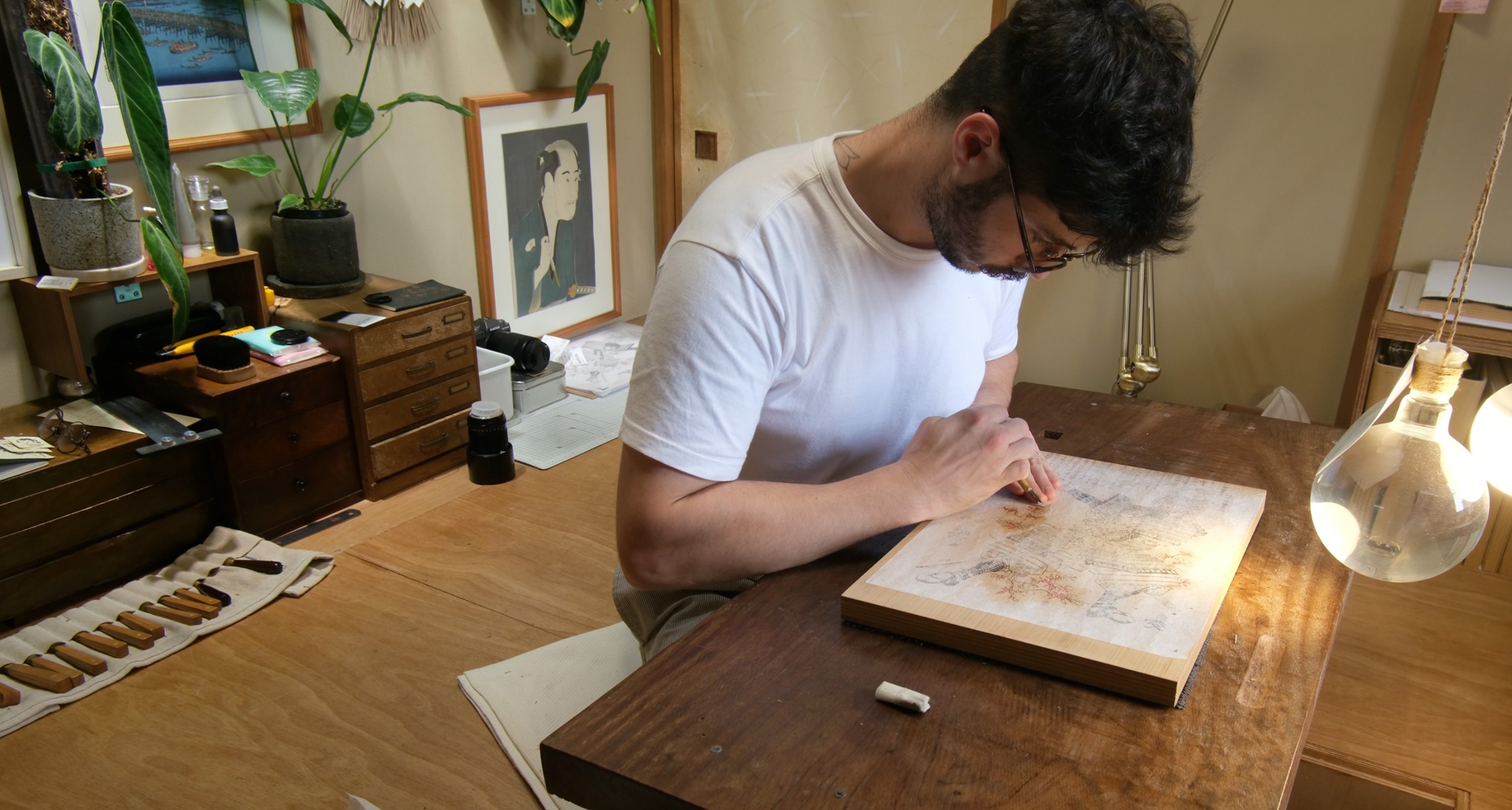
For Welsh woodblock carver Taran Casey, the path into Japanese printmaking began with a fascination for ukiyo-e and a decision to learn how the images he admired were actually made. After moving to Japan, teaching English to support himself, and spending months practicing alone, he eventually earned a place as an apprentice under master carver Asaka Motoharu.
Seven years later, carving has become his full-time profession. In this interview, he reflects on the discipline of a traditional Japanese apprenticeship, learning to see through the eyes of a master, building a career in woodblock carving, and what it may take to make craft apprenticeships more sustainable for the next generation.
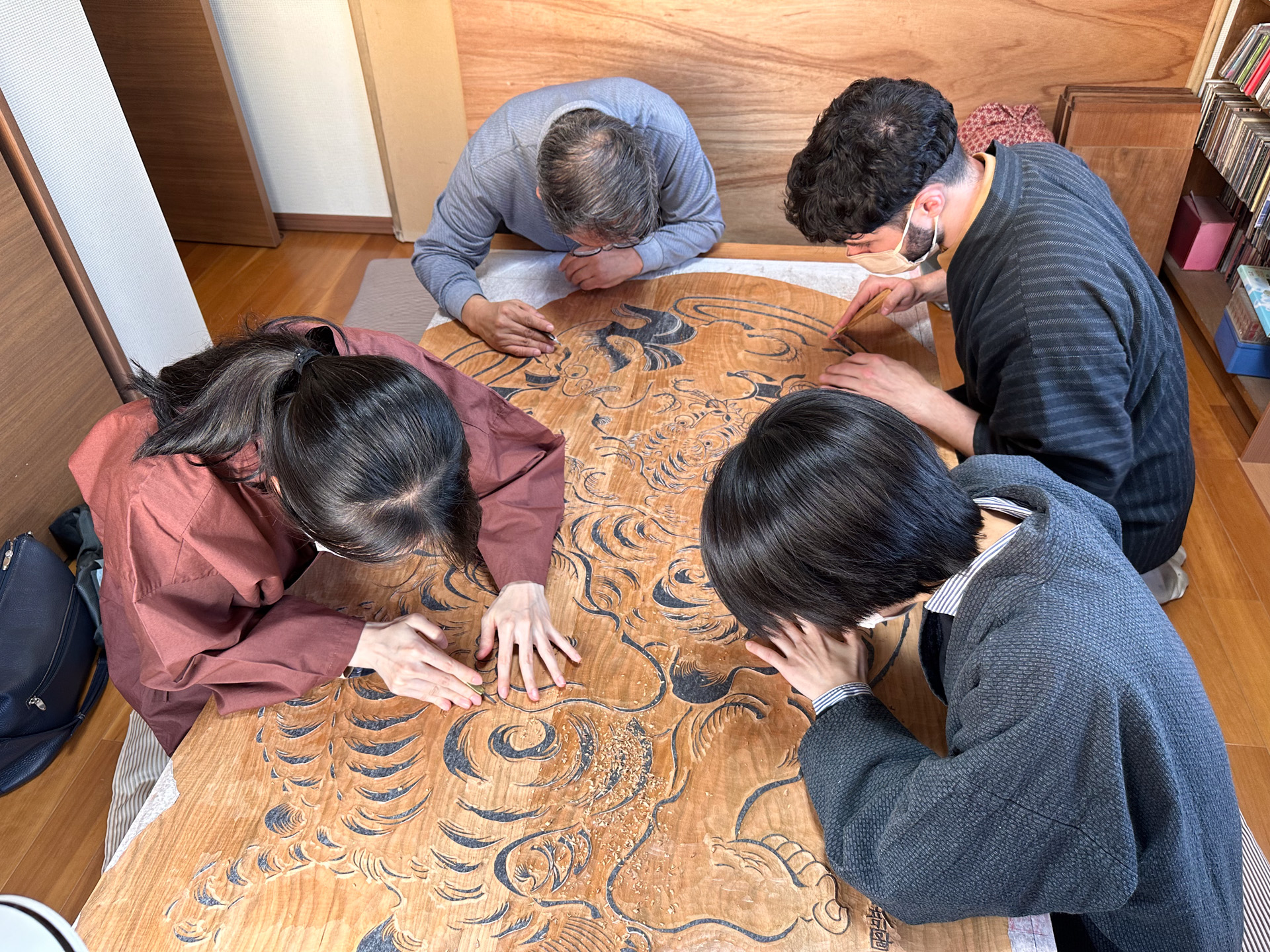
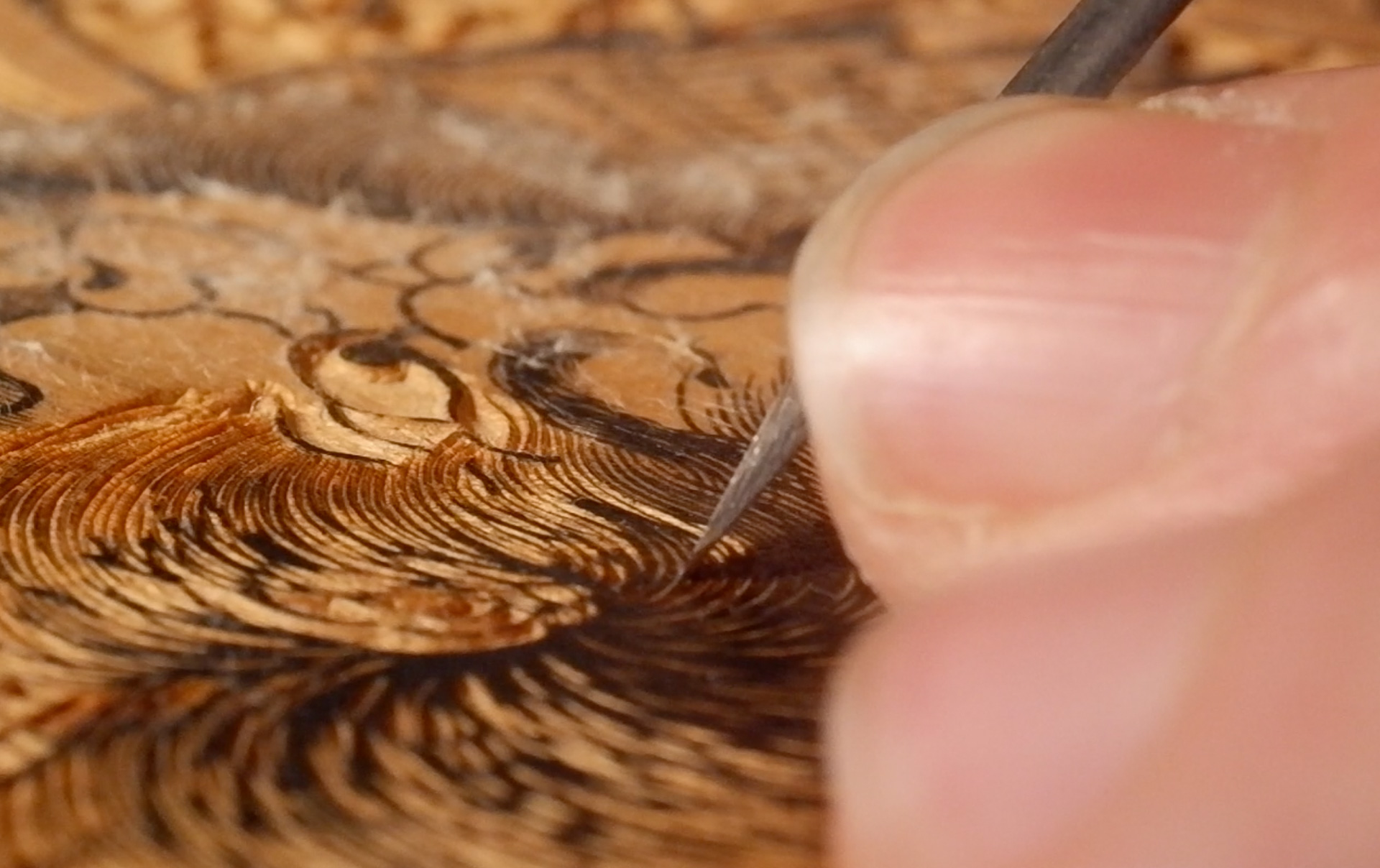
What is ukiyo-e woodblock carving? Ukiyo-e woodblock carving is the process of cutting an artist’s design into wooden printing blocks so the image can later be printed by hand. Traditional prints often required separate blocks for outlines and colors, with highly skilled carvers responsible for reproducing delicate brush lines, fine details, and the structure needed by the printer.

Discovering Japanese Woodblock Carving
You moved from Wales to Japan with the goal of pursuing woodblock carving professionally. What first drew you strongly enough to the craft that you decided to build your life around it?
I'd always had an interest in Japanese art, particularly as a young teen, when I fell in love with Japanese tattooing. Japanese tattooing has deep roots in ukiyo-e and traditional Japanese woodblock prints, and it was the designs that I was drawn to that first led me towards that connection. At this time, however, I had never really thought about, and certainly didn't know, how the prints themselves were made. I've always drawn and painted, but never really thought that becoming an artist was a viable idea. It always seemed like such a gamble. You can work and grow your skill, but if the cards don't fall right for you, getting recognised and "making it" as an artist just seemed like an impossibility.
I then stumbled upon some YouTube videos, and for the first time I got to see how the prints were actually made. It was such a revelation for me: a career where I could work with my hands, creating beautiful art, and the only barrier I saw was one of skill. Admittedly, an extremely high level of skill, but get good enough at carving and you can have a stable income. That was something I could understand. If I could just get good enough, then perhaps I could make a life out of it.
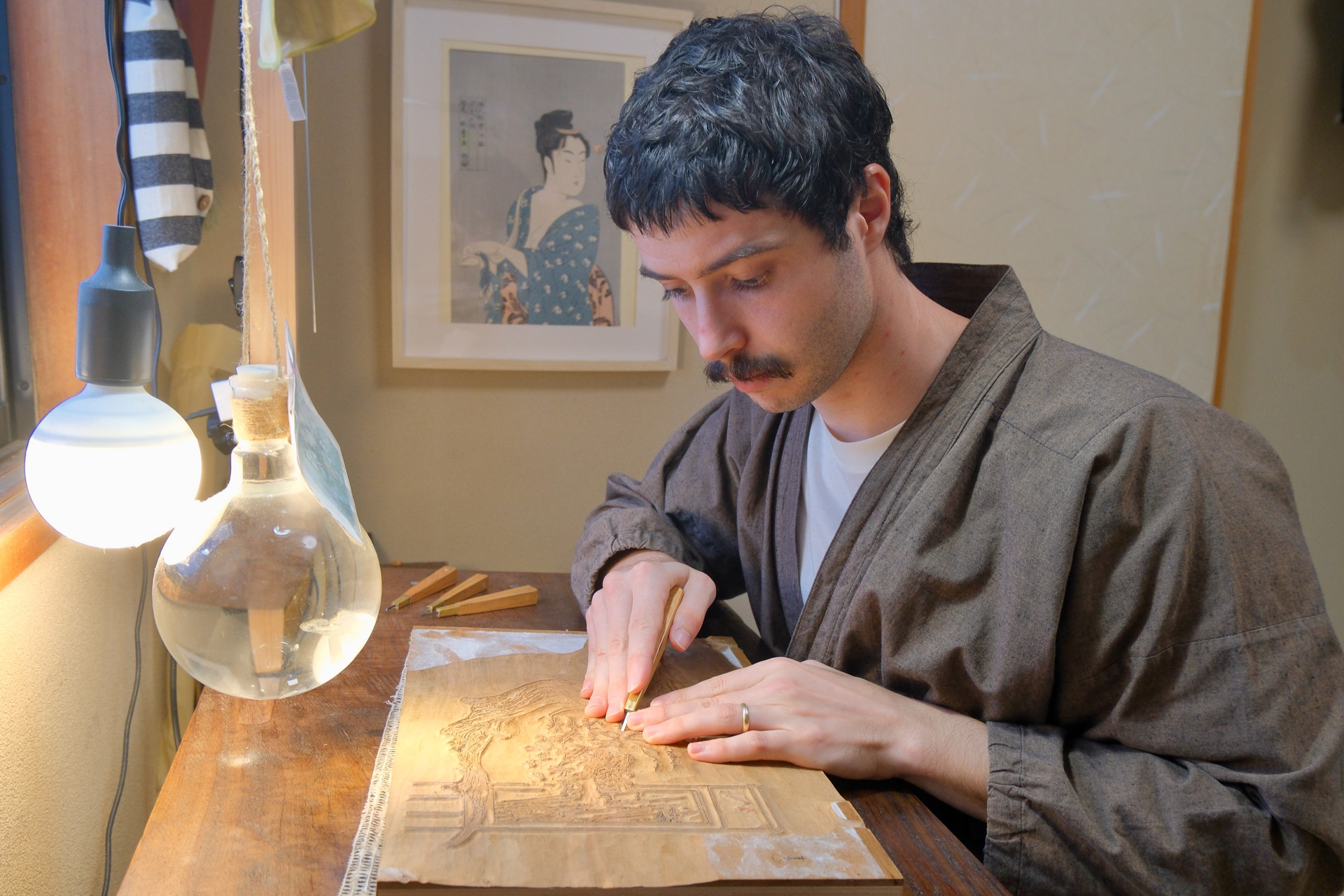
I had a go at carving myself, in a very rudimentary way. I had bad tools and terrible wood, but within five minutes of actually putting a knife to the wood, I knew that this was what I wanted to do. I reached out to a few people, but quickly realised that the only way to do this properly would be to go to Japan, take a formal apprenticeship, and learn the craft properly.
If I was going to have a stab at this, I wasn't going to half-ass anything. I was 26 at this point, about a decade older than carvers of the past would typically have been when they started, so for however long this was going to take, I was going to have to work harder than they did to catch up. I would sweep any floor, clean any toilet, and check my ego at the door. If my teacher said jump, I would say jump. I was going to work for as long as it took to become the best in the world at this one very niche thing.
And so I did. A month later, I was in Japan on an English-teaching visa, which was how I planned to support myself financially while I trained. I knew that becoming a professional carver would take years and this was my way in to the country.
Finding a Master and Earning an Apprenticeship
When you arrived in Japan, how did you begin finding your way into the world of professional woodblock carving, and how did that eventually lead to meeting Asaka-sensei and beginning your apprenticeship?
I reached out first to Dave Bull, whose videos were the first I ever saw and which started this whole journey for me. I got back an automated response saying that Mokuhankan did not do apprenticeships and that I should just give it a go by myself.
I then learnt about a few other carvers in Japan through my research, and one person stood head and shoulders above the rest. Asaka Motoharu was the best traditional carver in the country. Rather than making the mistake of cold-calling him and simply asking, "Please take me on as an apprentice," I gathered some better tools and got to work learning as much as I could and trying to make something I thought was respectable enough to show Asaka-sensei before I went knocking.
I worked for six months by myself, waking up at 5am to carve a little before I went to my new job teaching English. After I came home, I carved. I dreamed of carving. I became obsessive. If he refused me, I truly didn't know what I was going to do. He was my teacher; he just didn't know it yet.
My plan, however, was slightly interrupted by a phone call.

I'd been going back and forth to the only woodblock maker in town, Matsumura san of "Woodlike Matsumura", to pick up new blocks to work on. Typically, these orders were made in advance by phone, but my Japanese at this point was pretty rudimentary, and I didn't do this. I had no money to place future orders either, so I kept showing up at the shop and asking Matsumura-san for whatever cherry blocks he had available. He'd scratch his head, have a rummage around for some pre-made blocks, and I'd take them home.
This had become a pattern. As I was coming to the end of one block, I'd scrape some money together, English teaching doesn't pay very much, and head over again. One day, after noticing this young guy come in for the umpteenth time looking for whatever blocks he had, Matsumura-san told me that there was a school taught by his good friend, the carver Asaka Motoharu.
I told him, "Yes, I'm very aware. I want to be his apprentice, but I don't have any good work to show him yet."
I think my Japanese wasn't very clear because he waved me off and picked up the phone. He said something like:
"I've got this young British guy who keeps coming in here and he says he wants to be an apprentice."
He then turned to me and said, "Go over tomorrow at 3."
It was now or never. I wasn't ready, but I gathered what I had made and went over there.
He looked at my work. I told him my intentions, and he said that it wouldn't be easy. He wanted an apprentice who wouldn't quit, and it would be at least seven years of training before I could reach the level he expected. The goal was to be able to carve the hairline on a courtesan print. The first seven years, at minimum, would be training, and in return for the considerable investment of teaching somebody, he expected a ten-year commitment to work with him. There would be no money until I was good enough.
I said yes. I understood and agreed to all of it.

Taking on an apprentice for ten years is a big commitment, and he could have simply said yes to me on the spot. Instead, he told me that I should join his classroom, attend for a year, and that he'd make a decision based on my progress after that year.
To my knowledge, there had been a number of non-Japanese people over the years who had made prints, attended short courses, and done mini-apprenticeships of a couple of weeks or a month, but until I finally secured my position under Asaka-sensei, there hadn't been a foreigner who had attempted a full traditional apprenticeship of this type before.
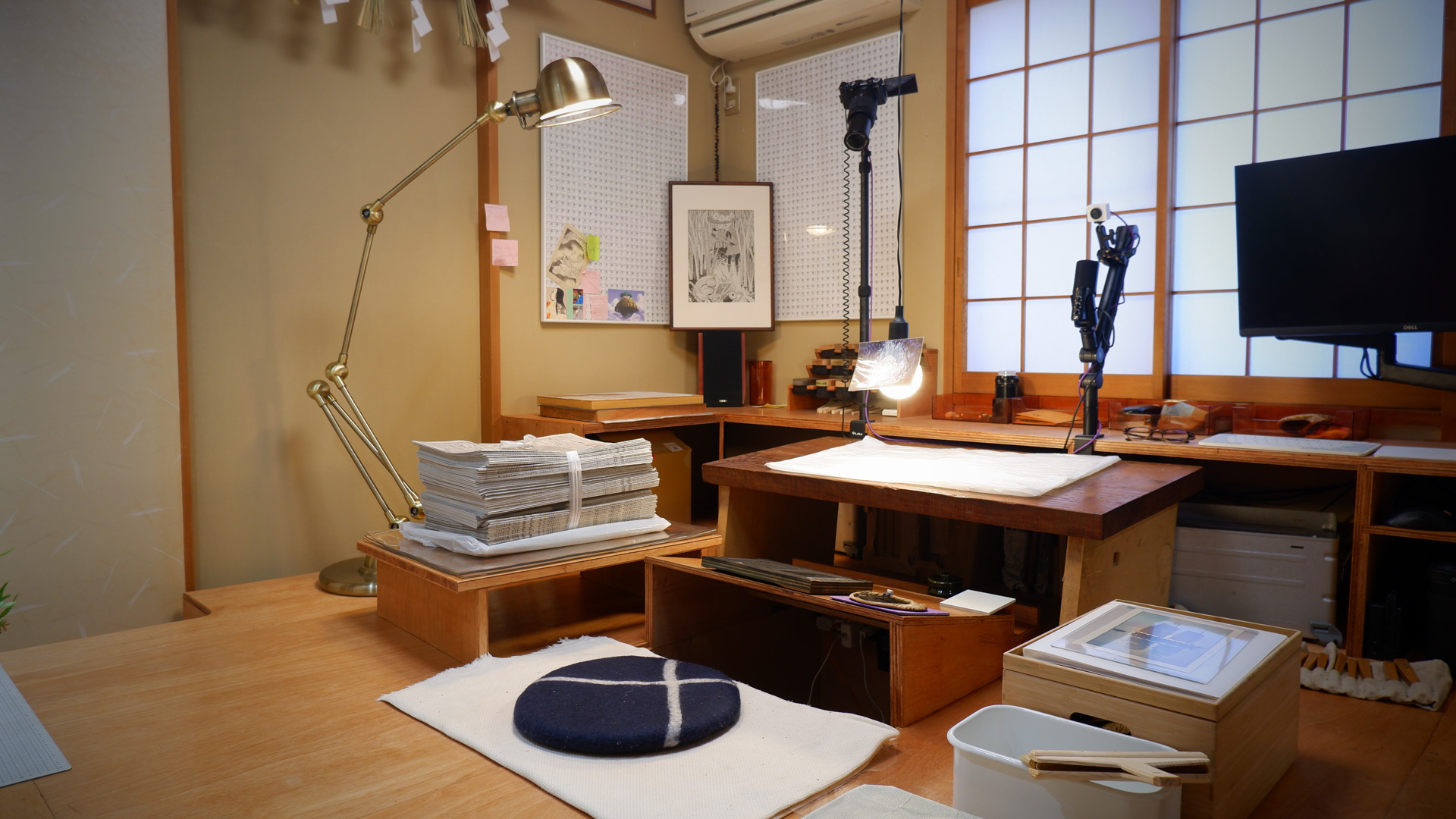
I took out a small loan to pay for a bunch of classes in advance, and I went to every available class. After a year, he very unceremoniously told me that I was now his apprentice and that from then on it was my job to clean the windows, scrub the toilet, and clean the studio before I got to work.
And so it started.
The windows never looked better.
Want to learn a traditional craft at home? Discover Online courses for Japanese traditional crafts!
Relearning the Fundamentals of Carving
What were some of the earliest challenges you faced when beginning your apprenticeship, and what helped you grow into the role?
Having worked by myself for a while, I had picked up some wrong ideas and developed some bad habits. I basically had to start again from scratch, relearning how to use the knife correctly and how to relax my carving. Not to over-grip, how to apply force without tensing any muscles, and how to make a cut with the right amount of pressure while still keeping the carving relaxed. But slowly, it came. There were, and still are, numerous challenges: carving stroke order, the correct order of operations, depth of cuts, and how to prepare a block for a printer's ease of printing. Same as in any field, you learn and struggle and grow.
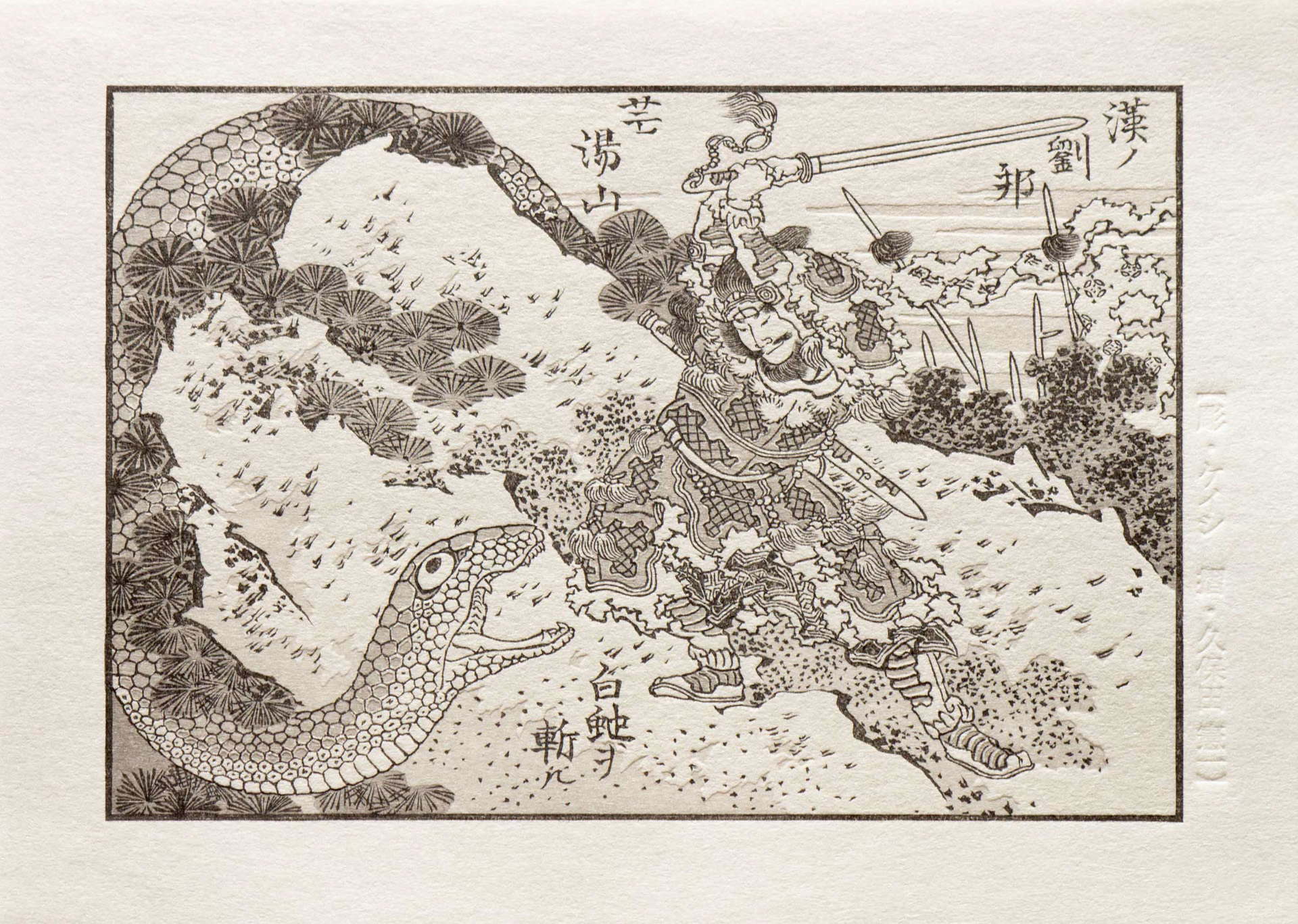
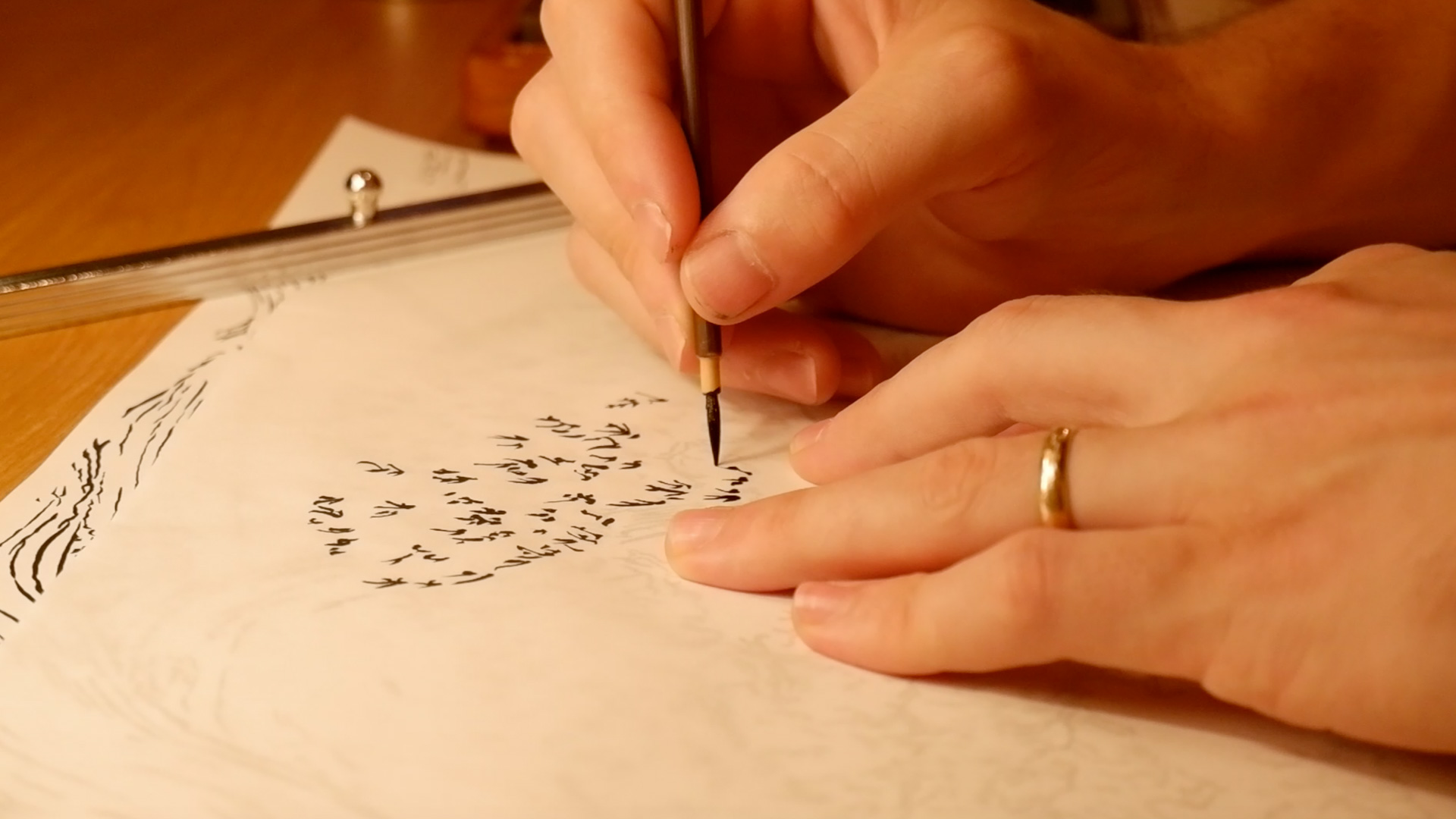
Some of the more unique challenges were that I hadn't grown up with a fude, a Japanese calligraphy brush, in my hand as all Japanese children do. I didn't know the stroke orders of the brush, and I hadn't internalised the essence of a brush. There is an ephemeral quality to the way a brush moves, something that is difficult to put into words but that becomes embedded in you through years of using one. We look at alphabetic type and can instantly tell if an A, B, or an F looks strange. But I didn't have that same ability to look at kanji I had carved, lots of the early practice I did was carving kanji, and immediately see what was wrong or slightly off about them. I could look at the kanji and compare it to my reference, but I didn't get that uncanny-valley feeling when I looked at a stroke that kicked on the wrong side of the stroke. I could see that it was different, but I didn't yet have the instinct to understand why.
So I started going to shodō, Japanese calligraphy classes, to deepen my carving practice. I realised that if I wanted to carve brush lines convincingly, I needed to understand how a brush actually makes them. It was another way of developing the eyes and hands I needed for carving.
But for sure, the biggest roadblock was my Japanese language ability. I was working as a teacher, waking up early to carve, my evenings and weekends were spent carving, and I was attending every class. There wasn't much time left to study. I made a decision that I was going to be here long term and that I'd pick up as much as I went, but that my focus had to be carving. I studied here and there and got some private lessons when I could. Later, as my circumstances allowed, I put more time into my Japanese and continued working on it.
It was the right decision for me. I'm now one of the top carvers in Japan, but I know that had I had a stronger base in Japanese before coming, those hours in the classroom I spent would have been so much more valuable. There is a lot of nuance to carving beautiful, lifelike brush lines, and because of my lack of proficiency in Japanese, I learnt them on hard mode.
Becoming a Professional Woodblock Carver
Your apprenticeship is expected to be a long one, lasting around ten years, but during that time you’ve also gradually begun taking on professional carving work. What has that transition looked like, from learning under your teacher to being trusted with more independent professional work?
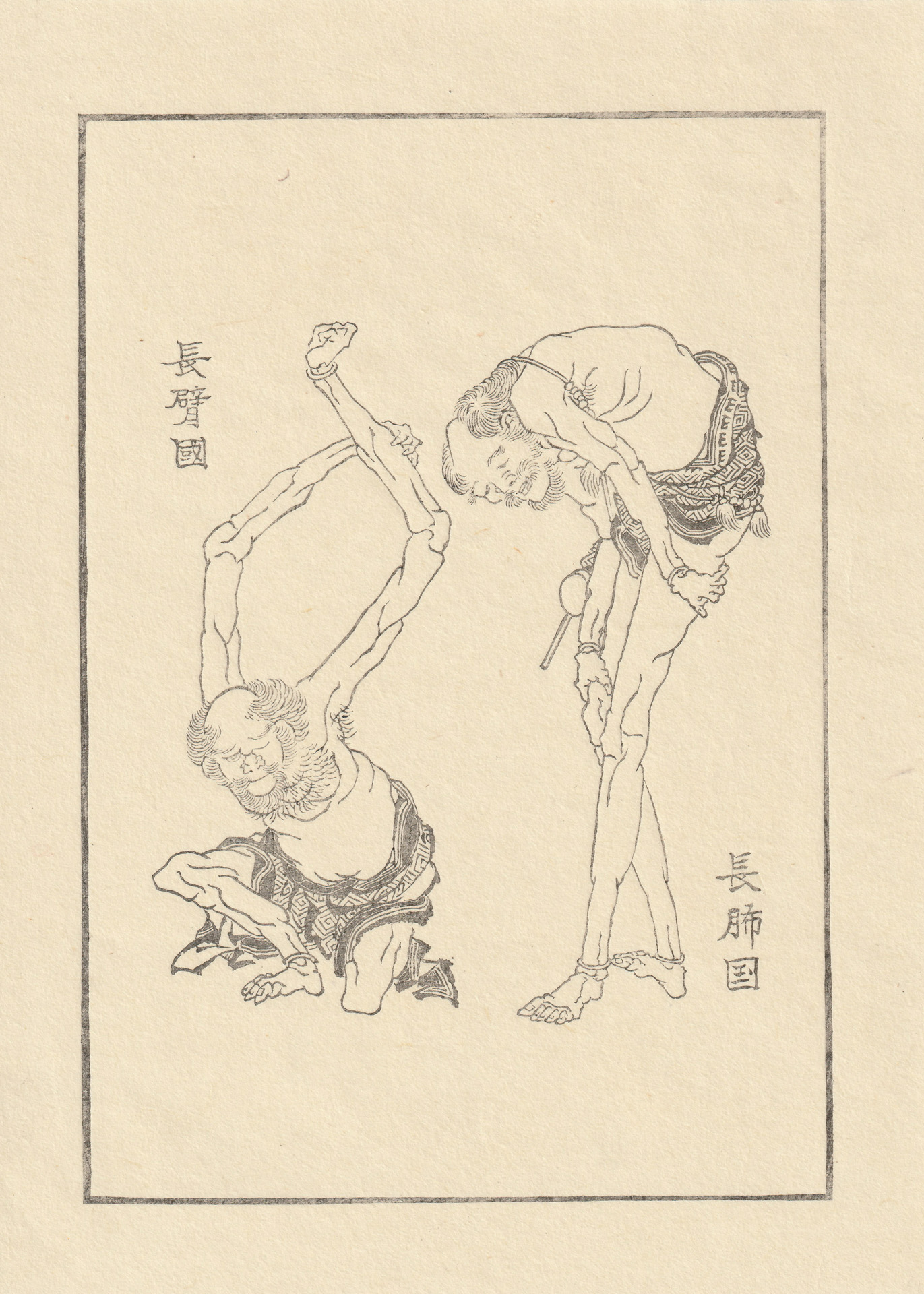
I didn't make a single finished artwork for a year after I began at Asaka-sensei's studio. I cut shapes, kanji, lines, and smaller, more delicate kanji. Thousands of these little 3mm circles within squares. I had a single small Hokusai reproduction, and then got straight back to the practice blocks. In my second year, I maybe made two artworks, all the while practising, practising, practising the fundamentals.

During my third year, I ventured over to Mokuhankan, the place I had initially reached out to before I had known about Asaka-sensei, and Dave Bull, the owner, was very impressed with my work and commissioned my first block set. After that, I gradually took on some smaller jobs for Asaka-sensei, helping him with his own projects, working on colour blocks and simpler blocks for his commissions, while also taking on a few more of my own commissions from Mokuhankan.
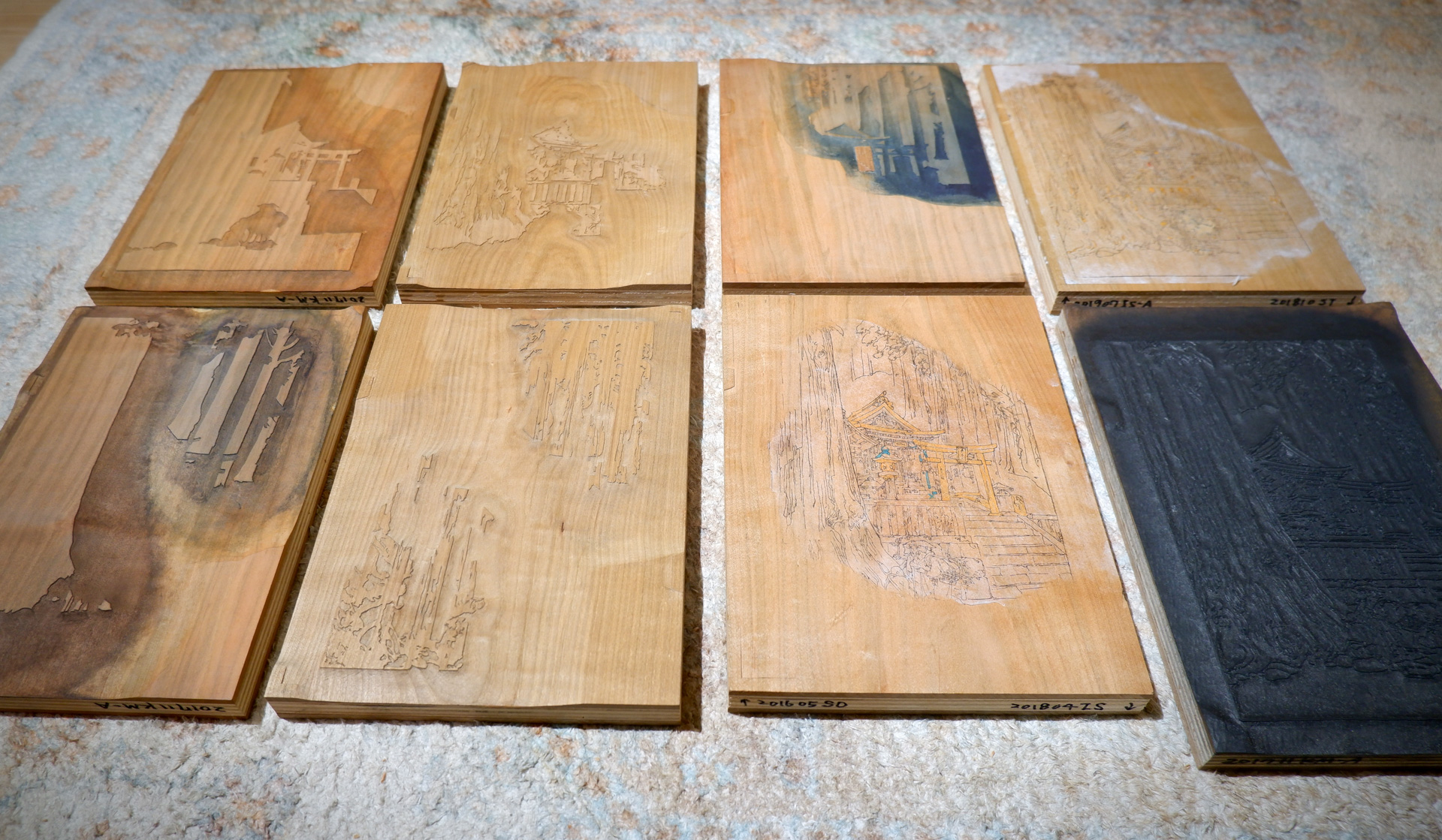
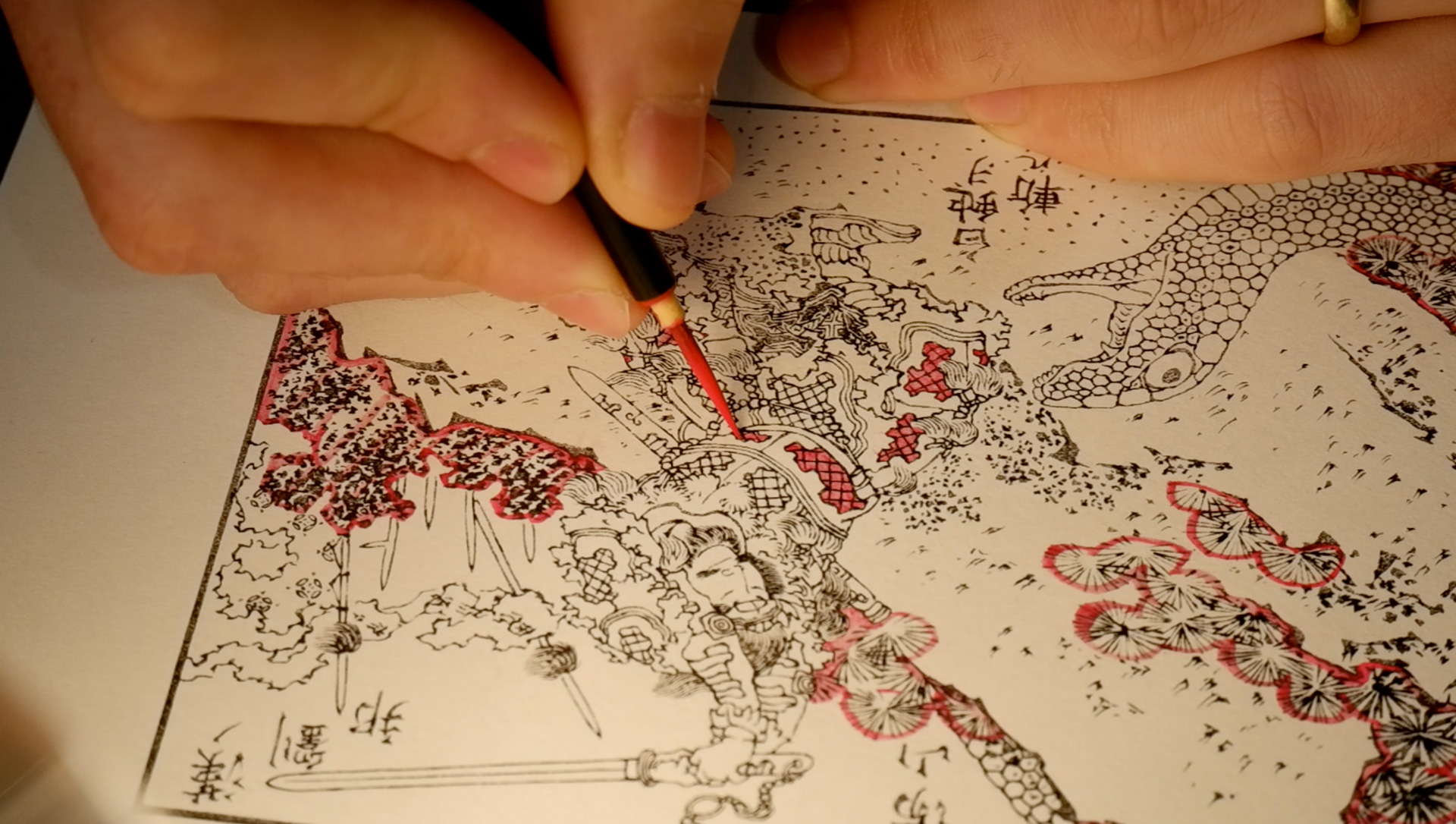
Gradually, the work got more complicated, and it began to look as if I could actually do this full time. In October 2020, I completed an extremely complicated work by Hiroshi Yoshida. This is a Shin-Hanga print, and Shin-Hanga prints are known for their complexity. The original work required 74 individual impressions to produce the finished print, and I was tasked with creating a block set that could recreate the artwork from nothing but the finished print. That's a truly non-trivial task, because you're essentially reverse-engineering the entire process from the final image.
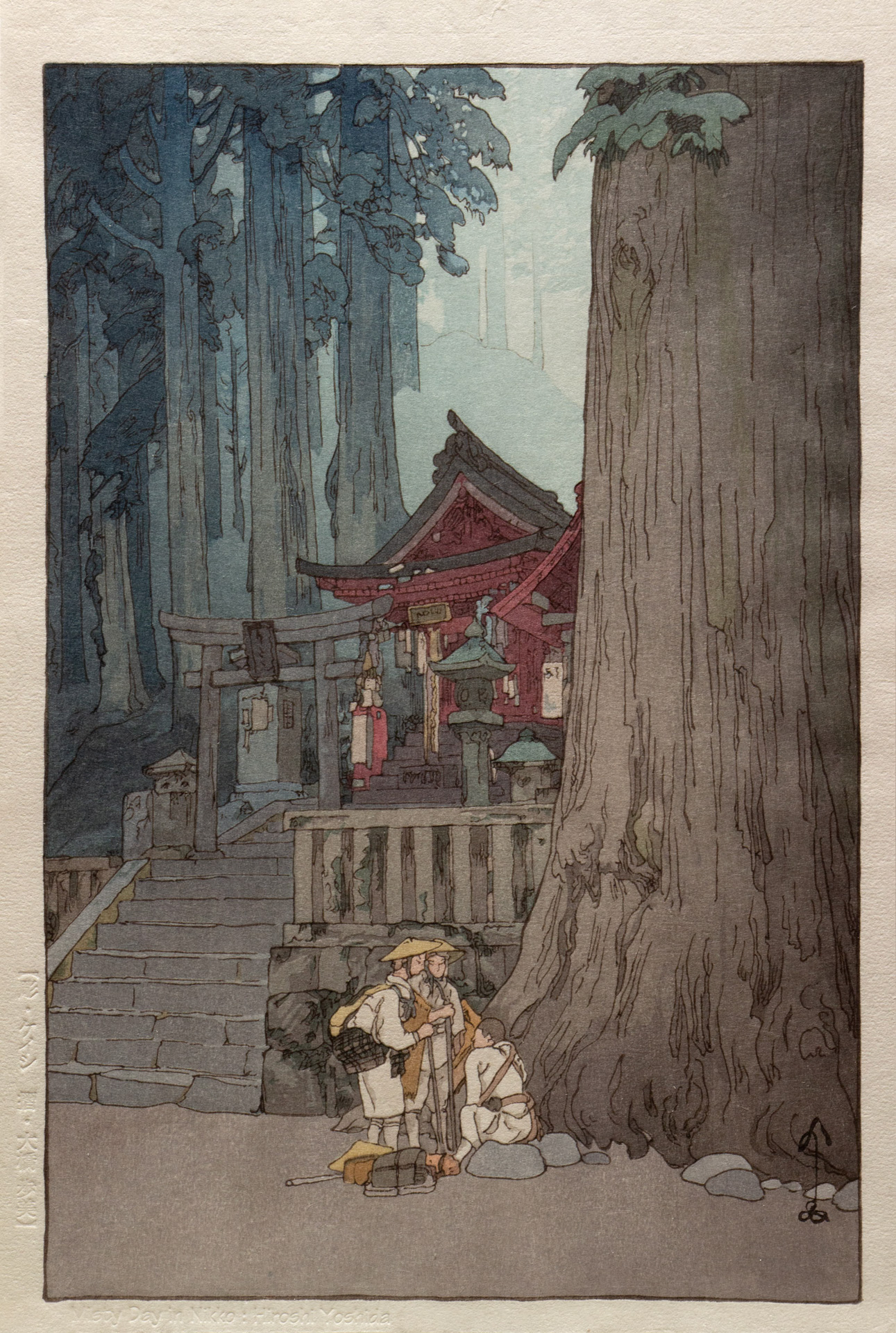
In all honesty, this was slightly above my pay grade at the time. I knew it, but I said I could do it, and then I had to prove it. I delivered. Off the back of this print, I was able to go full time.
At that time, Asaka-sensei couldn't fully guarantee me a stable income, so we came to an arrangement with Mokuhankan that I would work for them while continuing my apprenticeship with Asaka-sensei. This replaced my teaching jobs with full-time carving. I was finally supporting myself entirely through my carving skills.
I still had no free time, but I had sort of made it past the second big hurdle.
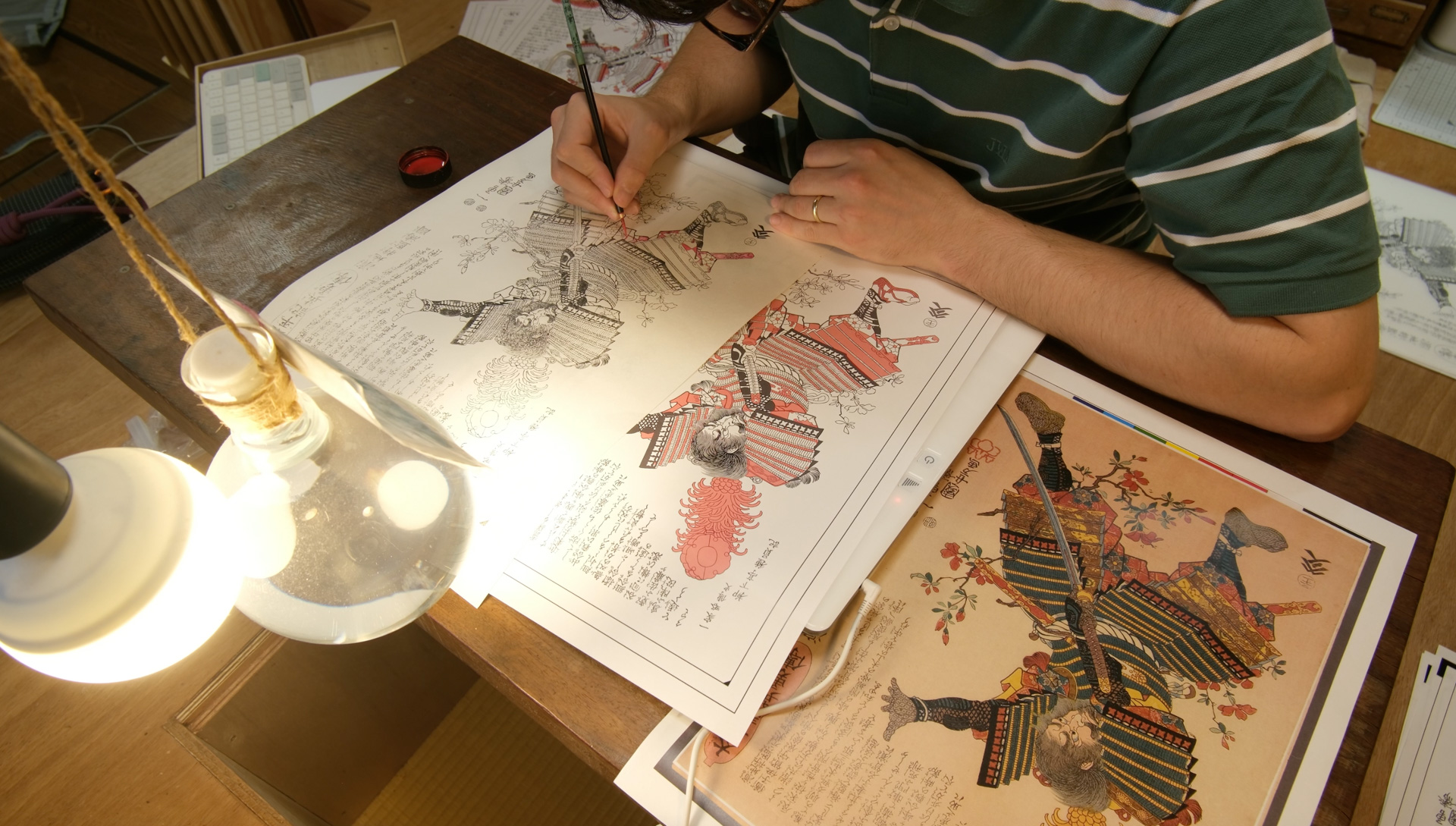
For the last seven years, my life has essentially revolved around carving. I work full time, 9–6, for Mokuhankan, and in my evenings and weekends I work for my sensei. Seven years into my apprenticeship, the relationship has begun to change again. Asaka-sensei is now ageing, and his eyes are not what they once were. In a surreal role reversal, I'm now lead carver at Takumi Hanga, and Asaka-sensei now frequently assists me in making colour blocks.
I'm approaching the end of my apprenticeship now, and I'm at the stage where I'm increasingly working for him rather than simply being trained by him. In a sense, this is my repayment for all the years of guidance and instruction he has given me. The apprentice who once spent his first year cleaning the windows and scrubbing the toilet is now doing professional work alongside the man who taught him.
What a Traditional Japanese Apprenticeship Really Teaches
For someone who has never experienced a traditional Japanese apprenticeship, how would you describe what that relationship and learning process is actually like, and what have you found most valuable about learning directly alongside a master over such a long period of time?
Each apprenticeship will have its own distinct flavour. There is, in my understanding, no one experience that is universal. The two biggest determining factors in any apprenticeship in Japan are the field or discipline and, more importantly, the master. The teacher's and apprentice's personal traits, likes and dislikes are two of the biggest variables. One of them is in your control, the other you only have control over one time, and that's right at the beginning. If you are interested in taking an apprenticeship, choose wisely.
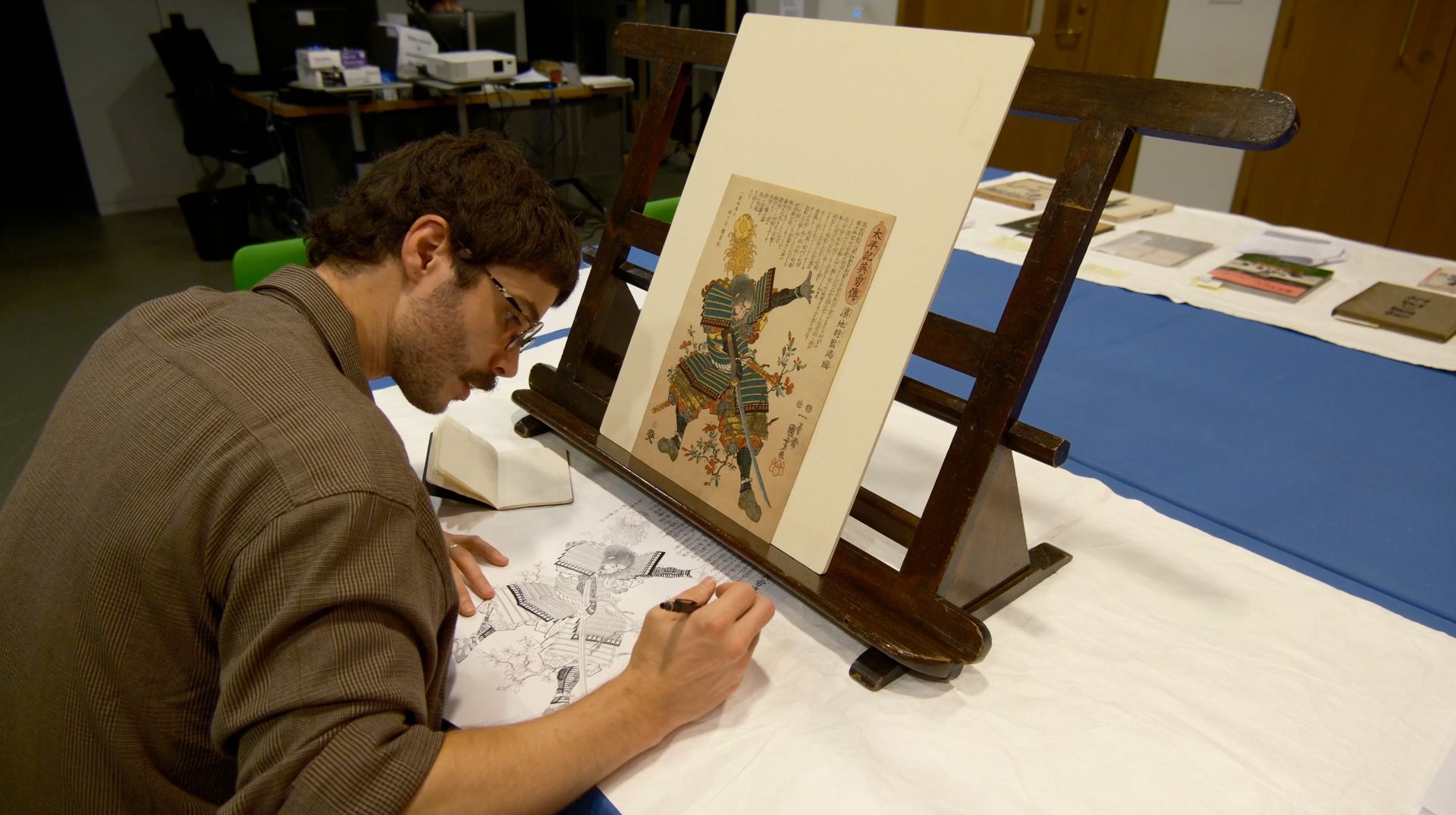
Thankfully, I did, and Asaka-sensei was fair and kind to me. Sure, I've been told off, and it was many years before my work received its first genuine compliment, but this is par for the course. You've got to keep showing up, listen, bite your tongue, and do the work.
Why Cleaning and Repetition Matter
Although each apprenticeship is going to be different, there are some common themes I've seen that are peculiar to a Japanese apprenticeship. You will, in your first year, be expected to clean. If you do an apprenticeship and you don't clean, then I think probably you are not doing a proper apprenticeship. It is a given in Japan that, in your first few years, your main responsibility is cleaning.
Why? Is this just some archaic, passed-down punishment? Pay your dues to earn our respect? I don't think so.
When you come in, you know nothing. Even if you think you know something and "I'm already pretty good", the internet is a wonderful thing and we can learn so much by ourselves. Intellectually, you can have read the book, but in the teacher's eyes, and hopefully in your own head, you are a total beginner.
To go in otherwise is, I think, the worst mistake you can make.
Okay, so you know nothing. So what is your value to the teacher? Simply put, right at the beginning you are an unskilled, most likely unpaid worker. You have no real value to the teacher yet. Your mission is to get good, and do it fast.
The teacher is most likely busy, so get out of his hair and let him work. You clean because that's the only productive thing you can do right now. So you watch and you learn all their habits, their routines, the way they work, every single thing you watch.
Practice is on you, on your own time. Your teacher may or may not give you guidance and direction, but don't be fooled: it's on you to get good.

Learning Through Observation
Eventually, something changes. You begin to know what they will do before they act. They begin to move, you know what they're reaching for, and you get it for them. You know what the next step is, and you are proactive.
At first, you're just cleaning because you can't do anything else. Then you're observing because that's how you learn. Eventually, you start anticipating what your teacher needs before they ask. You're no longer just watching how they work; you're learning how to work like them.
Congratulations. Your value is now more than your ability to sweep the floor.
Without saying a word, you're learning how someone at the top of their field actually works. The more you observe, the more you pick up small things that improve your own practice. You try to implement small movements they've made, or you ask them about something you've noticed, and they will reveal why they do that.
I think for a lot of traditional craftspeople in Japan, they are on the older side and have been doing things for so long that these small peculiarities you notice in their work seem so obvious or intuitive to them that, without you watching, they may never tell you. The depth of understanding you can gain by being an active partner in your apprenticeship is difficult to describe.
Developing the Eyes of a Master
When I took classes in my first year, before I formally became an apprentice, I was given instructions on how to carve, how to hold the knife correctly, and how deep to carve. The things I learnt during my formal apprenticeship were much more subtle. They changed the way my brain worked.
I've always been a detail-oriented person, but I could be slapdash towards the end. Knowing that at any point my teacher could look over and see me doing something in a lazy or half-assed way, and that eventually I'd have to hand my block over and he would cover it with red pen wherever I'd done something wrong, kept me true and honest and made me a much better craftsperson.
I now have his voice in my head. When I'm close to finishing, I know any area where he would have mark red on my blocks, and I fix it. nowadays my blocks free of the indignetees of the red pen.
By working closely with a master, you gain not only their skills and develop your own, but more importantly, you gain their eyes. You can't improve what you can't see, and I think that's one of the most valuable things Asaka-sensei gave me.
What Future Apprentices Should Know Before Starting
A lot of people outside Japan may admire traditional crafts but assume that pursuing one as a real career is out of reach. For someone overseas who genuinely wants to follow a path similar to yours, what would you want them to know about how to begin, how to approach craftspeople, and what kind of commitment is actually required?
I feel like I sort of already answered this in the previous segments, but I would tell them to check their expectations at the door. Even reading this, a first-hand account, and those of other people who have done similar apprenticeships in Japan, you can get the feeling that you know what it's going to be like. But each person is different and comes with their own life experiences, baggage, and quirks. Just try to be humble and remind yourself why you wanted to do this in the first place. You're here to learn.
And don't expect your teacher to make you good. They can show you the way, correct you, and give you the standards to aim for, but your develop is on you
That being said, I don't want to scare anybody off either. Perhaps all my talk has sounded a bit severe. Apprenticeships can have a lot of joy, and you can develop a wonderful relationship with your master. I have a profound respect for Asaka-sensei, and I think I have earned his respect as well.
Money will probably be tight in the beginning. The commitment will be years rather than months for any craft, and in the beginning you will probably see quick improvement in your own work and think, "I'm ready for the big time." Your teacher will probably not agree. Years later, you will look back at that same work and see that they were right, because you have developed the eyes of your teacher.
Progress will slow as you reach higher, but you can never settle. There are always improvements to be made, and having the mindset and continuing desire to improve will eventually see you beyond your teacher and allow you to contribute yourself to the vast pool of knowledge that, in many cases, crafts have built up over hundreds of years, through apprentices learning from masters and pushing the standards forward.
Look at old work and vow to do better. That's what it takes to embody craftsmanship.
Making Traditional Craft Apprenticeships More Sustainable
Looking toward the future, is there anything you think Japan could do to help more people see traditional crafts as a viable career and ensure these skills continue into the next generation?
Communication is clearly important: videos, books, articles. Each craft needs more than a short explanation of how cool it is. It needs to be shown enthusiastically by people who are knowledgeable. Many craftspeople may be the last in their fields, struggling to prop up an entire tradition on their shoulders while doing all the work. This type of communication is a skill in and of itself, and one that most people have not practised. More than that, I can say from my own experience that most simply don't have the time.
I'm trying to make videos myself, but when I have multiple projects going at any one time, there simply aren't enough hours in the day.
The biggest issue is that, to do the kind of thing I have done, you need to be obsessed. It's exhausting, and it is more than is reasonable to expect of anybody.
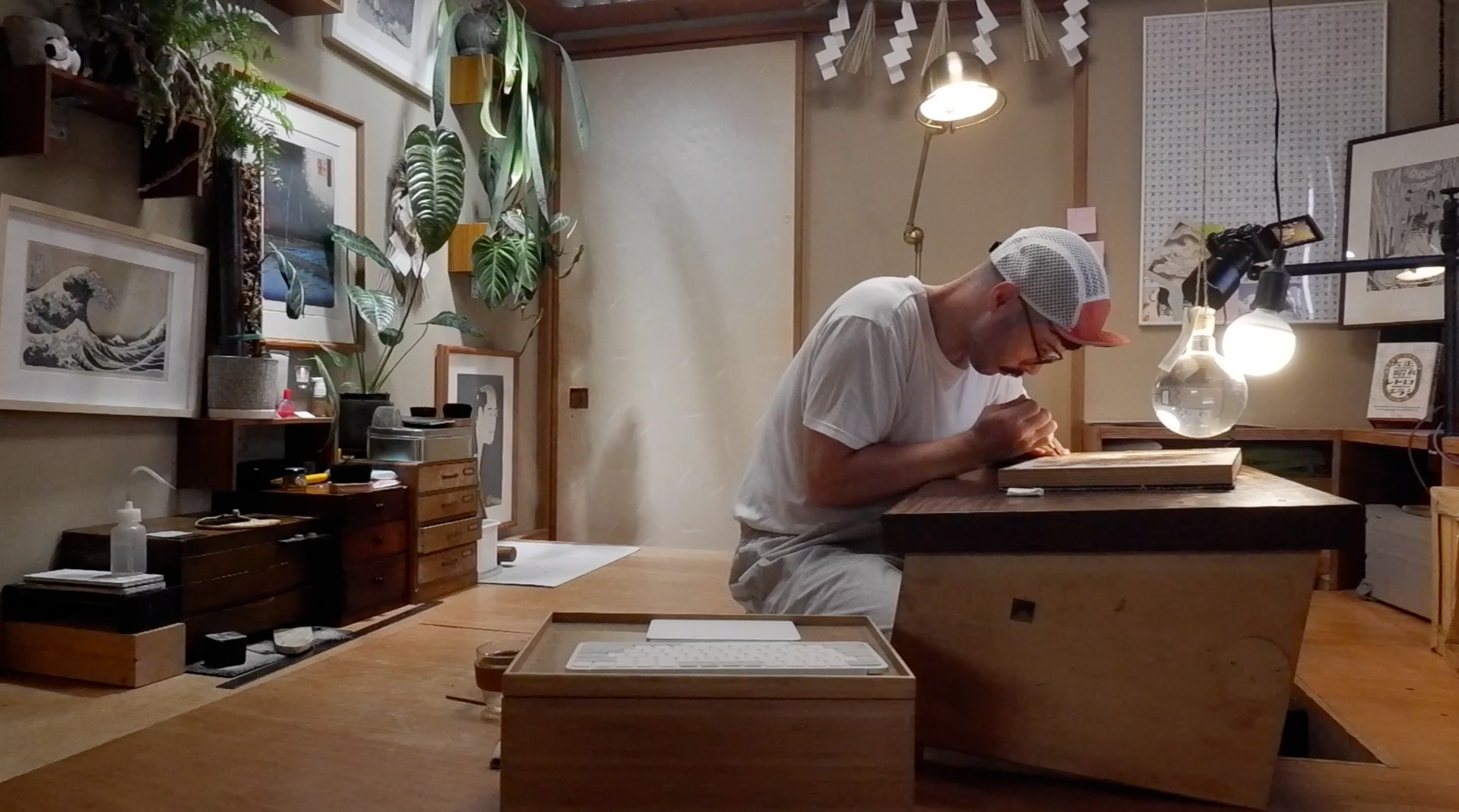
In the past, this was offset by people starting young and their masters essentially bringing them under their wing. They often provided a room in the master's house or studio, two meals a day, and perhaps a small stipend. Nowadays, this type of arrangement is simply not feasible, which leaves us with the old system's demands without the support that once came with it.
I think a programme that provided craftspeople with housing during formal apprenticeships for the first few years of their studies would go a long way towards reviving many crafts. I think there are many subsidy programmes out there, but they seem ineffective, and a programme like this would not only encourage younger people to attempt apprenticeships in traditional crafts, but would put the money into the most difficult area to balance.
Sure, apprentices would still need to get a part-time job delivering udon, as Asaka-sensei did during his apprenticeship, but this is manageable if they have stable, secure housing while they are in the very earliest stages of their apprenticeships and unable to earn from their skills yet.
Assist with the bottom of Maslow's pyramid and watch crafts thrive.
The life of a craftsperson is truly fulfilling, but the initial cost in self-development is very steep and unattractive for most young Japanese people. Security might go a long way towards making that initial sacrifice possible.
I think there are things that could and should be improved. When it's my turn to take on an apprentice, I hope I can preserve the things that worked for me while finding ways to solve some of the difficulties that apprentices face today.
If you’d like to follow Taran’s progress, see more of his work, or support what he’s building with Ginko Hanga, you can find him here:
Website: https://www.ginkohanga.com/
Patreon: https://www.patreon.com/ginko_hanga
Instagram: https://www.instagram.com/ginko_hanga/
Twitch: https://www.twitch.tv/ginko_hanga
YouTube: https://m.youtube.com/@GinkoHanga
Want to discuss this article? Check out the "Japan Handmade Forum" on Discord to join the conversation!
Know someone we should interview next? Send us a recommendation at hello@bottlecap.jp
This page may contain affiliate links, and Bottlecap may earn a commission at no extra cost to you.