Moving to Japan can offer a new pace of life, greater affordability, and opportunities to build connections beyond the country’s largest cities. However, creating a stable life here requires realistic planning around language, work, visas, finances, and the communities newcomers hope to join.
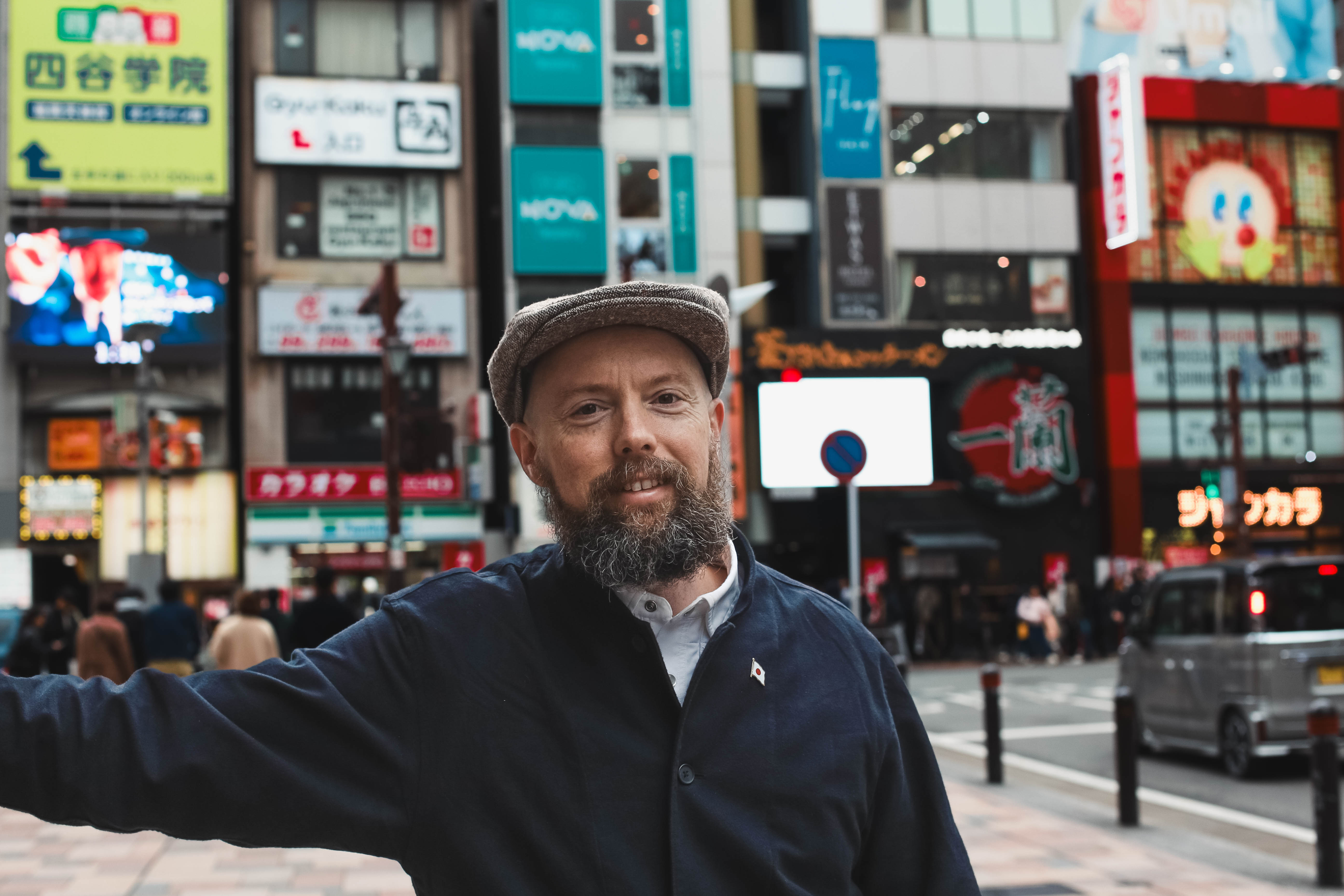
Nick Woolsey, founder of Japan Remotely, helps people explore practical routes to living and working in Japan. In this interview, he discusses the qualities that help newcomers thrive, the realities of starting a business, pathways into rural communities and traditional crafts, and why relocating successfully requires a long-term perspective.
What Helps Newcomers Thrive in Japan?
After living in Japan for a decade and now helping others relocate, what qualities do you see in people who end up genuinely thriving in Japan, whether they choose a city, a mid-sized town, or the countryside?
The people who move to Japan and do well are the people who really love Japan. Sometimes people ask questions like “Do I really need to learn Japanese?” Yes! And that’s just the beginning. It’s not easy. But some people, like myself, find that kind of challenge fun.
People who do well here thrive in challenge. They are self-motivated people, lifelong learners, and are flexible. In Japan, there will be people who don’t think like you. Can you deal with disagreements and ambiguity? Flexibility is key.
How Moving to Japan Can Change Your Lifestyle
Many people imagine Japan as a place where they can “reset” their pace of life. From what you’ve seen, what kinds of lifestyle changes become possible in Japan that are harder to achieve in the United States or Europe?
Reset is definitely possible. It’s kind of hard to avoid it, actually. Everything around you is different. One of the most empowering lifestyle changes, especially for people from the US and Australia, is the cost of living. In Japan, it is easier access a decent quality of life. That’s freeing. And for people who can earn international rates and have a home base in Japan, such as so many of the clients we work with for lifestyle and business planning, their earnings are multiplied by the exchange rate. That’s not just a bonus. It can really change your whole life.

Building Financial Stability in Japan
You’ve worked with clients who bring remote income, others who want to launch a small business, and others who are building FIRE (Financial Independence, Retire Early) plans. What are some realistic paths you’ve seen that allow newcomers to build stability and peace of mind here?
Until October 2025, I routinely suggested starting a small business as a sort of “Barista FIRE” way to live slowly in Japan. At the time, you could get a Business Manager Visa for the price of selling your car.
Now it’s more like the price of selling your house. It’s a big deal for most people.
I think the people who should approach this path are those who already have traction with an idea and understand the economics of their business. Maybe they’re taking their accounting skills from their career and going solo. Or maybe they’ve been selling woodworking at farmer’s markets every summer since 2008. They’ve got 90% of the business model ready to go and just need to transport it to Japan.
The increased barrier to entry for the business manager visa has also inspired more collaboration with local Japanese businesses. Why reinvent the wheel when you could leverage a business that already exists? That way, you can avoid the business manager visa and target a work visa instead. The key is that you need to bring something to the table to get them interested. If you have remote work or remote clients, that can help! If you can invest in their business, that’s good too. We have partners standing by who are interested in supporting people like that.
Finding the Right City or Rural Community
Japan’s smaller cities and rural areas often get overshadowed by Tokyo, yet you’ve highlighted places where daily life can be comfortable, affordable, and community-oriented. What kinds of locations do you think are hidden gems for newcomers, and what makes them work?
Whether a small town is open and inclusive to newcomers really depends, area-by-area. And because of that world-famous Japanese hospitality, sometimes it's hard to tell the true long-term compatibility of a foreigner with small town culture. That being said, there are many areas that have local immigration goals or a track record of being easy to move to. You really need to do your research. Nothing beats going there in person and spending time with people. If possible, track down foreigners to hear their experiences.
A great resource for the realities of rural living is Assistant Language Teachers, like those on the JET Program. They get placed in all corners of the country in little towns you would have never heard of. I was on JET and placed in a very tiny mountain town in Tottori Prefecture. One hard lesson was that the pace of decision making in rural Japan is very slow. They make plans that last decades and just because you arrive in their town with new ideas doesn’t mean they’re going to turn on a dime. Start small. Start with one local person who’s willing to get to know you.
By the way, we’ve compiled a huge list of recommended small cities and rural areas over on Japan Remotely Academy.
Why Families Choose to Build a Life in Japan
Some of the people you work with are raising young families or planning to. From a practical standpoint, what are some of the everyday supports in Japan that families genuinely feel relieved to have?
This is not a “support” exactly, but one of the biggest reliefs parents find here is safety for their kids. I come from a country where school shootings occur on a regular basis and it’s normalized to have security guards, surveillance, and shooter drills. In Japan, there aren’t many guns. There is still some crime, sure, but kids walk to school and play outside without that kind of anxiety. It’s priceless. Then, in addition to that, there are subsidies… basically free money for becoming a parent in a lot of municipalities here. Subsidized IVF, affordable school lunch, decent public school education, affordable university, and so much more.
Preparing for a Long-Term Visa and Business
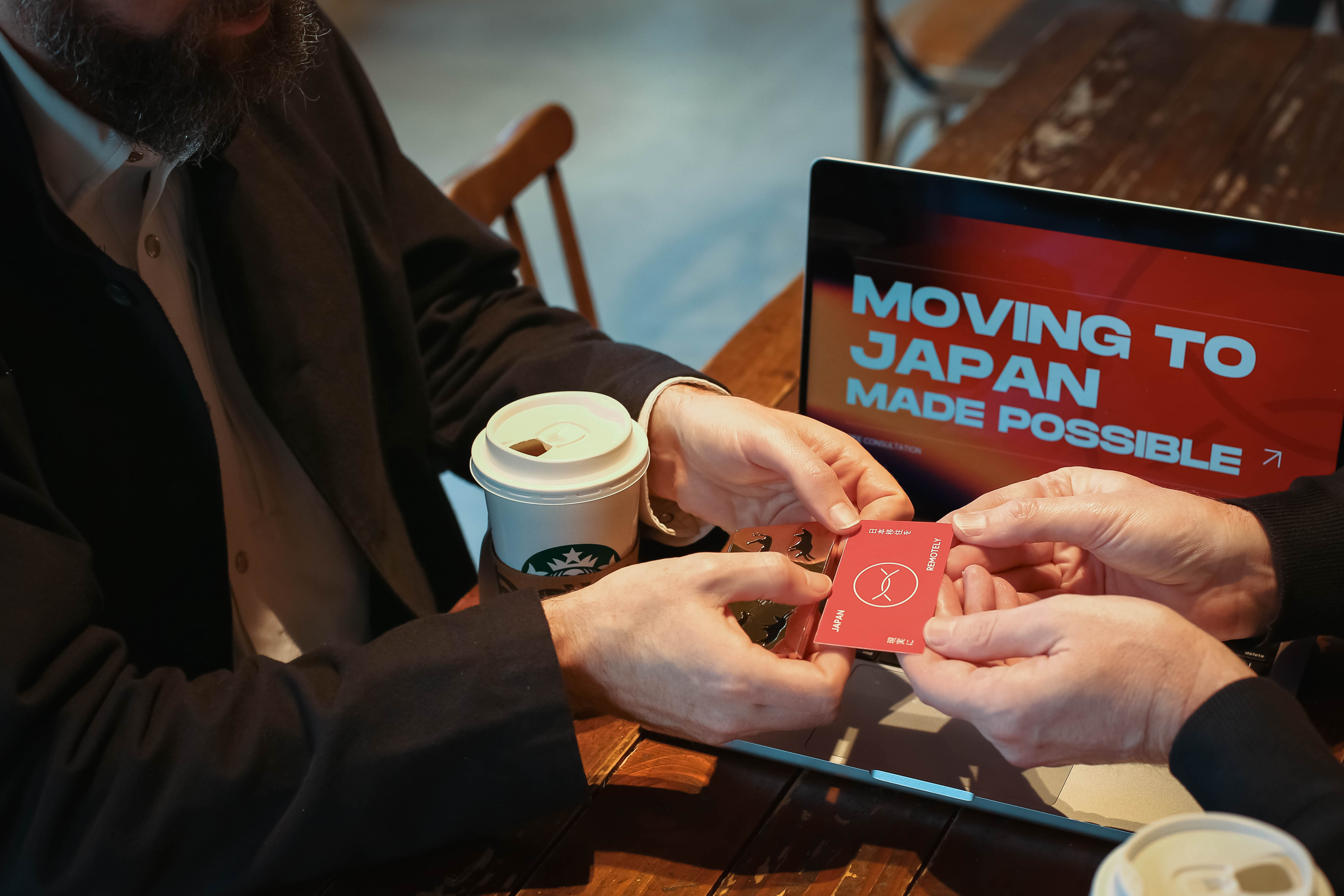
For clients who want a long-term visa, you’ve helped them navigate realistic options like Startup Visas or setting up a small business. What mindset and preparation give people the smoothest experience building a legal life here?
Actually, one of the most helpful mindsets is to expect that it won’t be a smooth experience, hah! Road bumps are a common experience, and people who have lived here before know to expect them. Everything takes more effort and time than you think it will take.
However, things like finding an office, hiring an employee, renting an apartment, opening a bank account, are only minor logistical issues in comparison with the true barrier to setting up a small business: making money.
Your business needs to make money. Ideally, over time, your business will make more money than you spend. It is very hard to get people you don’t know to give you any money. Then you have to do something that will make them happy, even though they have less money than before.
“How will I make money?” That is the core question you need to answer for immigration.
For those who can afford it, having a good bilingual lawyer, accountant and virtual assistant will make your life much easier. Get these people lined up as soon as possible.
Pathways into Japanese Crafts and Trades
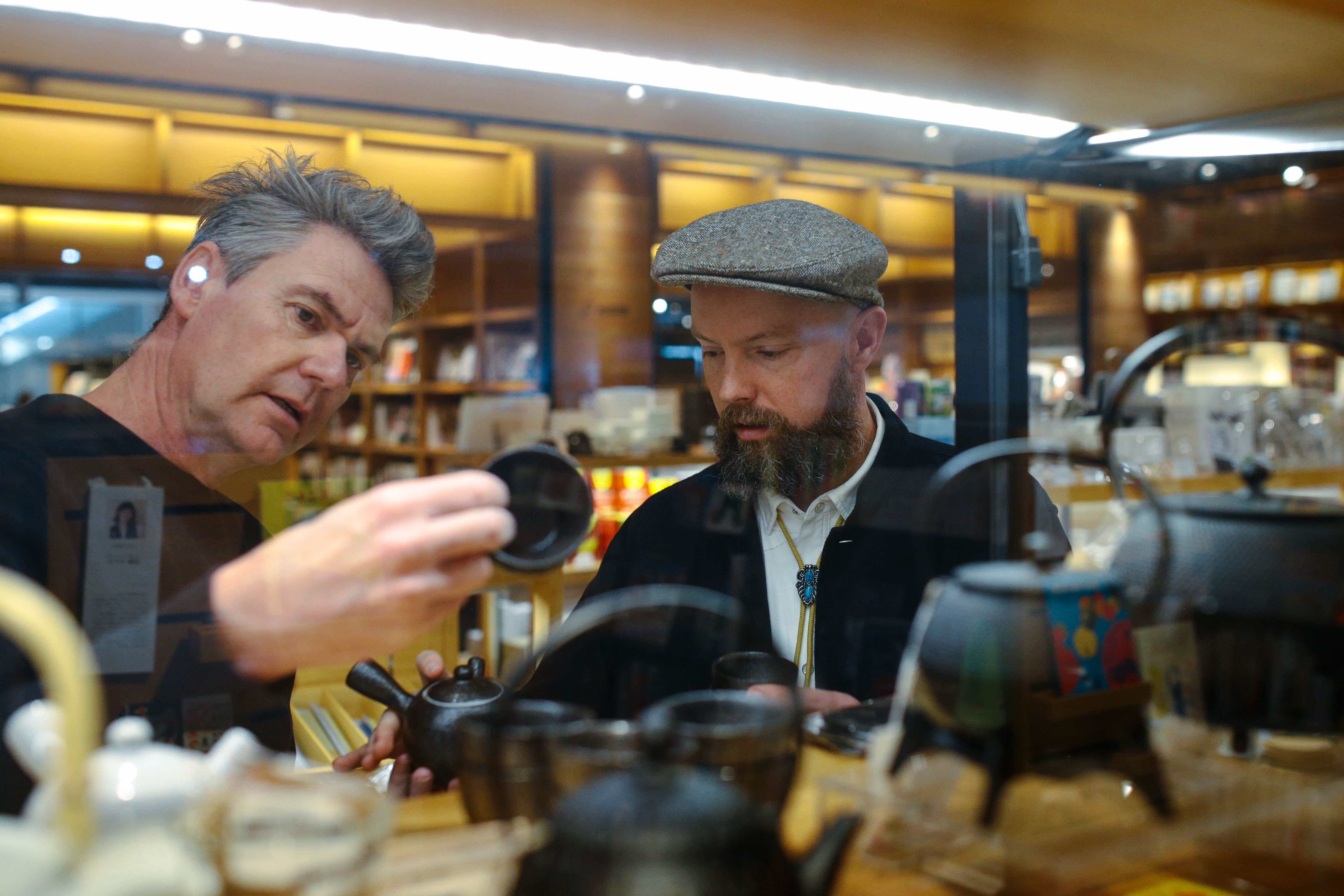
A growing number of people aren’t just drawn to Japan’s lifestyle, but to its crafts and trades — pottery, woodworking, metalwork, farming, restoration, even rural entrepreneurship. For someone who dreams of coming to Japan to learn a hands-on skill, what practical pathways have you seen work well, and how do you help people align their passion with visa options, location choices, and real opportunities on the ground?
With my business, Japan Remotely, we help people figure out the best visa track for their lifestyle goals. To be honest, it sounds like a straightforward question. But there are actually many different ways to plan a residency strategy that involves craft or trade experience. You could find short-term residency programs and use a tourist visa, be an employee on a work visa, study through a vocational program on a student visa, pursue some sort of main activity and do trades as an evening/weekend hobby, or there are also artist visas and entrepreneurial tracks. Perhaps one of the main hurdles is that those traditional trade opportunities will require you to speak Japanese. In that case, the easiest way to get “in the door” and start making connections is to start with Japanese language school on a student visa. Think long-term.
Why Japan Still Feels Worth Building a Future In
You’ve said you hope to retire in Japan yourself someday. When you think about your own future here (the community, the pace, the environment) what about Japan still feels worth building toward, even after seeing both sides of the world?
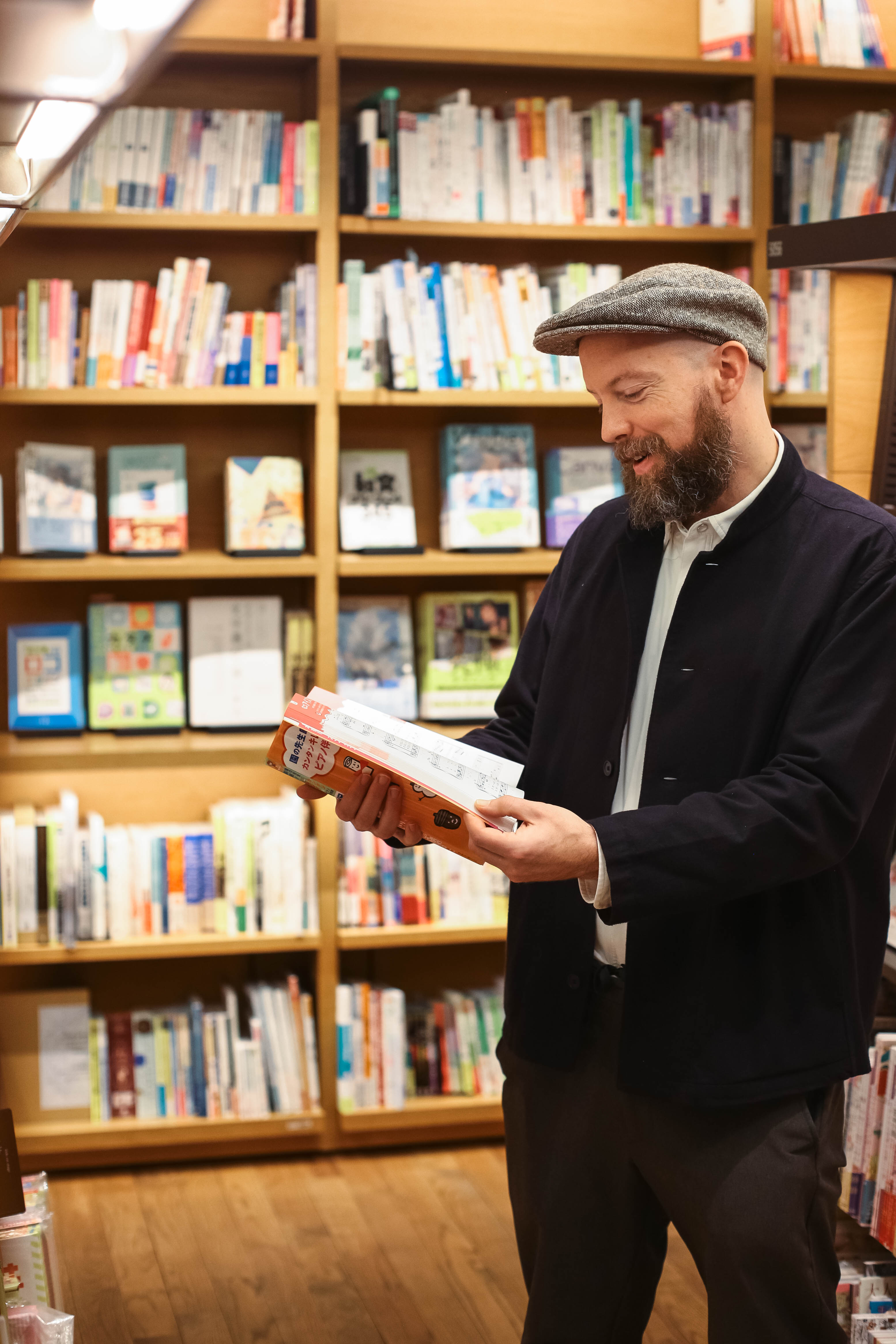
When I did that interview last year with Unpacking Japan, I thought my own move back to Japan was years away. Turns out it was just 1 year away! I’m living in Fukuoka, working full-time on Japan Remotely with my wife, Sardana. It’s busy, but it doesn’t feel like work. I just talk to interesting people all day who like Japan. It’s awesome! I feel like this could be my “semi-retirement,” meaning that I just do this as long as I live. We shall see!
This seems like excellent timing to take a break from the US, but I’ll probably end up going back and forth my whole life. The thing that I like most about Japan is that there is so much to explore, yet it is all so accessible and safe. As a resident, it also feels great to be a part of such a robust social safety net. Japan’s taxes are high, but you get so much in return.
I’m also so glad that Bottlecap has built a method to help visitors engage in traditional arts and crafts! Doing a hands-on project together is so much better to make connections with than just looking around. I love visiting rural Japan because people there just love sharing their culture when given the chance. I’m sure they’ll have lots more opportunities now thanks to your service!
More From Nick:
Schedule a free consultation with Nick!
How to Move to Japan: A Comprehensive (& Realistic!) Guide
Want to discuss this article? Check out the "Japan Handmade Forum" on Discord to join the conversation!
Know someone we should interview next? Send us a recommendation at hello@bottlecap.jp
This page may contain affiliate links, and Bottlecap may earn a commission at no extra cost to you.