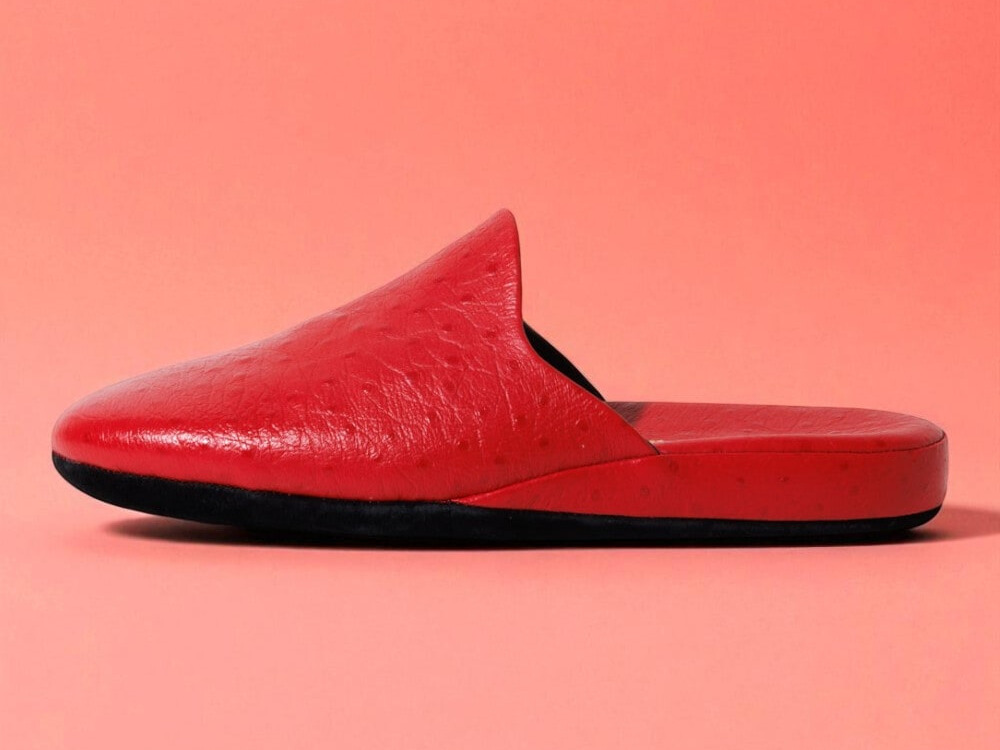
In a small workshop in Adachi, Tokyo, SANAX applies decades of shoemaking experience to an object often taken for granted: the indoor slipper. Using carefully selected leather, hand-guided stitching, shaping, skiving, and polishing, its craftspeople create room shoes designed to offer the comfort of slippers with the structure and refinement of traditional footwear.
In this workshop visit, we meet veteran shoemakers Naomichi Takahashi and Kokichi Sasaki, explore SANAX’s connection to the Imperial Household and international fashion, and see how inherited tools and practiced hands keep this distinctive form of Japanese leathercraft alive.
Inside SANAX’s Tokyo Slipper Workshop
In a modest workshop in Adachi, Tokyo, SANAX makes something most people would never associate with luxury: slippers. Soft, low profile, leather room shoes used in homes, offices, ryokan, and even by members of the Imperial Household. They have also produced slippers for clients around the world, including Christian Dior. Yet once you try a pair, it becomes clear why SANAX stands out. These are not basic house shoes. They reflect decades of technique, discipline, and a philosophy of creating “complete objects” with intention.
We visited the workshop in the afternoon. The team worked quietly, each person focused on a specific part of the process. There were no assembly lines or rushing. The atmosphere felt closer to a small shoemaker’s atelier. Practical, skilled, and steady.
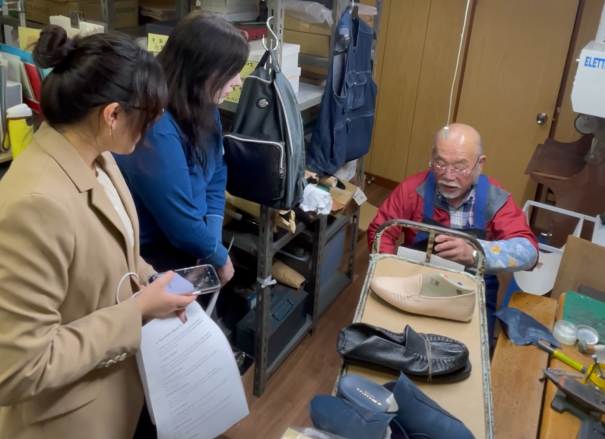
Seven Decades of Japanese Shoemaking Experience
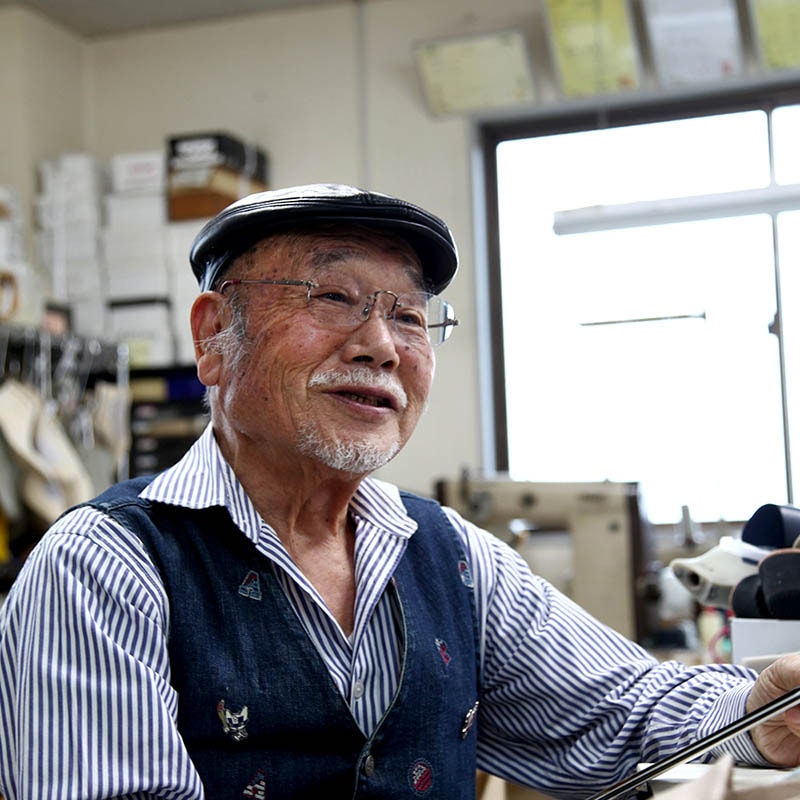
At the center of SANAX is Naomichi Takahashi, who has been making shoes and slippers for more than seventy years. He began training at fifteen, later traveled to Genova in his thirties to study shoemaking, and built a career blending Japanese and Italian techniques. Now eighty-six, he still works every day alongside Kokichi Sasaki, his colleague of nearly seven decades.
Sasaki-san, born in Iwate Prefecture in 1939, trained in Tokyo and later became independent. His career has included planning, pattern making, and exposure to both Japanese and international design approaches. Together, he and Takahashi-sensei represent an almost continuous lineage of postwar Japanese leathercraft.
Designing Slippers for the Imperial Household
During our visit, Takahashi-sensei shared a story from the Showa era. The Imperial Household once needed slipper-like shoe covers for foreign dignitaries visiting the palace. Many arrived in tall Western boots, including cowboy boots which were popular at the time. Removing them was impractical, but wearing them on Tatami was impossible. Takahashi-sensei was invited to help design a respectful solution. The story offered a glimpse into how even a simple product can play a role in moments of national importance.
A Philosophy of Comfort, Support, and Omotenashi
SANAX describes their approach as making “モノ with completeness”. Since they began as shoemakers, they treat slippers as true footwear. A slipper must support the foot, relieve pressure, hold gently, and move quietly. It seems simple, but the craft behind it is closer to shoemaking than mass-produced house shoes.
When we asked where the name “SANAX” came from, answers varied. One person said someone simply liked the sound. Another recalled that it might come from a South African language related to comfort, with the “X” symbolizing infinity. Whether accurate or not, the mix of stories reflected the workshop’s organic, human development.
This philosophy is visible in the product itself. The design is clean and balanced. The shape follows the foot. And the overall experience reflects omotenashi, the Japanese concept of quiet, thoughtful hospitality. For readers outside Japan, omotenashi means anticipating a guest’s needs and offering comfort without drawing attention to the gesture. SANAX brings that idea into footwear.
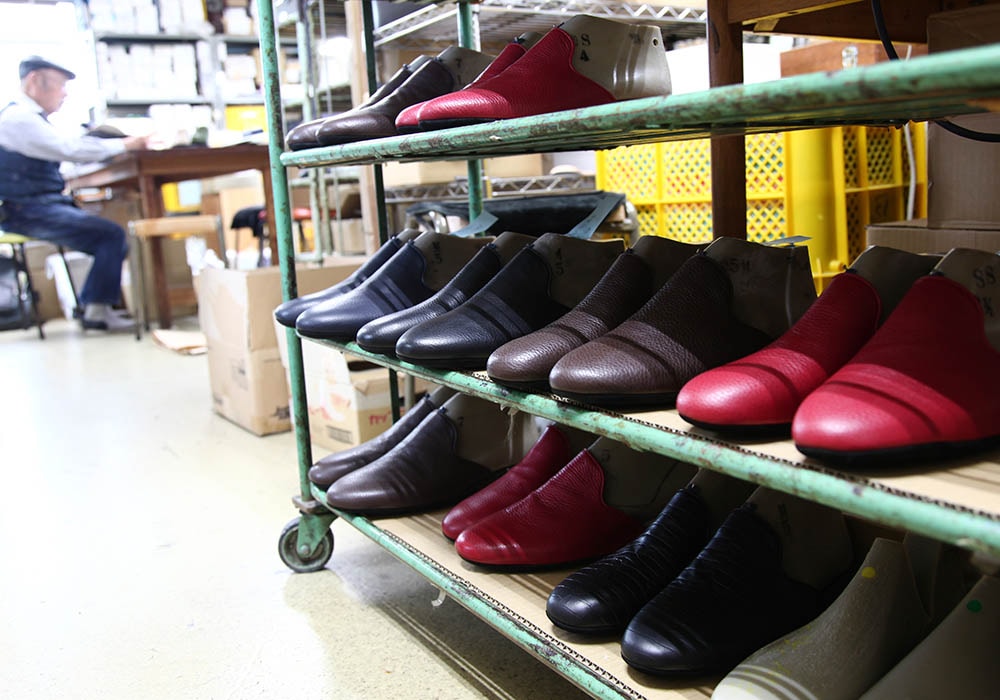
What Makes SANAX Slippers Different?
We have worn slippers in nearly every setting across Japan: ryokans, restaurants, guesthouses, onsen locker rooms, and even restrooms. After years of using standard Japanese indoor slippers, we thought we knew what to expect. But slipping into a pair from SANAX changed our understanding immediately.
These were different. The fit was more sculpted. The heel held securely without slipping. The arch felt supported instead of flat. The leather felt both soft and structured. They blended the ease of house shoes with the refinement of leather footwear. I left feeling like I had discovered the Rolex of slippers. Not because of branding, but because the craftsmanship far exceeds what most people imagine when they think of slippers.
Visit SANAX in Tokyo! Make a reservation at https://go.bottlecap.jp/sanax
How SANAX Makes Leather Indoor Slippers
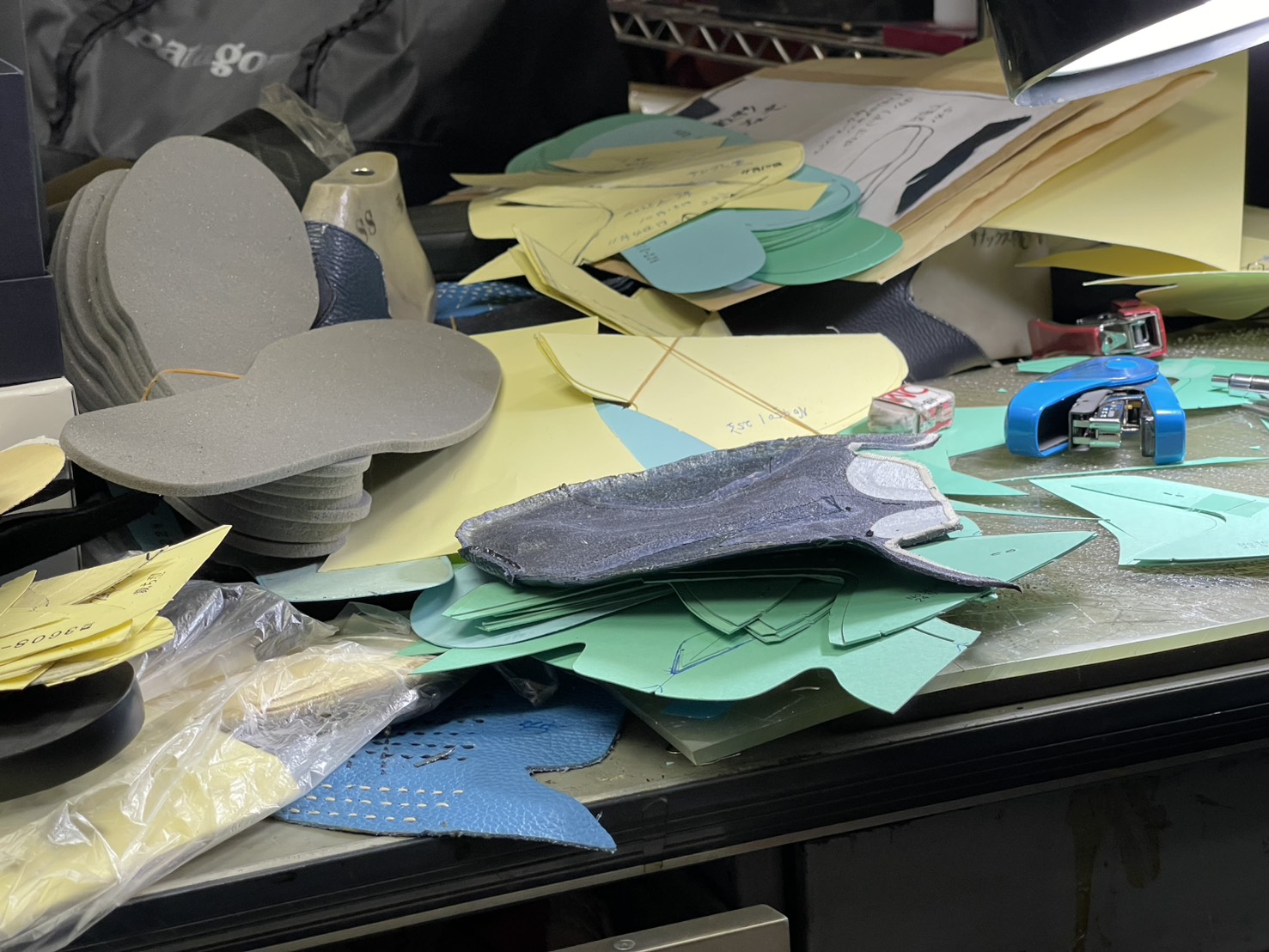
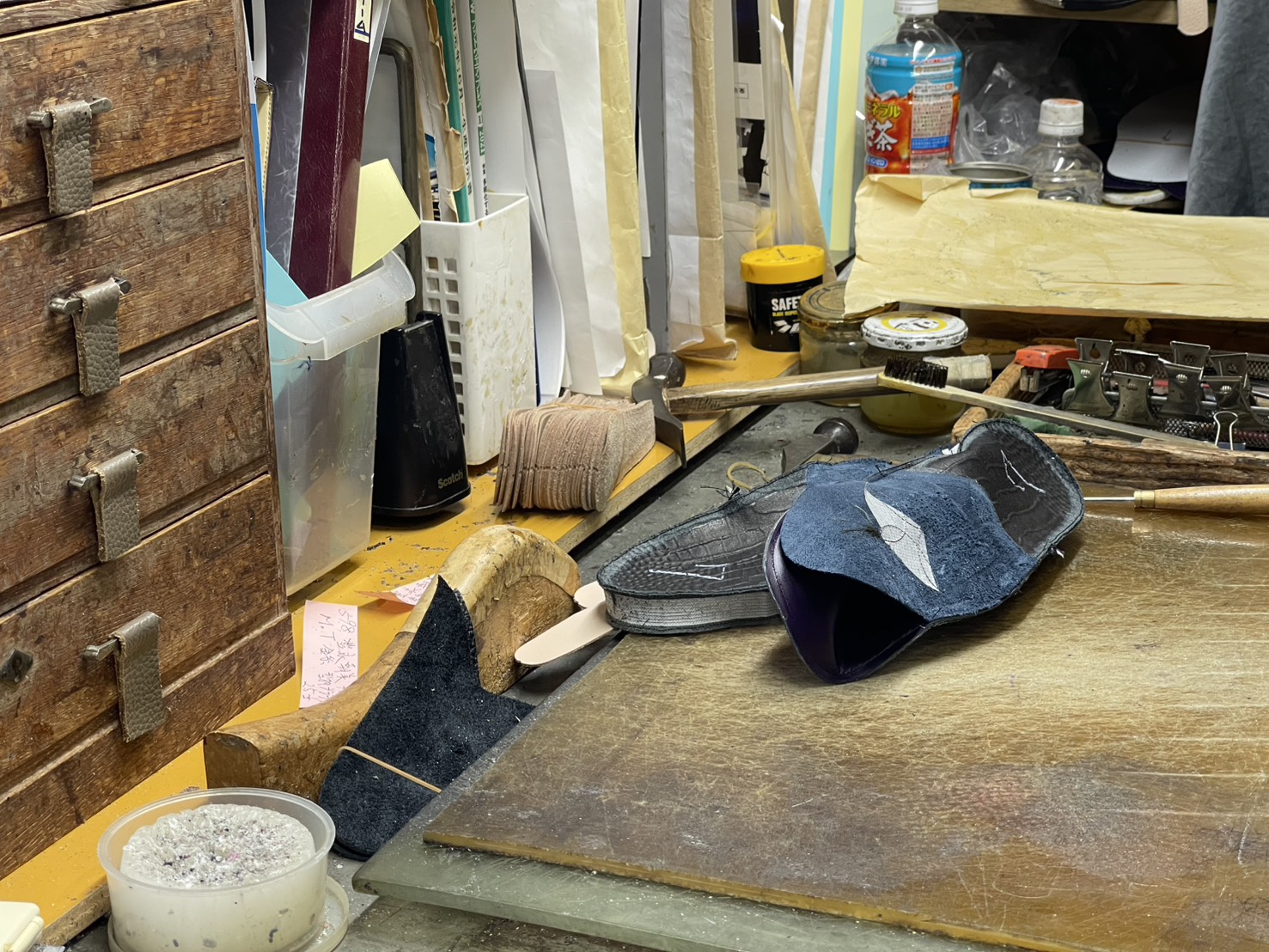
Inside the workshop, production flows quietly from one pair of hands to the next. Leather is selected carefully from Japanese cowhide, horsehide, or pigskin. Each hide is checked for softness and consistency. Patterns are cut by hand, with adjustments made according to the natural shape of the material.
One of the most memorable moments of our visit was watching (and trying) the skiving process. This is where edges are thinned so seams lie flat. SANAX uses a skiving machine called a Nippy, named after “Nippon”. Their Nippy is about a hundred years old, and they have been using it for roughly fifty. Despite its age, it produces clean, precise edges. The craftsmen guided us as we tried it ourselves.
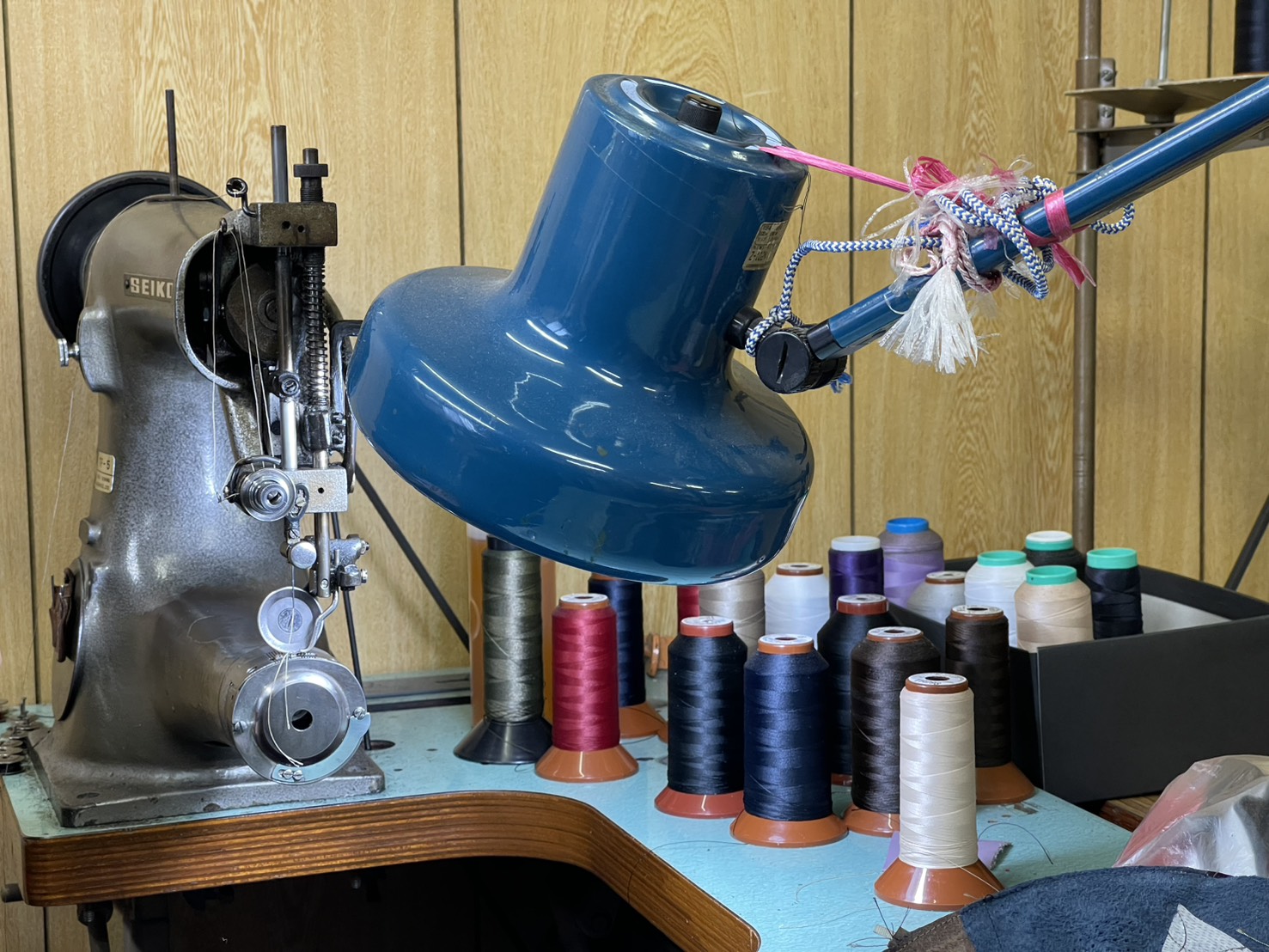
In another corner of the workshop are machines that came from Italy. Takahashi-sensei acquired them during his time in Genova, including several he accepted in lieu of payment for a Dior-related project that never became a full contract. Shipping them to Japan required negotiation and persistence. Those machines still operate today, maintained with the same care as everything else in the workshop.
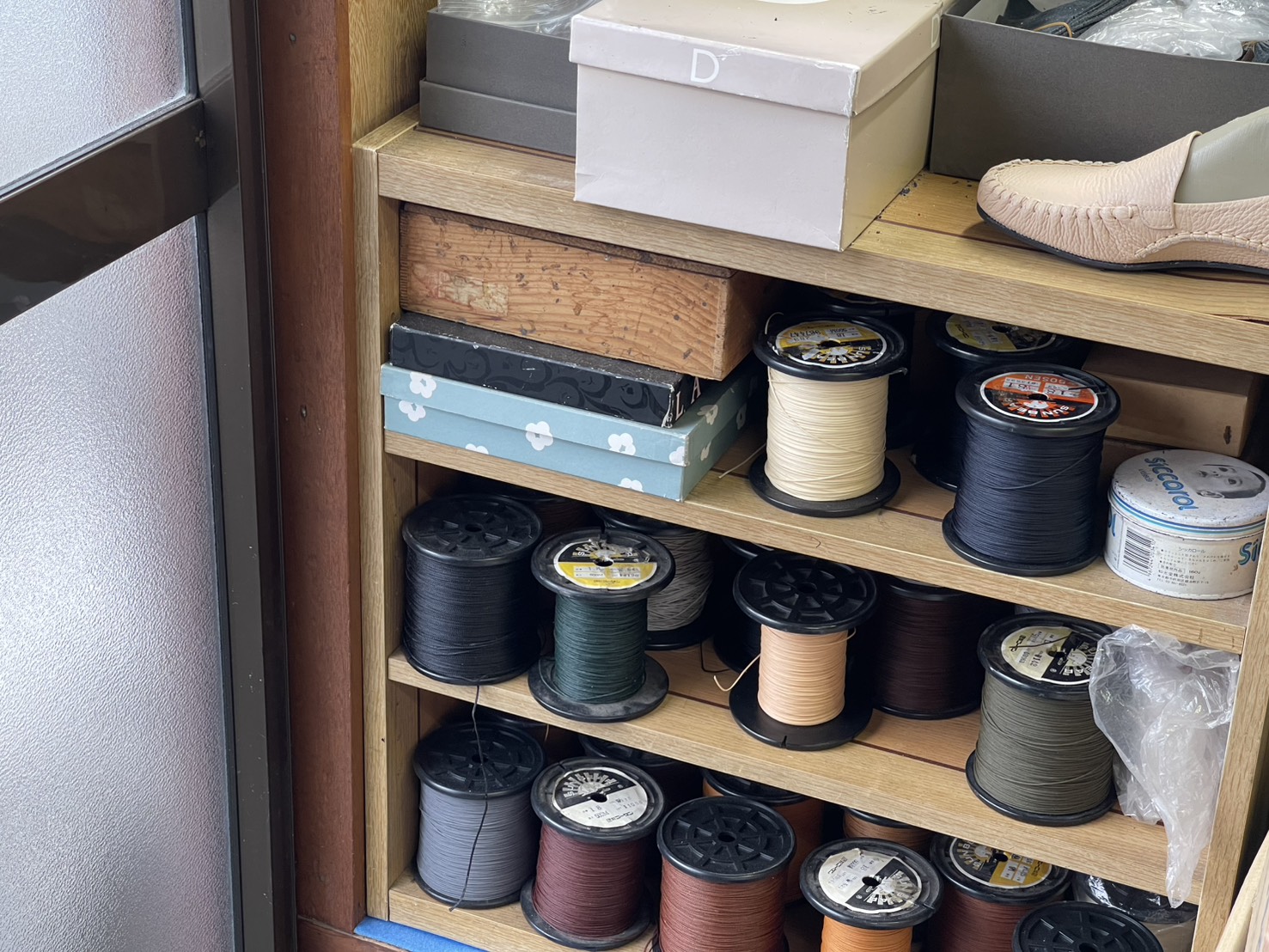
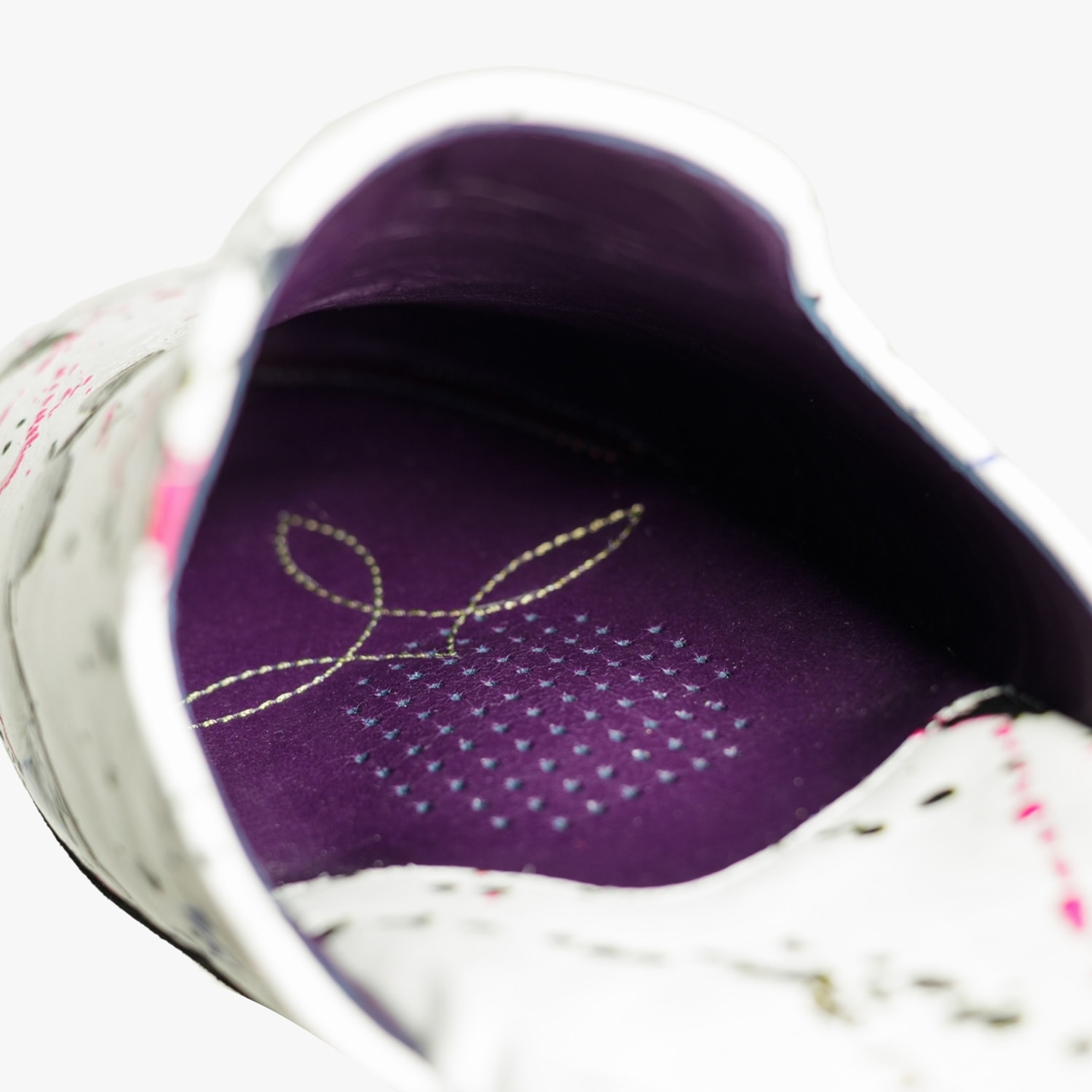
Once the leather pieces are prepared, stitching begins. At SANAX, stitching is guided by hand, which allows the artisans to control tension along curves and stress points. The upper is then shaped on a lasting machine, where tension is adjusted entirely by feel. Finally, soles made from leather, suede, or non-slip rubber are attached. Each pair is warmed, rolled, inspected, polished, and boxed.
Preserving Historic Tools and Workshop Knowledge
Walking through SANAX feels like entering a space where craft continues at its own pace. Many tools are decades old. Methods remain because they work. Younger staff assist with early stages, while elder craftspeople lead the most refined steps. Knowledge is passed through quiet instruction, observation, and repetition. It is a living apprenticeship protected by consistency.
Why Japanese Slipper Craftsmanship Matters Today
In Japan, slippers are everyday objects. They appear constantly in daily life, which can make them easy to overlook. SANAX shows what becomes possible when craftsmanship is applied to something familiar. Their slippers represent patience, precision, and a sense of responsibility to both the object and its user.
At a time when many traditional workshops face succession challenges, SANAX stands as an example of how a craft can survive when knowledge is maintained and valued.
The Spirit of SANAX
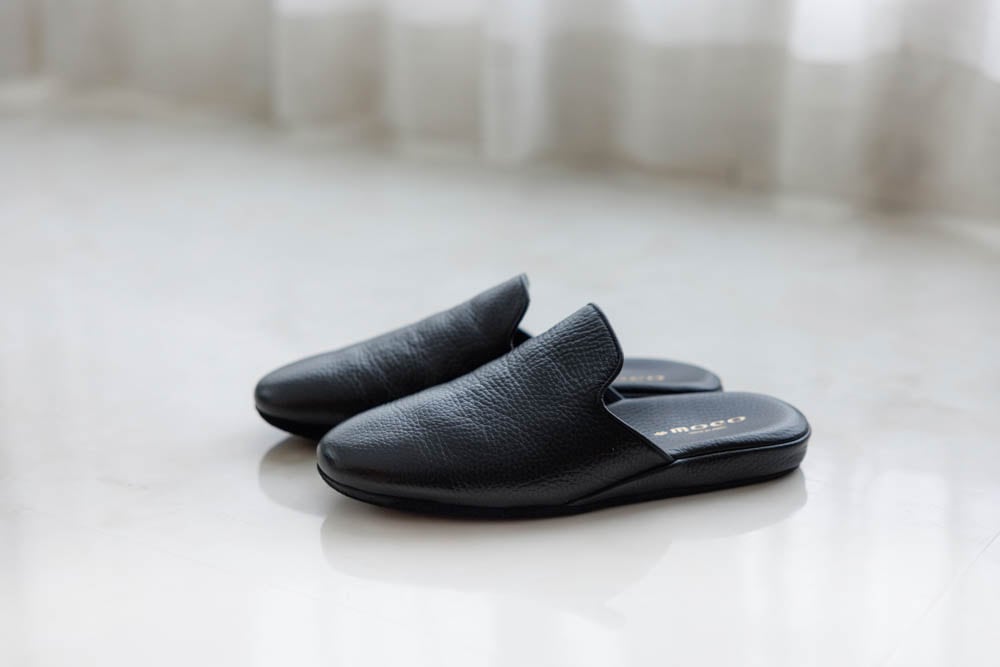
SANAX often describes its slippers as expressions of omotenashi, and after visiting, that feels accurate. These slippers offer hospitality through construction rather than decoration. They welcome the foot, support it, and soften each step.
For anyone interested in Japanese craftsmanship, SANAX slippers are more than room shoes. They show how simple objects can carry history, intention, and quiet excellence. And they show how a craft endures when a workshop commits to doing things the right way, regardless of industry trends.
If you'd like to order for pickup in Tokyo, or want to visit SANAX for a custom fitting on your upcoming trip, please view our Bottlecap Exclusive Experience page to make arrangements.
For international ordering, visit https://www.sanax-plan.jp/. International orders are now available, with some shipping restrictions. Follow Sanax on Instagram for updates on international order availability.
Want to discuss this article? Check out the "Japan Handmade Forum" on Discord to join the conversation!
Know someone we should interview next? Send us a recommendation at hello@bottlecap.jp
This page may contain affiliate links, and Bottlecap may earn a commission at no extra cost to you.