
After moving from New Zealand to Japan, Jess Gerrity discovered kyudo while watching archers practice near Ōmiya Park in Saitama. The long Japanese bows, measured movements, and focused atmosphere left a lasting impression, eventually leading her to begin training and explore related traditions including horseback archery, naginata, and samurai armor.
In this interview, Jess reflects on finding community and a stronger sense of self through Japanese martial arts, promoting Saitama as a tourism ambassador, and what artisans and cultural organizations need to make traditional practices more accessible to future generations.
What is kyudo?
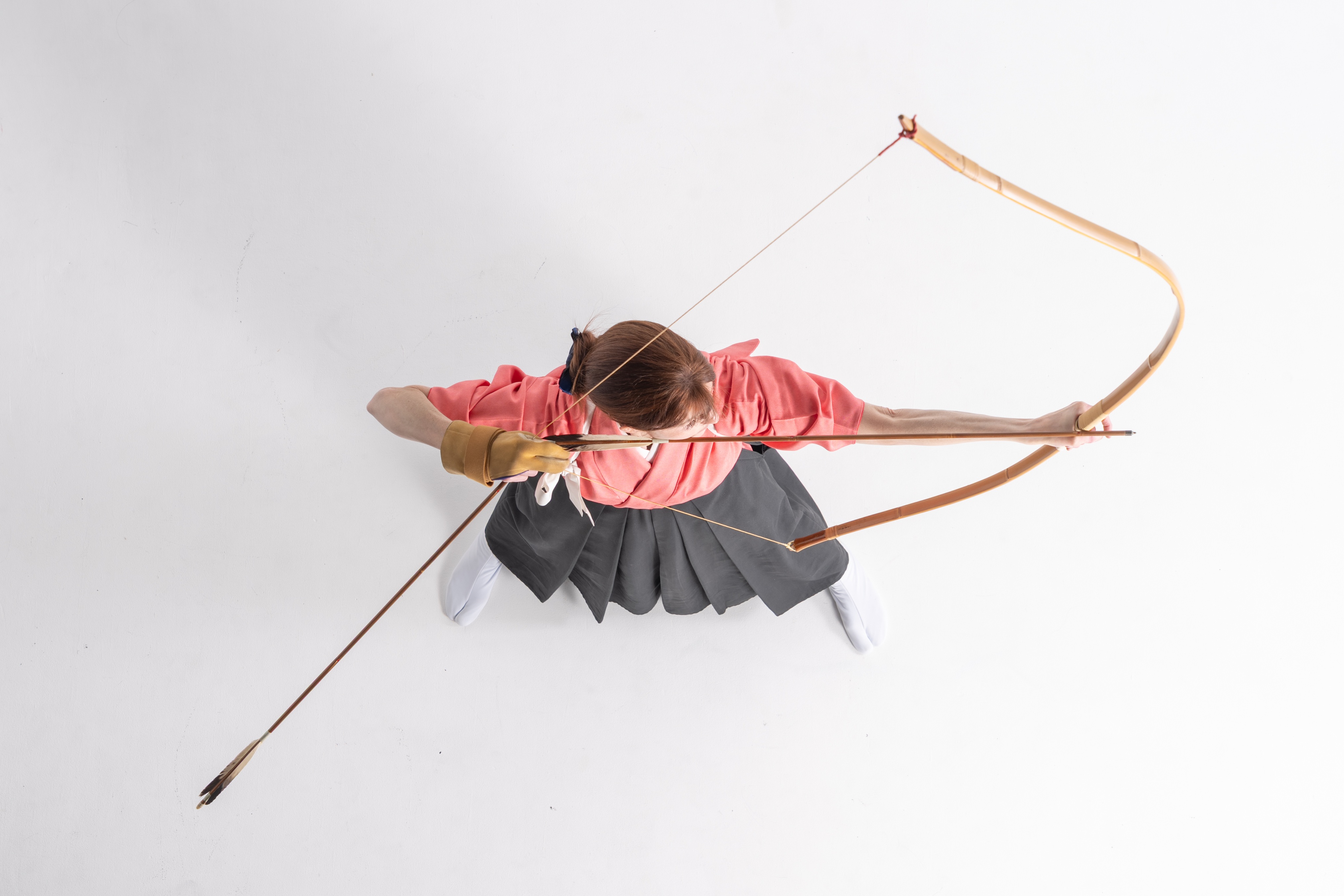
Kyudo is the Japanese martial art of archery, practiced with the long Japanese bow known as a yumi. Alongside accuracy and technique, training emphasizes posture, controlled movement, etiquette, and the development of both body and mind.

Discovering Kyudo at Ōmiya Park
You discovered kyudo after seeing an archery ground near Ōmiya Park. Can you take us back to that day and describe what you saw, heard, and felt that pulled you toward the dojo and the bow?
I was visiting Omiya Koen with my eldest daughter in 2010 to see the cherry blossoms in the park. A close distance from the carpark and inside the park is the Omiya Koen Kyudojo. Its structure is quite unique. Kyudojos are usually surrounded by walls meaning it can be difficult for people to observe or see practices and competitions however this particular dojo had vertical iron railings on one side meaning that people walking past would stop and be welcome to observe the goings on within the dojo. Seeing a small group of people standing and looking at something I ventured closer with my daughter to see what it was exactly that everyone was looking at.
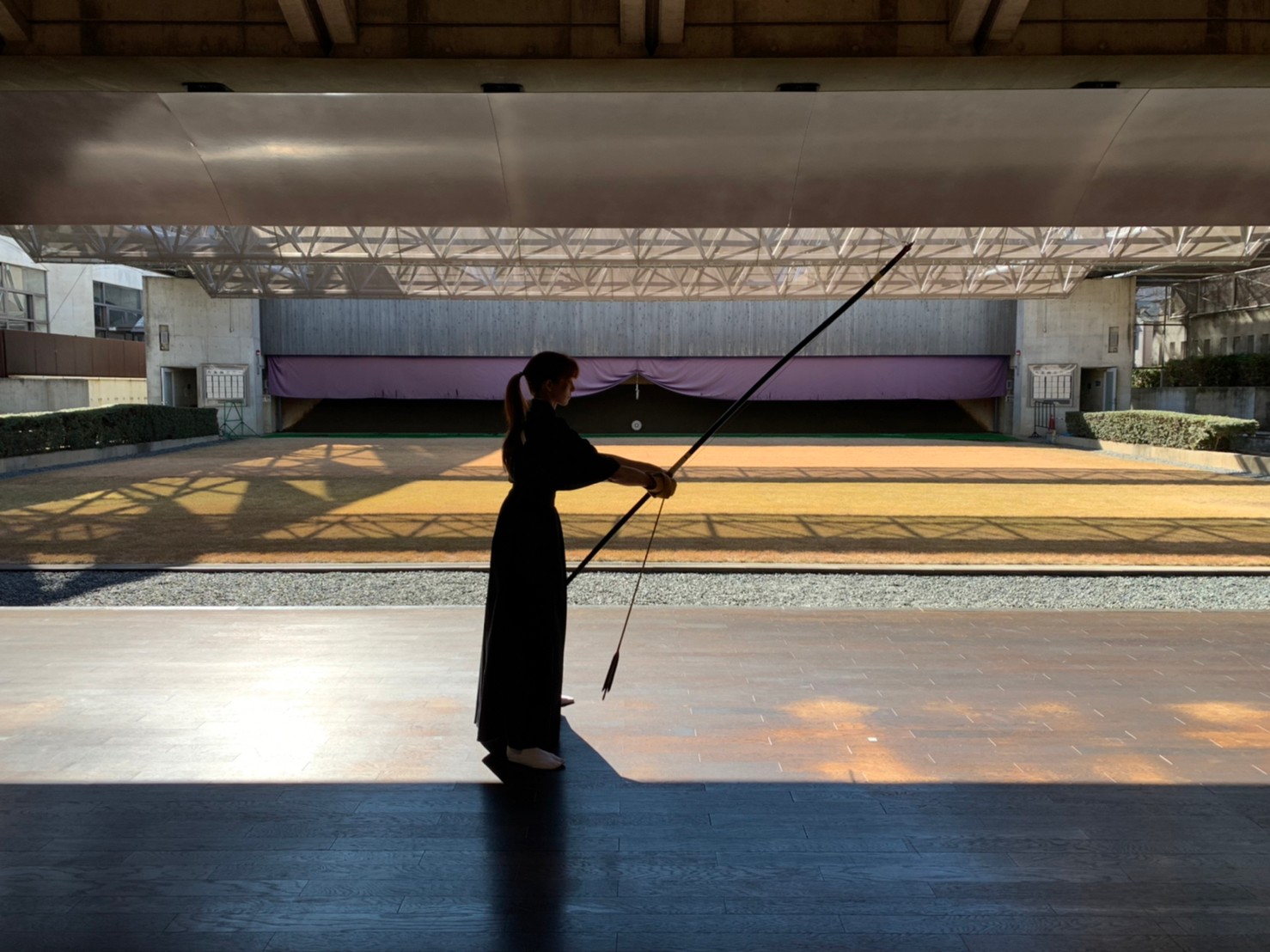
It was very very quiet other than the sounds of the bow string and hits (or misses) of the arrows on the target 28m away. Everyone wore the same sort of uniform black Hakama on the bottom and white Dougi on the top. I noticed about half of the people practicing were women which I took note of. Seeing the very long bows and slow movements I just took in everything as I stood and watched. As I watched I felt very serene and calm being in a lush green park watching this martial art was very calming. I figured that it must be a type of archery due to the equipment used but did not know the specific name.
It really left an impression on me and after coming back from the park with my family I searched online and found the word "kyudo" (弓道). That was the day I first learnt about kyudo. Seeing kyudo and knowing the way it made me feel even just watching it is a large part of the reason I post videos on social media. I hope people all around the world see kyudo and think, "this looks nice I'd like to try it too."
Building a Life and Community in Japan
When you first moved from Auckland, New Zealand to Japan in 2003, was there a single moment that made you feel “I live here now,” and how did that shape your path into Japanese traditional culture and kyudo training in Saitama?
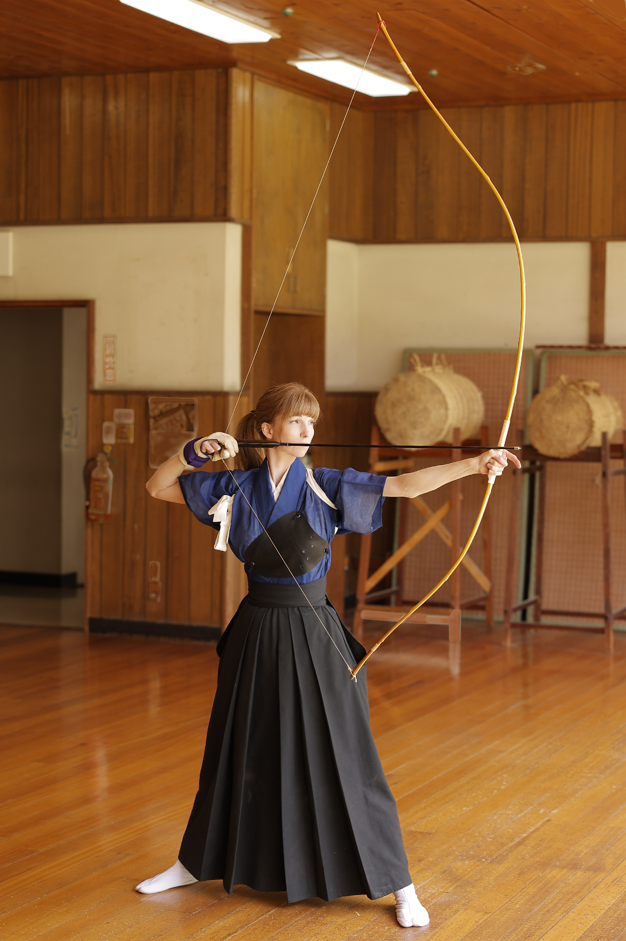
I'm not sure there was a single moment. I moved over with no specific plan or timeline. It was the first time I lived by myself and my first salaried job after graduating from my Masters degree. My life until now has been a cumulation of small steps leading to a general feeling that Japan is now my home. I think it may have been the point when, at 46 years of age, I realised I will have been in Japan about half my life. Starting kyudo opened me to a world of budo and traditional culture connecting me with a community of like minded people also passionate and interested in the same things I was.
From Kyudo to Horseback Archery and Samurai Culture
You’ve shown interest in Japanese armor and samurai heritage. How do those interests connect with your practice of kyudo and your appreciation for Japan’s martial traditions?
To give some background, since I was in Primary school I have always really loved armour and knights, especially European medieval knights and the history surrounding them. I wanted to live in a castle, joust on horseback and sword fight and have my own set of knights armour. Separately I was quite obsessed with Roman gladiators and the French Manga/comic Asterix and Obelix. So I think I sort of had an inclination to things medieval, weapons, castles and the history surrounding them.
Once I actually got to starting kyudo in mid 2017, I also started to search kyubajutsu (yabusame) or mounted archery and wanted to also start as a natural progression to kyudo. The pandemic and kind introductions from friends provided a wonderful opportunity to learn horseback archery which I started in 2020. I started naginata (a long wooden pole with a curved blade) about 3 years ago, too.
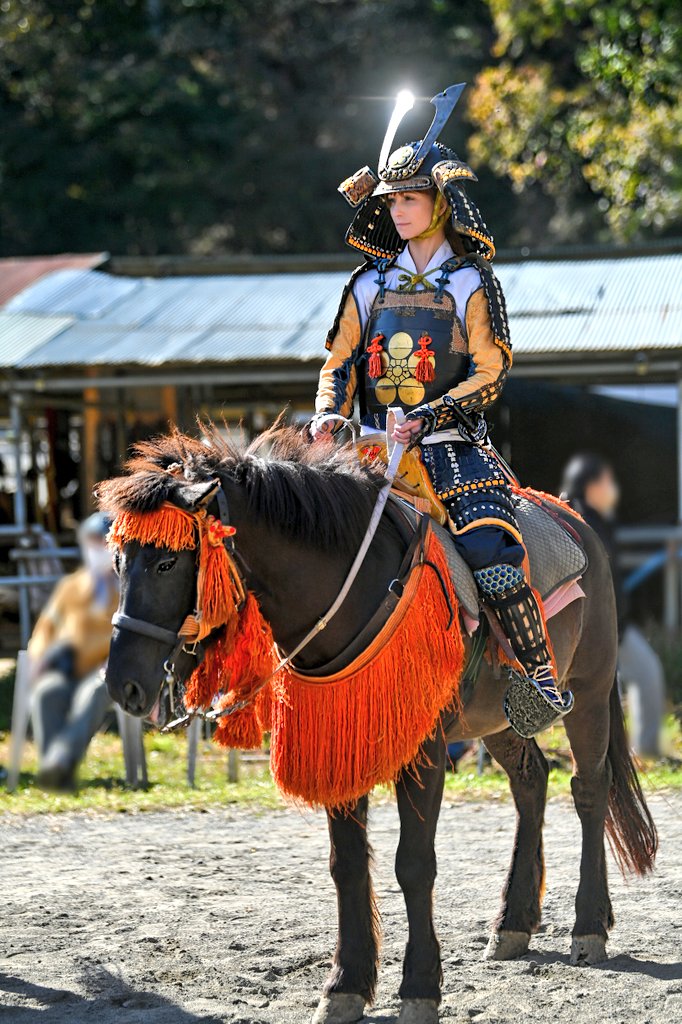
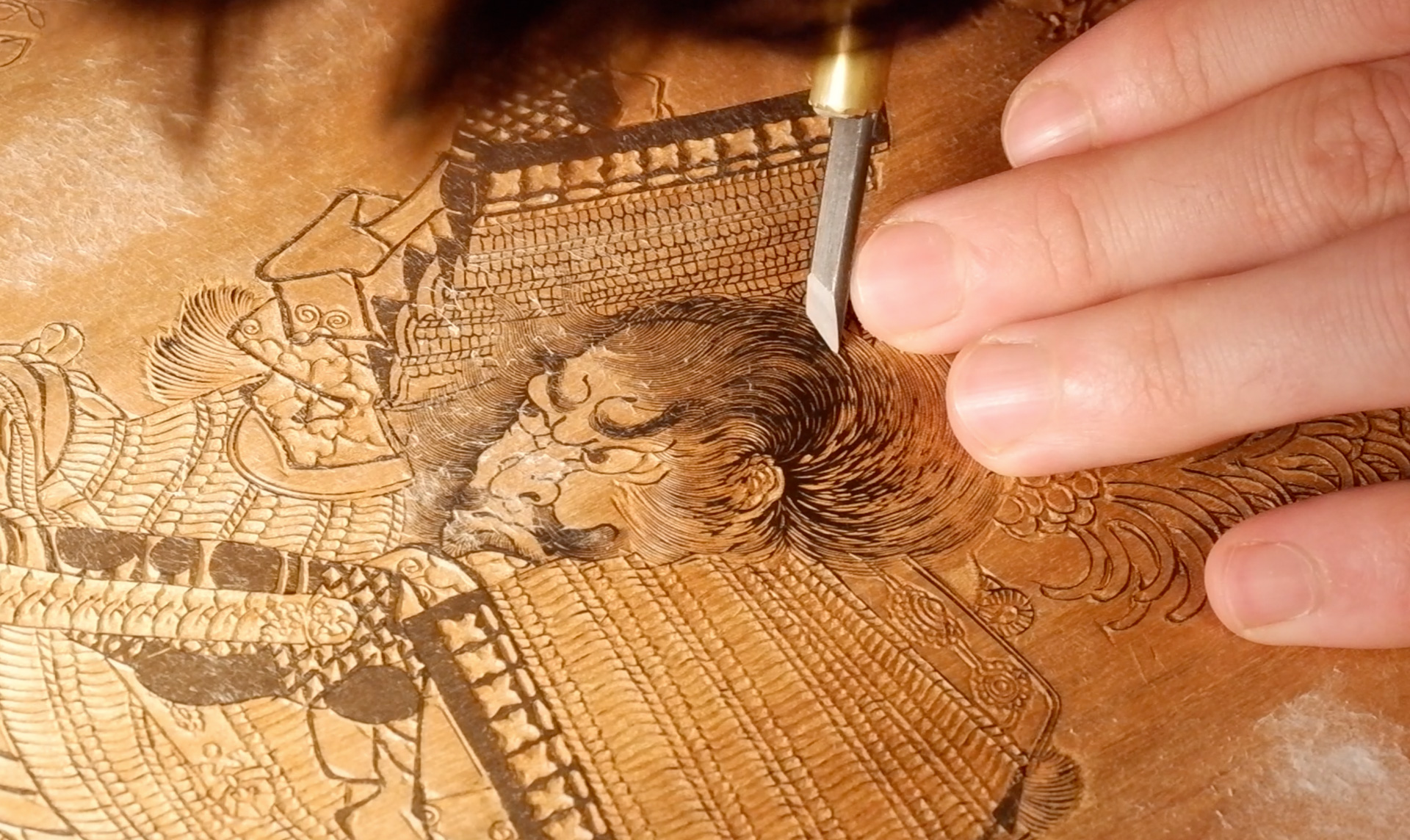
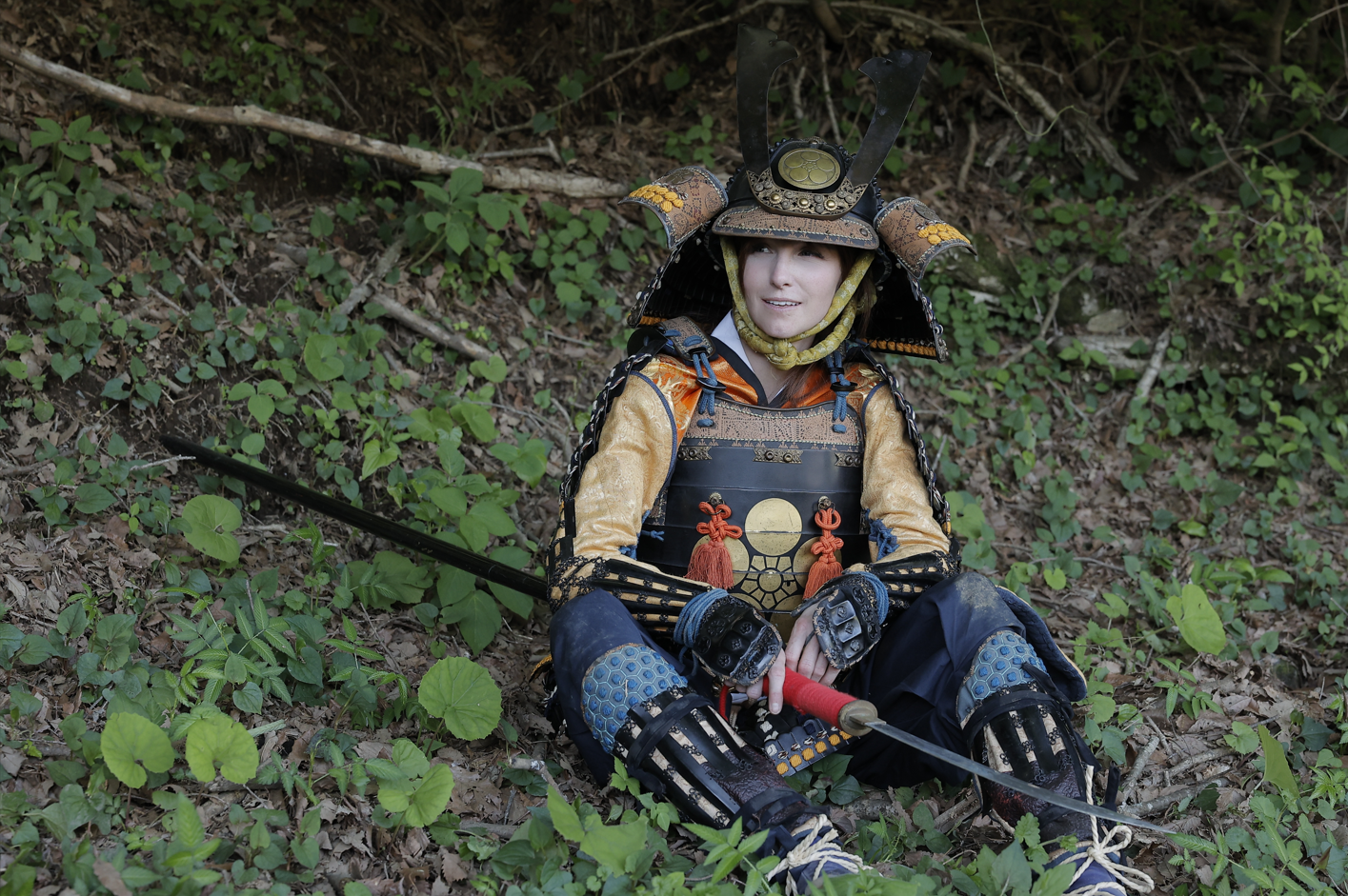
Researching history, tradition, garments, etiquette related to kyudo will quickly bring you to armour and samurai related history and traditional culture. In the Heian Period, horseback samurai used to use the yumi to fight battles The oyoroi armoir is ornate but very practical for the time period and the specific purpose it was made for.
Seeing how armour changed throughout history as weapons use changed, as well as methods of warfare, was very fascinating and finally getting my own samurai armour was really exciting for me. I am by no means any expert but dressing myself in armour and riding a Japanese horse and shooting a bow in armour on horseback was very wonderful. It wasn't jousting but the child in me was very happy and I felt like I had rediscovered the authentic me.
Promoting Saitama Through Tourism and Traditional Culture
You were appointed as The Love Saitama Ambassador in 2018, and PR Ambassador for Saitama Prefectural Government in 2024 promoting the prefecture both in Japan and abroad. What do those roles mean to you personally?
I proactively searched out the role of Love Saitama Ambassador as I had lived in Saitama about 10 years and wanted to give back via the small following that I had gained by being on Japanese TV weekly for about 15 years at that time. I started as the Love Saitama Ambassador (an inbound tourism facing promotional role) in 2018 and would visit different areas of Saitama I found personally interesting and wrote articles and posted about them.
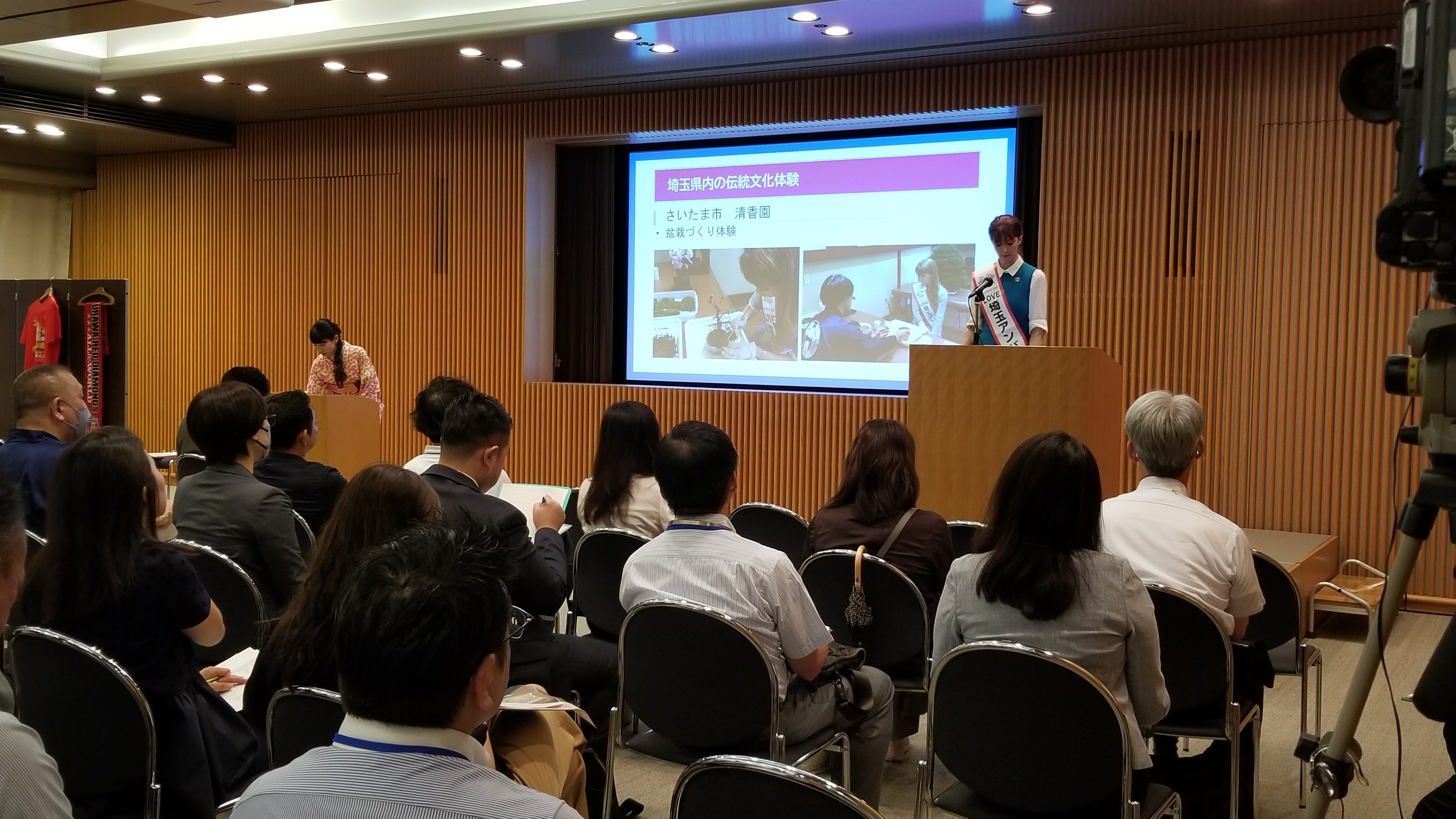
Throughout the pandemic due to a lack of inbound tourism my role became domestic facing using Japanese; interviewing artisans for prefectural government magazines and appearing on Saitama-based TV discussing Saitama from my point of view. It was always a volunteer-based role, a sort of passion project but was always very enjoyable. In 2024, the media division of the Prefectural Government offered me a role as a PR Ambassador in addition to the Love Saitama Ambassador role. I am in my second year of this additional position and I am loving it. Having the chance to visit different areas of Saitama, meet people, and experience traditional culture and places that personally interest me, and then post and show others about it via social media really is a dream job.
Experiencing Saitama Through Crafts and Local Travel
You’ve mentioned in past interviews that you hope people in New Zealand will better understand Japan and its culture through your work in media and tourism. If you curated a “Japan in one weekend” route for a friend, which craft studio, shrine, or local eatery would you include, and why?
I hope people all around the world will come across my posts or articles or videos and see something that interests them. Everything I post about interests me personally and is something I have tried myself and have a connection to. So, if people find something that they too would like to try or a place they would like to visit, then that really makes me happy.
I don't have experience traveling extensively throughout Japan, as the care my youngest daughter requires means I cannot stay overnight anywhere. So, all trips and visits to different places you see on my social media are day trips. My recommended experiences would depend on the interests of the friend, however assuming they like experiencing traditional culture I would recommend an aizome (indigo) dyeing experience in Minami Hanyu, or washi Japanese paper making in Ogawa machi.
What Traditional Japanese Crafts Need to Survive
You’ve met many artisans through your ambassador and media work. From your perspective, what needs to happen for traditional Japanese crafts to truly survive and thrive in the next generation?
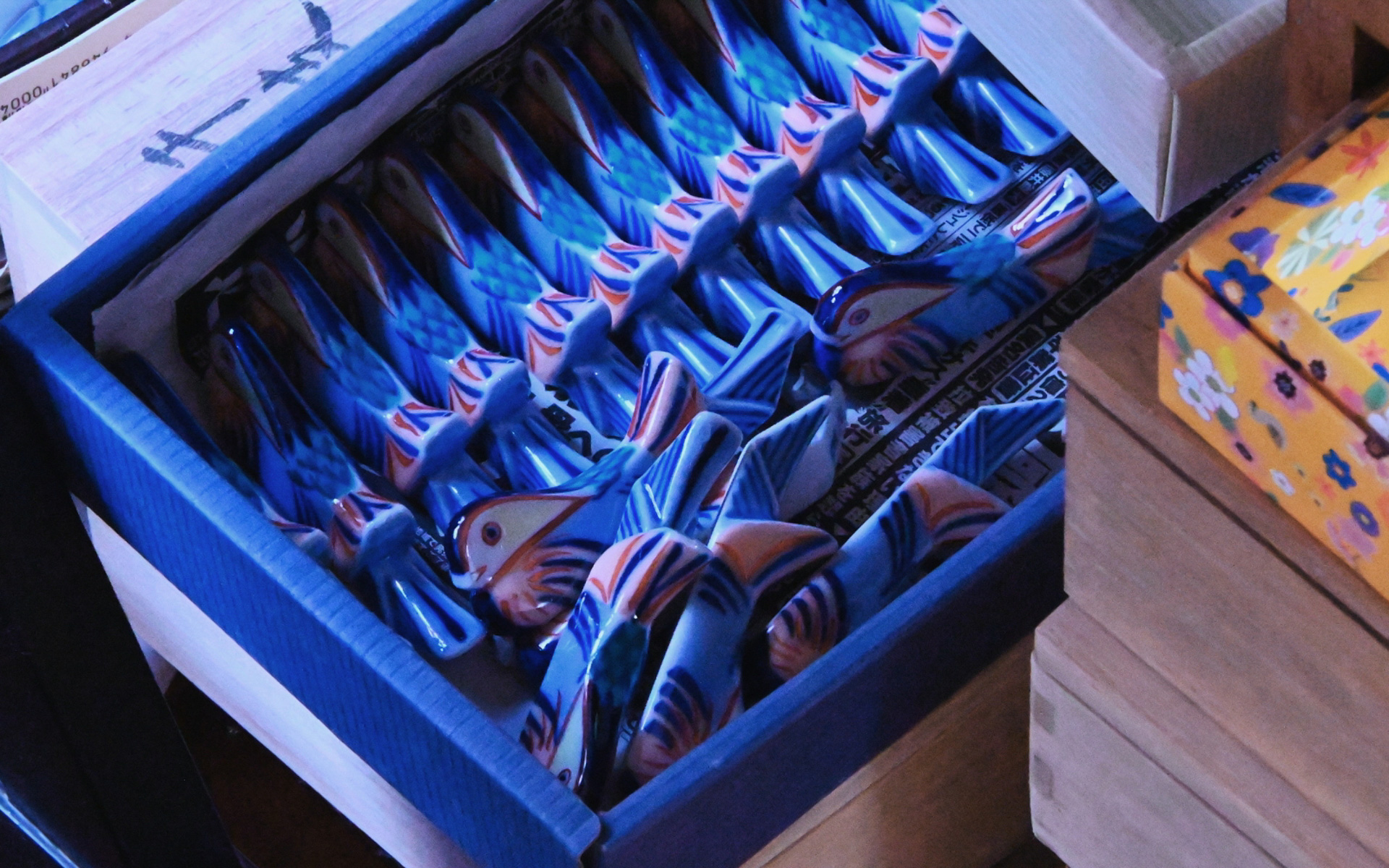
It's a highly complex and multilayered issue that cannot be answered on a couple of paragraphs, due to the unique needs of each artisan and their craft. Through the promotion of Saitama on social media, I have had several opportunities to meet many wonderful artisans. However, even just through learning kyudo, I have met or come into contact with yumishi (bow makers), kakeshi (arrow nock makers), yashi (arrow makers) and tsurushi (bow string makers). Visiting a Kyoto based yumishi really opened my eyes to how artisans can harness the power of social media and language (English) to their advantage.
It's difficult to give general ideas and suggestions as each folkcraft/traditional craft/or art has specific needs and timelines and connections and are at different states of endangerment/are on different timelines, but I have some thoughts:
Understanding the Barriers Facing Artisans
Understanding barriers to promotion of artisans and their work. Traditions surrounding artisans and their crafts are often related to seasons or specific times of year, meaning certain work can only happen at certain times of the year. For example, yumishi cutting and collecting bamboo used for bows is done in one month out of each year. Meaning that interviews, videos, open workshop days, visits, etc. may only be allowed once a year for one or two days at a time, limiting the amount of promotion that can take place.
Intra-industry pressure
I have heard first hand that a specific dentokogehin 伝統工芸品 (Japanese traditional crafts) workshop became very popular with people from overseas as they had put effort into their social media, where other workshops had none. They were called show-offs, and were accused of oversharing by others in the same industry. Japan does have a mentality of "the nail that sticks out gets hammered down," and this can sometimes happen behind the scenes in the work of traditional crafts here in Japan.
Expectations and restrictions
Understanding and addressing the expectations the artisans have for themselves and their specific craft or art, and how that exists in a modern Japan, both now and into the future. And if there are restrictions on the use of specific technologies in their processes. If they are open to adding technology to streamline processes or if, in order to receive a specific category (伝統工芸品など) as a traditional artisan, they must abide by traditional methods only.
Promotion and awareness
The way to go about promoting a craft or artisan needs to be tailored with care. I have found that even in the same category of crafts, for example Japanese bow making, the yumishi and their approach to customers and media and promotion is very different from workshop to workshop.
Using Social Media Without Losing Cultural Sensitivity
Certain techniques and traditions are not really allowed to be recorded on camera, and occasionally there are workshops which do not wish to be filmed at all (however are suffering due to lack of business and no clear line of succession). It would be nice to find a happy medium which would allow promotion and sale of traditional items while still being culturally sensitive and allowing artisans to keep their traditional trade secrets.
Creating Sustainable Apprenticeships
Discussions about desshi (apprentices), and payment of a wage which allows them to live.
The Future of Kyudo for International Learners
Looking ten years ahead, what do you hope kyudo and related arts will look like for international learners in Japan, and what do you want your role to be in that future of cultural exchange and education?
10 years on, I hope that people living in and out of Japan will continue to be able to access and train in Japanese martial arts and traditional culture if they wish to. I hope over the coming years I will continue to be involved in consulting and working together with the central government in projects relating to the promotion of Japanese culture overseas.
I hope to continue to work with the Japan Sports Ministry, the Tourism Ministry and Culture Ministry promoting budo and traditional culture both in and out of Japan. I would really like to work in a role that allows me to continue to promote different aspects of Japan's traditional culture and Japanese martial arts.
You can follow Jessica's journey on social media via her Youtube, Instagram, Twitter, Facebook, and Blog.
Want to discuss this article? Check out the "Japan Handmade Forum" on Discord to join the conversation!
Know someone we should interview next? Send us a recommendation at hello@bottlecap.jp
This page may contain affiliate links, and Bottlecap may earn a commission at no extra cost to you.