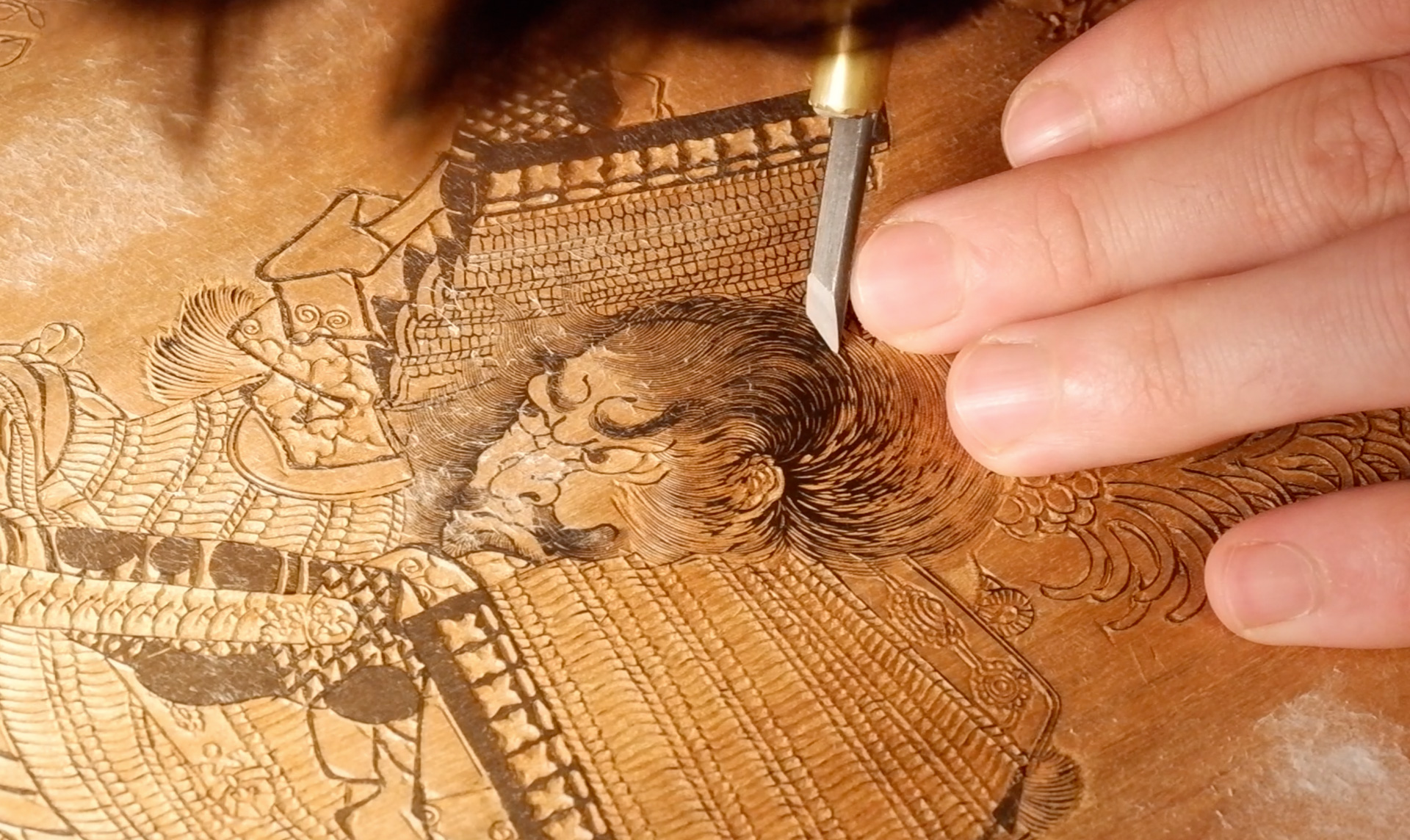
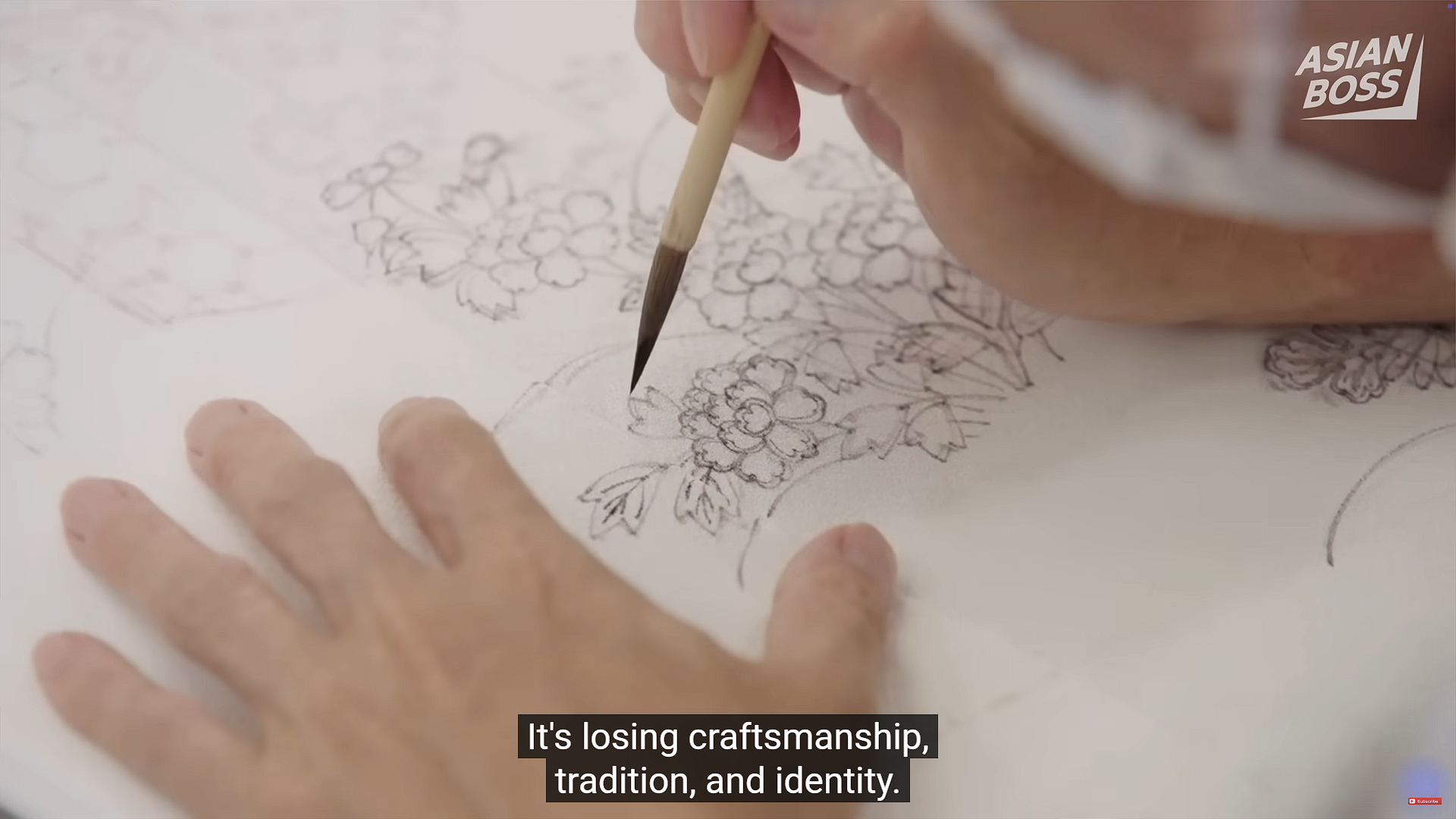
Across Japan, profitable small businesses are closing because their aging owners cannot find anyone willing or prepared to take over. The consequences extend beyond individual companies, threatening local employment, essential services, regional economies, and traditional skills that may disappear when a workshop shuts its doors.
Can innovation, adoption, and inheritance reform save what’s left? "Asian Boss" summarizes the SME crisis in their recent "AB Explained" video.
This article is based on reporting and analysis by Asian Boss, a YouTube channel focused on sharing authentic, in-depth stories and perspectives from across Asia. Their mission is to foster better understanding between Asia and the rest of the world through thoughtful coverage of social, cultural, and economic issues.
Watch their full video below (embedded later in this article) for a comprehensive look at Japan’s small-business succession crisis and the cultural and economic forces shaping it.
Japan’s Quiet Crisis
Japan is one of the world’s most stable and technologically advanced economies, yet underneath that stability is a demographic and cultural challenge that is quietly reshaping towns, industries, and entire regional identities. Every fifteen minutes, a Japanese business shuts down.
Small and medium-sized enterprises (SMEs) make up 99.7 percent of all companies in Japan and employ more than 70 percent of the national workforce. These are the backbone of local life: the family-owned tofu shops, metal workshops, print factories, ryokan inns, lacquer studios, café bakeries, and rural supply stores. Many of them are profitable. Many have loyal customers and decades-long histories. Yet thousands shut their doors every year because no one is left to take over.
Japan’s succession crisis is not new, but it has intensified over the past decade. As the country continues to age and rural depopulation accelerates, entire business ecosystems face extinction. What used to be isolated cases are now widespread patterns that threaten to reshape Japan’s economic and cultural landscape.
Why Japan’s Small Businesses Are Disappearing
Aging Owners and a Shortage of Successors
More than 60 percent of small-business owners are over the age of 60. Nearly half have no successor. Many owners have been running their businesses since the 1970s or 1980s, often without taking on apprentices or grooming a clear heir. Retirement is looming, but succession plans are not.
Profitable Businesses Without New Leadership
What makes this crisis unusual is that a large percentage of these businesses are not failing financially. They generate stable income, serve essential roles in their communities, and in many cases still show year-over-year profit.
Yet projections show that by 2030, as many as 1.27 million small businesses could vanish, taking 6.5 million jobs with them and removing ¥22 trillion in economic activity from Japan’s GDP. The closures often have nothing to do with demand. They are simply the result of leadership running out.
Urban Migration and Changing Career Priorities
Younger generations have overwhelmingly moved to major cities like Tokyo, Osaka, Fukuoka, and Nagoya. For many, the lifestyle associated with traditional businesses feels restrictive. They prefer jobs that offer more flexibility, remote work options, or creative autonomy.
Taking over a family shop often means early mornings, long hours, conservative work styles, and a responsibility to uphold decades of family reputation. These expectations can feel like a loss of freedom rather than an opportunity.
The Pressure of Inheriting a Family Legacy
In Japan, inheriting a family business is not only about managing a company. It is also about honoring a legacy. Accepting the role often means becoming a public figure within the local community. The weight of this responsibility is something many young people are unwilling to shoulder.
Parents understand this too. Some would rather close their business than push their children into a role they do not want.
Reluctant Founders and Attachment to Craft
For artisans and craft-based businesses, the emotional connection is even stronger. Owners often feel that only someone who fully understands their techniques, values, and history should take over. Many fear that a successor, even a competent one, might dilute the brand or lower the quality.
Why Craft Businesses Struggle to Accept Outside Successors
Although foreign entrepreneurs and immigrants increasingly express interest in taking over Japanese businesses, many founders remain hesitant. The hesitation is often cultural rather than legal or financial.
Owners worry that their community may not accept a non-Japanese heir or that communication and values may not fully align. For many of them, the priority is not survival at any cost, but survival with dignity.
How Japan Is Responding to the Succession Crisis
Government Support for Business Transfers
Japan’s government launched multiple programs to encourage smoother business transitions. These include tax incentives, subsidies for succession planning, and advisory services. Despite good intentions, the reach and impact have been limited. Bureaucracy slows down access, and many small-business owners are either unaware of the programs or do not know how to navigate them.
Matching Retiring Owners with Outside Buyers
Private companies have stepped in to fill the gap. One of the most prominent is M&A Research Institute, which uses AI-driven matching to connect retiring owners with suitable buyers. Their rapid matching system can complete transfers in under 50 days, and the firm’s success turned its founder, Shinsaku Sagami, into one of Japan’s youngest billionaires.
However, the fast-growing succession industry has also attracted inexperienced or opaque brokers. Recent reports have raised concerns about misleading valuations and inconsistent oversight, prompting debate about the need for stronger regulation.
Mukoyoshi and Adoption as a Succession Strategy
Japan has a long tradition known as Mukoyōshi, which allows non-family individuals, often sons-in-law or trusted apprentices, to be adopted into the family line. This practice ensures continuation of the family name and business. While less common today, it offers a uniquely Japanese solution to the succession problem.
Some modern families and artisans are beginning to reconsider Mukoyōshi as a practical and culturally respectful bridge between tradition and the realities of modern life.
What Japan Could Lose When Small Businesses Close
If the current pace of closures continues, the consequences will be far-reaching:
- Rural towns could fade out as essential services disappear.
- Schools, hospitals, and public transport systems may shrink or close in response to population decline.
- Entire craft traditions, some centuries old, could disappear forever.
- Local tourism, food culture, and regional identity may erode as anchor businesses shut down.
Japan’s challenge is no longer only demographic. It is cultural and existential. What is at risk is more than economic activity. It is the preservation of local knowledge, community structures, and the continuity of living traditions.
Watch the Full Video
Watch the original Asian Boss video to explore how Japan’s small-business succession crisis unfolded, what’s being done to fix it, and whether those solutions can arrive in time.
Disclosure: This article summarizes themes presented in a video by Asian Boss and is intended for educational and cultural discussion. Bottlecap does not make any endorsements of their channel, nor the businesses, organizations, or individuals mentioned in the video.
Want to discuss this article? Check out the "Japan Handmade Forum" on Discord to join the conversation!
Know someone we should interview next? Send us a recommendation at hello@bottlecap.jp
This page may contain affiliate links, and Bottlecap may earn a commission at no extra cost to you.