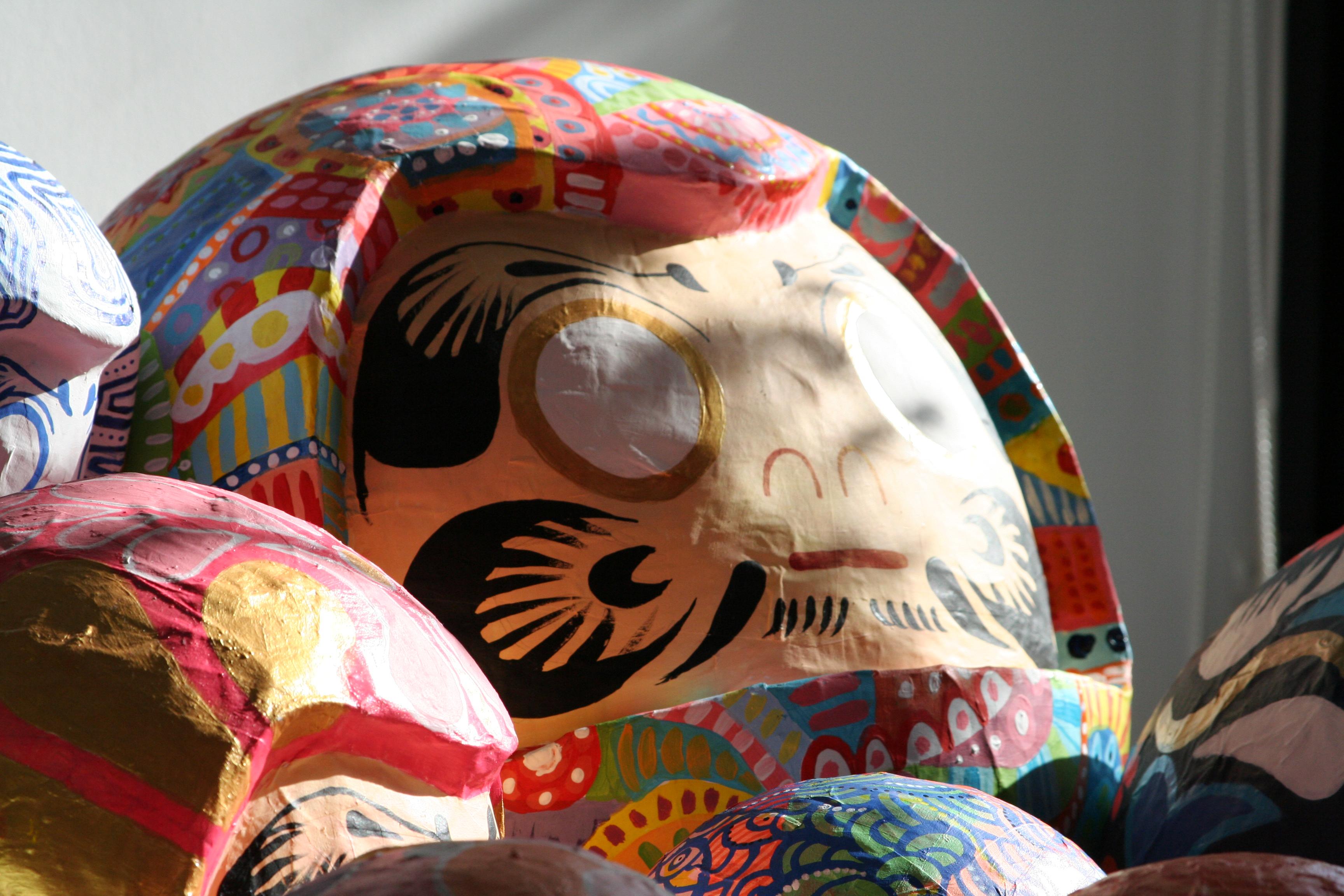
At 17, Daniella del Valle Silva is developing her own contemporary interpretation of the Japanese daruma doll from Mérida, Yucatán. What began as a handmade decoration for her family’s restaurant grew into Darulab, where she combines the daruma’s traditional form and eye-painting ritual with playful colors, patterns, and personal influences.
In this interview, Daniella discusses discovering beauty in imperfection, balancing cultural respect with creative experimentation, and how Japanese traditions can inspire meaningful cross-cultural exchange.
What is a daruma doll?
A daruma is a rounded Japanese good-luck doll modeled after Bodhidharma, the founder of Zen Buddhism. Traditionally, one eye is painted when setting a goal or making a wish, and the second is completed when that goal is achieved.
Discovering Daruma Through Art and Family
Could you tell us a little about yourself and how you first discovered Daruma dolls?
My name is Daniella del Valle Silva, I’m 17 years old. I was born in Madrid and grew up in between many countries and cultures. I lived in Miami, Puerto Rico, Venezuela, Santiago de Chile, London and now I live in Mérida, Yucatán. I lived in London the longest which probably shaped me the most as a person. Ever since I can remember I’ve always loved art, drawing, architecture, fashion, painting, singing, music. Anyone who knows me will tell you I’m a creative and artistic person.

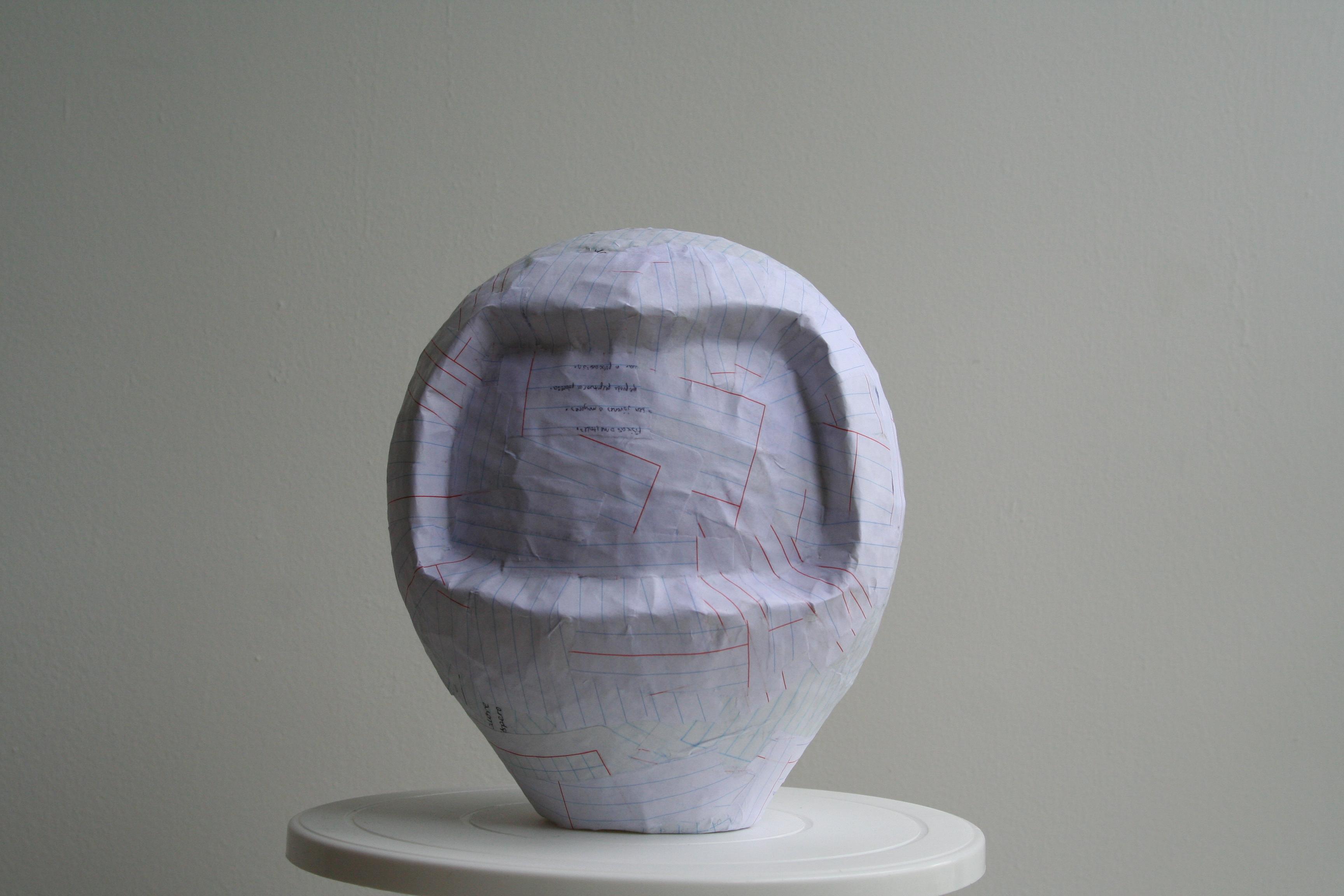
I discovered Darumas almost by accident. I’ve always known about them because I've been surrounded by a little bit of Japanese culture growing up. My parents have been a big influence for me in all of this. They’ve been in the food industry for more than 20 years, specializing in Japanese cuisine. They own a restaurant here in Mérida since nearly two years ago and when they opened they asked me to help them decorate, if I could make a daruma for them. So without any help, I just made one from what I know I can do.
"I realized that the 'ugliness' or 'imperfections' I saw were actually beautiful."
.jpeg)
Finding Beauty in Imperfection Through Wabi-sabi
What drew you to start making Daruma by hand, and what was your very first attempt like?
Despite having endless hobbies, interests and talents, I entered that mid life crisis every teenager has when they finish school. “What do I do?” I wanted to do so many things and I never thought I would end up doing this. I was looking to use my creativity on something or express myself in an artistic way somehow. I wanted to make music, I was going to focus on that, I still do. All I remember is my parents telling me for months that I should start making Darumas in my free time, that people would love them and it could do really well here in Mérida. After procrastinating, we bought some materials because I hadn’t done anything creative or artistic for a really long time.
So I wanted to try, with my own hands, to create a Daruma and have fun. At first I didn’t really like it and I thought it looked ugly so I made more, until I had 10 and with each one you can see the improvement and slight things that were different or I had changed. They start to have more structure, they’re sturdy and strong, they have my own style and you can see my creativity flow as I make more. During this, I realized that the “ugliness” or “imperfections” I saw were actually beautiful, that’s why I fell in love with the philosophy of wabi-sabi. As artists we tend to criticise our own work a lot, but if I give you a side by side picture of the very first daruma I made two years ago versus the last one I made now, you would be shocked to see the difference.
Try a Daruma painting experience in Osaka, Japan!
The Artists and Music That Inspire Her Work
Who are other artists you feel inspired by?
To be honest, I don’t really have a certain artist I’m inspired by when it comes to paintings or physical artworks. When I was growing up I really liked Vincent Van Gogh and my parents introduced me to Yayoi Kusama’s art. There are a few things that truly inspire me and give me adrenaline, which is the music I listen to, the artists I listen to. They inspire me to create and keep creating. Radiohead, Coldplay, Billie Eilish, Pink Floyd, Billy Joel, Tyler the Creator, Mac Miller, Jeff Buckley, Sade, Gustavo Cerati, Frank Ocean and so many more.
"It’s almost like a type of meditation."
Balancing Daruma Tradition with Creative Experimentation
Many of your Daruma designs are unique and playful. How do you decide when to follow traditional styles and when to experiment with new ones?
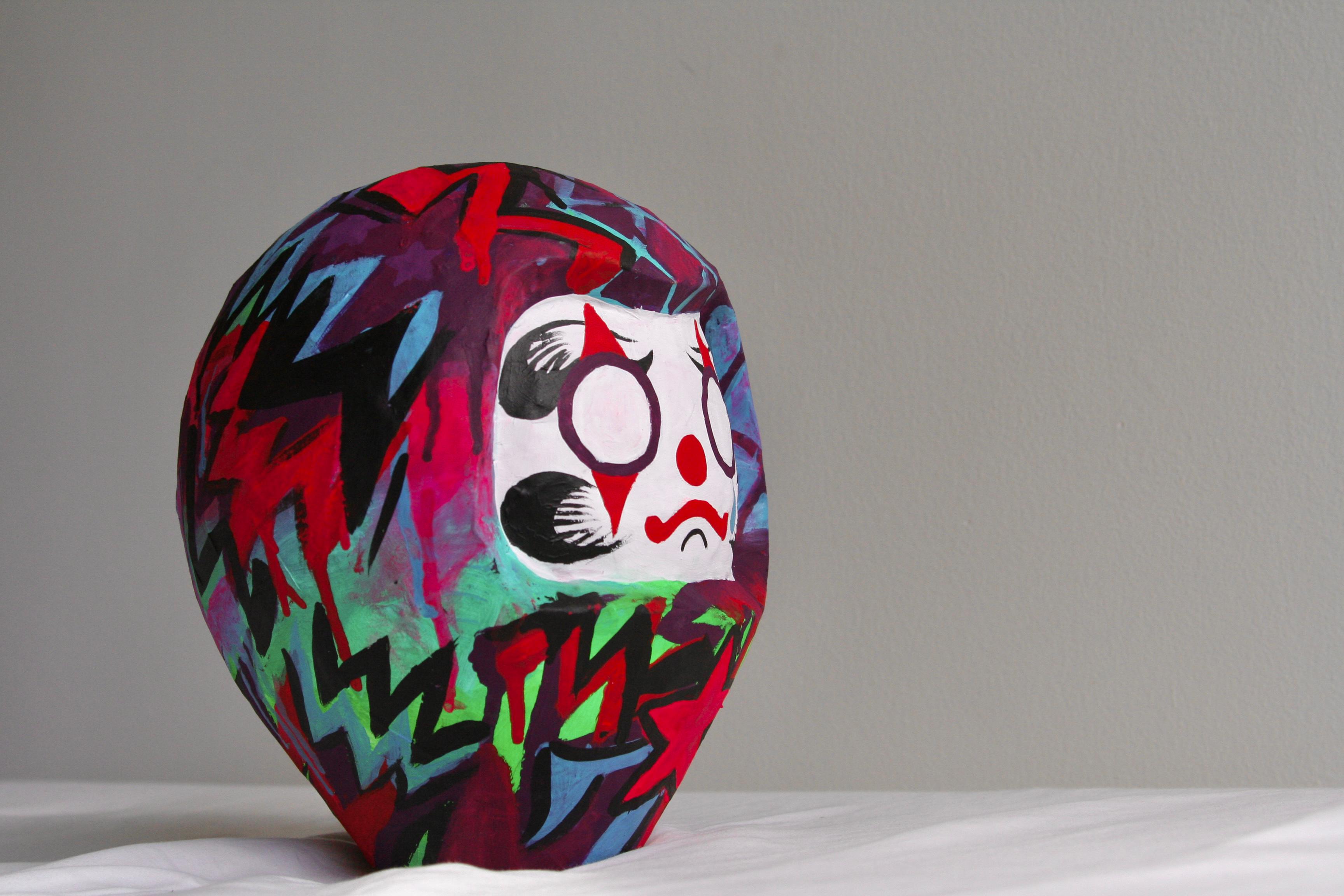
I always honor the traditional shape and the ritual of the eye. That is sacred. But apart from that, I let colors and patterns flow depending on what I’m feeling or if the daruma is meant for someone. Some are more classic, others are more wild and funky, it depends on my mood. I see each of them as guardians with personalities.
Finding Patience and Focus Through Painting
What do you feel when you’re painting a Daruma? Is there a personal ritual or mindset you bring into the process?
I never realized until a week ago that every time I get to the process of painting a daruma, my mind goes quiet. It’s the first time I’ve ever felt peace and quiet in my head. I don’t have a single thought when I start painting them, everything just flows. It’s almost like a type of meditation. When I’m really inspired I tend to sit for hours and hours until I finish it with no breaks. I often listen to music or watch a series or movies. I have incredible patience when it comes to art.
Building a Community Around Darulab
Did you face any doubts or concerns when you started creating Daruma?
Not really, I had nothing to lose. I have fun doing them and enjoy it and that’s what matters most to me. I have really supportive parents who helped me with my ideas, if it weren’t for them I probably wouldn’t have started.
Sharing Her Daruma Art with People in Japan
What has been the reaction from your followers and community in Yucatán and beyond?
It has been beautiful. I wasn’t expecting so many people to connect with my work. I wasn’t expecting so many nice reactions. Some people even asked for Darumas “en blanco” (blank ones) so they can personalize them at home, which is an idea I might expand on. Others love the unique pieces I create for artists, chefs, and creators.
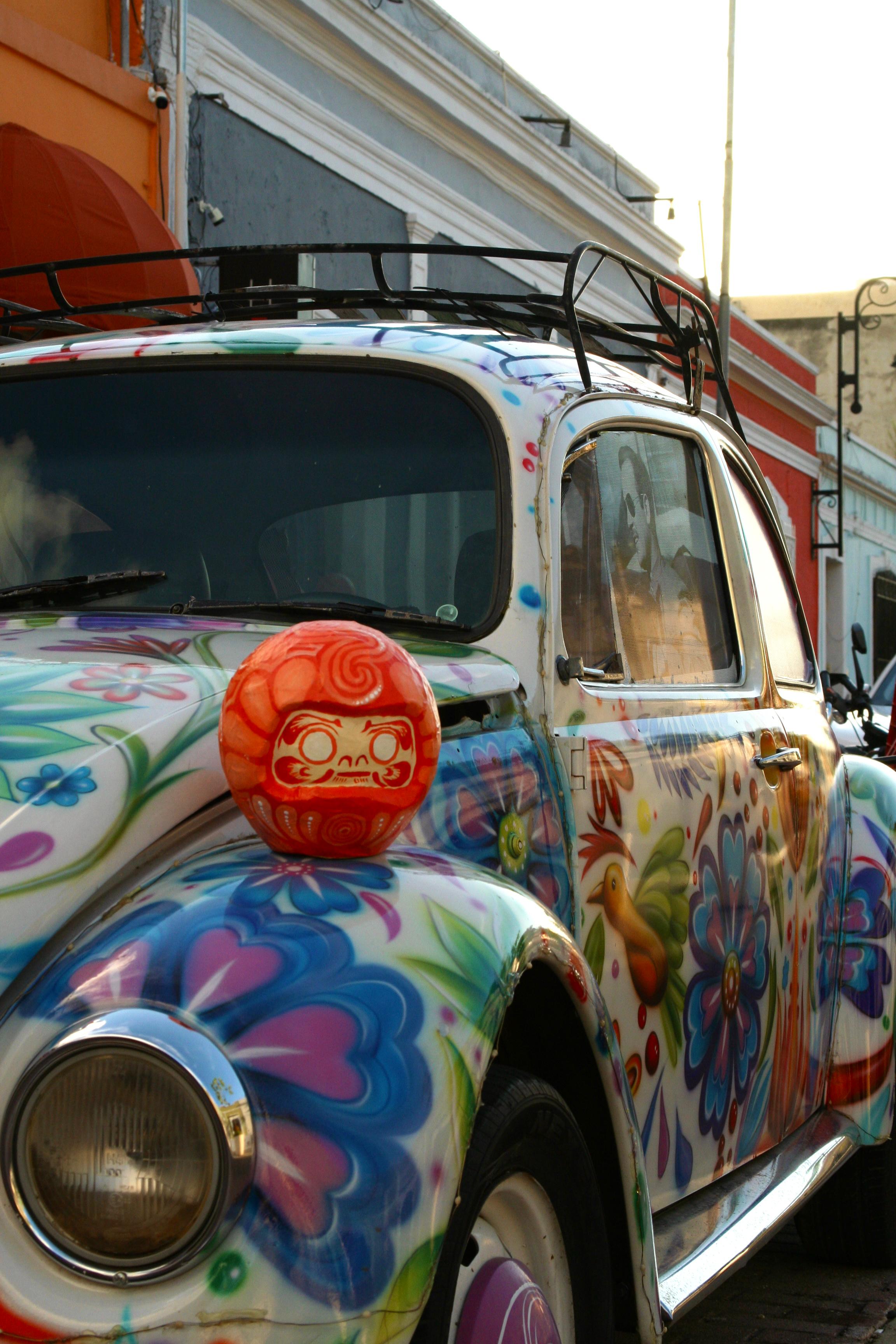
I created a Tokubetsu Daruma for Chef Takayoshi Watanabe in Japan. Sending it to him was an emotional moment, because it felt like returning the tradition to its home, but with my interpretation and style. The responses from Japanese people have been encouraging, they appreciate the respect I give to the philosophy and the ritual.
"It’s not about copying or taking away from their origin, but honoring the tradition while finding ways to connect it with my own perspective."
Reinterpreting Japanese Traditions with Respect
In your view, is it valuable for people outside Japan to learn about and reinterpret Japanese traditional crafts?
Yes, very much. Traditional crafts or traditions in general, carry meaning, history, and artistry that can inspire people anywhere in the world. People can learn about them and appreciate them. Reinterpreting them can also give these crafts new life and allow them to reach audiences who might not have known about them otherwise. People who don’t know about Darumas can help keep them alive and spread their meaning. For me, it’s not about copying or taking away from their origin, but honoring the tradition while finding ways to connect it with my own perspective.
Using Art to Spark Interest in Japanese Culture
What role do you hope your work plays in keeping interest in Japanese culture alive internationally?
I hope my Darumas remind people that Japanese culture carries universal wisdom: resilience, patience, and beauty in imperfection. My work is just one small echo of that. If through my art more people discover what a Daruma is, or feel curious about Japan, I’ll feel grateful.
.jpeg)
Daniella’s Future Plans for Darulab
Looking ahead, what dreams do you have for your Daruma art?
I hope people can really appreciate the patience, time and creativity I put into them. I dream of exhibitions abroad, maybe collaborations with cool artists, having workshops and activities for people to participate in, continuing my Tokubetsu collection which are unique Darumas made for people. And one day, I hope to take my Darumas to Japan in person.
You can follow her journey on Instagram and TikTok at @darulab.mx, as well as her website www.darulab.com.
Want to discuss this article? Check out the "Japan Handmade Forum" on Discord to join the conversation!
Know someone we should interview next? Send us a recommendation at hello@bottlecap.jp
This page may contain affiliate links, and Bottlecap may earn a commission at no extra cost to you.