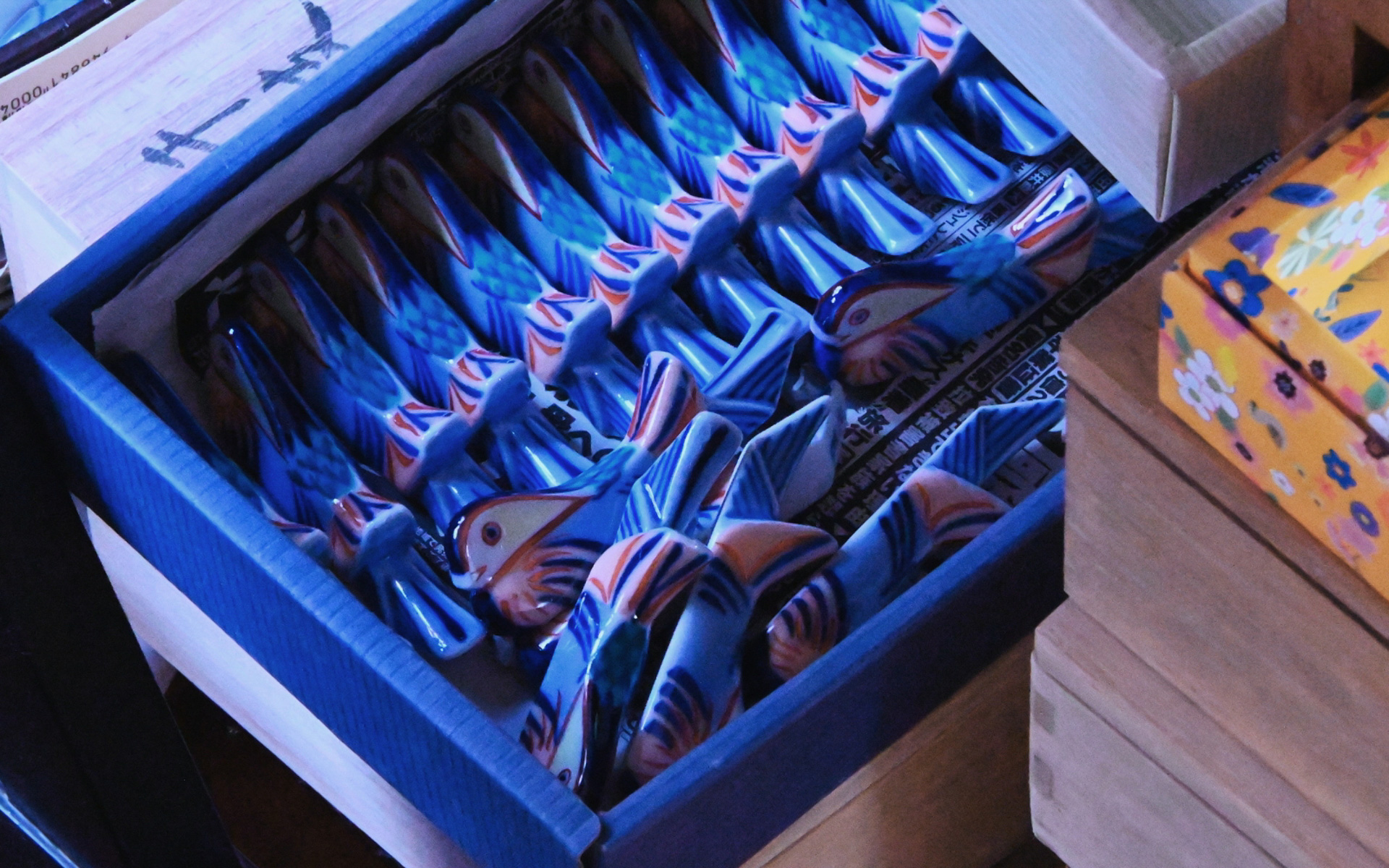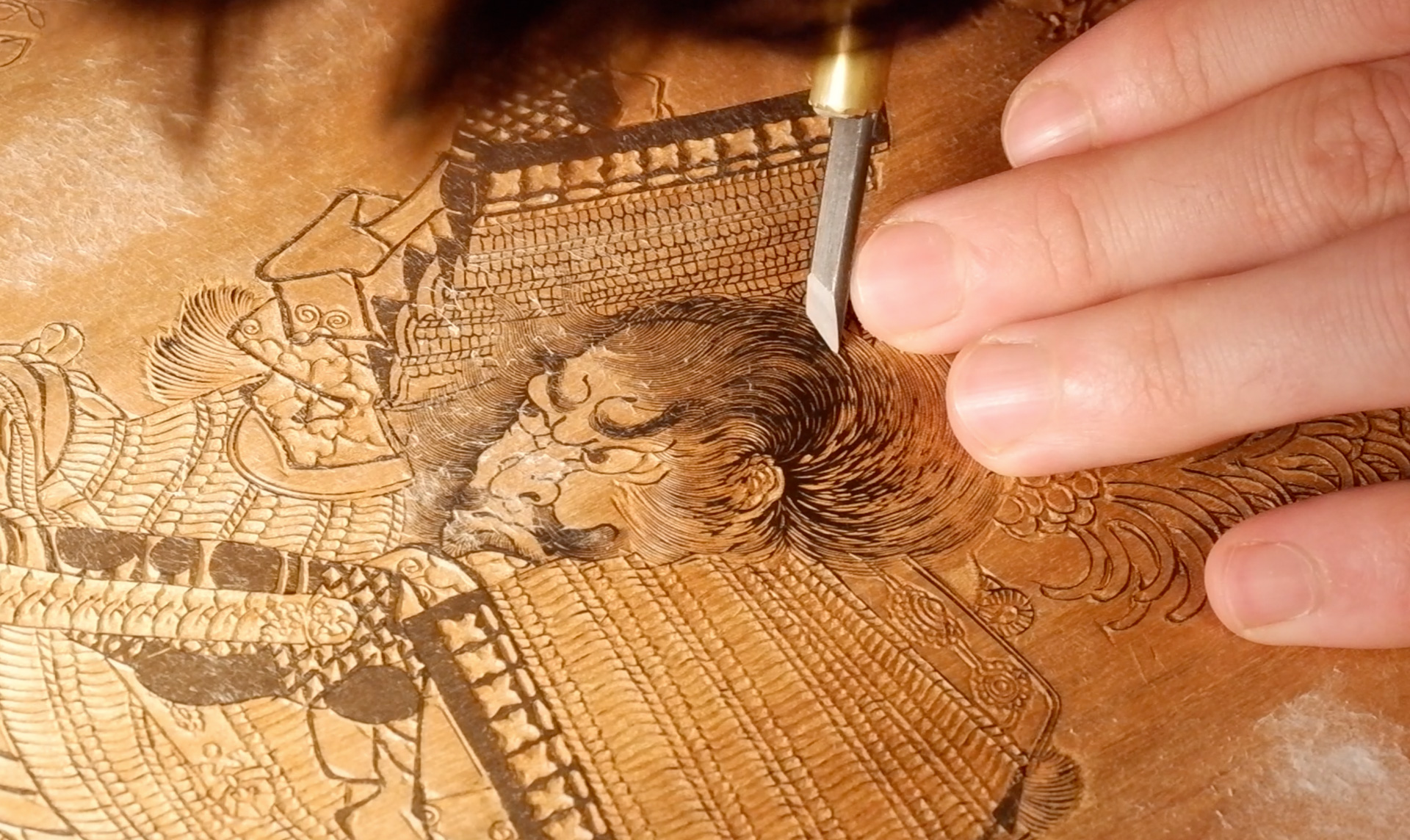
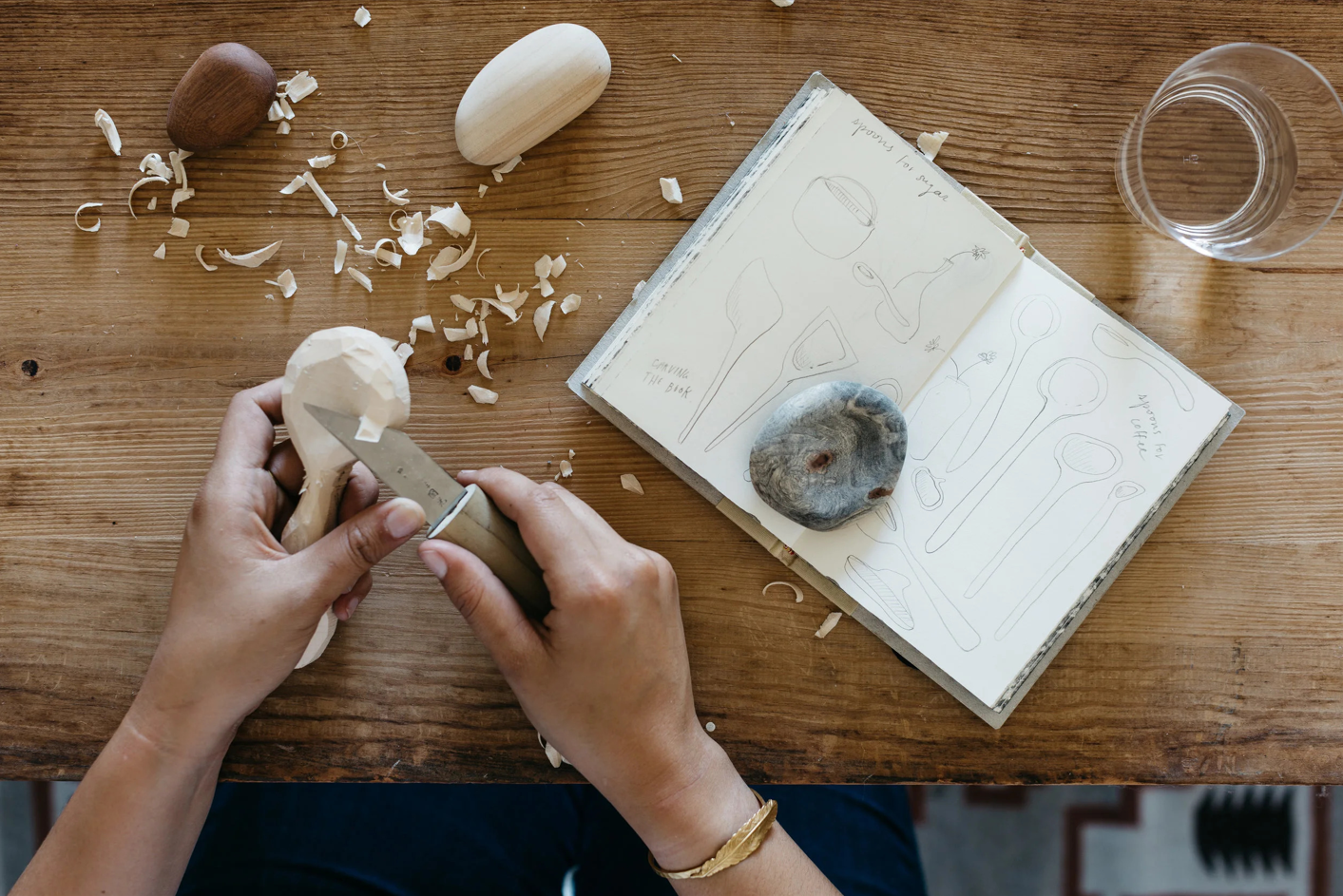
For designer and woodworker Melanie Abrantes, Japanese carving tools became the foundation for a creative community reaching far beyond her own studio. Through Mel’s Carving Club, she introduces beginners to woodworking using tools made by Michihamono, a family-run carving-knife manufacturer in Miki City, Hyogo Prefecture.
In this interview, Melanie reflects on building a decade-long relationship with Japanese toolmakers, visiting the people behind the blades, and how curiosity, responsible sourcing, and hands-on learning can help traditional craft cross cultural boundaries.
Building a Global Community Through Mel’s Carving Club
To start off, for those who might be discovering your work for the first time, could you tell us a bit about yourself and Mel's Carving Club?
I’m a designer and woodworker based between Oakland, California, and soon Porto, Portugal. I started Mel’s Carving Club during the pandemic when everyone was baking banana bread.
I wanted to create something that made carving easy, fun, and approachable. I began hosting free workshops online, and they became so popular that I eventually turned them into a subscription club where we could all learn to carve together. What started as a simple way to share my love of woodworking has grown into a global community of carvers, artists, and beginners who are learning, experimenting, and connecting through craft.
"What started as a supplier relationship has become something much deeper..."
Discovering Japanese Woodcarving Tools
How did you first become interested in Japanese tools and craftsmanship, and eventually discover carving-knife manufacturer Michihamono?
It started back in college where I studied Product Design at Otis College of Art and Design. One of my woodworking teachers introduced us to Japanese tools, and I was amazed by how beautifully they worked. The precision, the sharpness, the balance... I fell in love with them right away!
Over time, Japanese tools became my go-to because of the quality. I started researching where these tools came from and who made them, which led me to Michihamono, a family-run company in Miki City, Japan. Their dedication to quality and tradition really resonated with me. They make incredible tools that last a lifetime. I still use the same set I bought for my workshops years ago, and they work just as well as the day I got them.
Building Trust with Michihamono Over a Decade
You said you first contacted Michihamono over ten years ago and have been sourcing your tools from them ever since. Yuko-san, Michihamono's owner, even came to visit you in San Francisco in 2019. What do you remember about those first exchanges, and how did trust start to form between you?
When I first reached out to Yuko-san, I didn’t know what to expect. I was a young business owner reaching out from halfway across the world, just hoping to connect. She was a little surprised that I had found them but was so kind and open to helping me. At the time, I was designing carving kits made with high-quality tools and materials.
Over the years, I’ve continued to order from them, and that steady communication has built a real sense of trust and mutual respect. When Yuko and her daughter visited my studio in San Francisco, it felt like welcoming family. I showed them around the Bay Area, and we had such a great time together. I’ve always valued the importance of nurturing relationships, and I especially knew the importance with Japanese companies. It means a lot to have built something so genuine!
"There’s this incredible sense of pride and tradition, like everyone is helping carry forward something centuries old."
Meeting the People Behind the Tools in Miki City
What was it like finally visiting their factory in 2024 and meeting the people behind the tools you’ve been using and teaching with for so long?
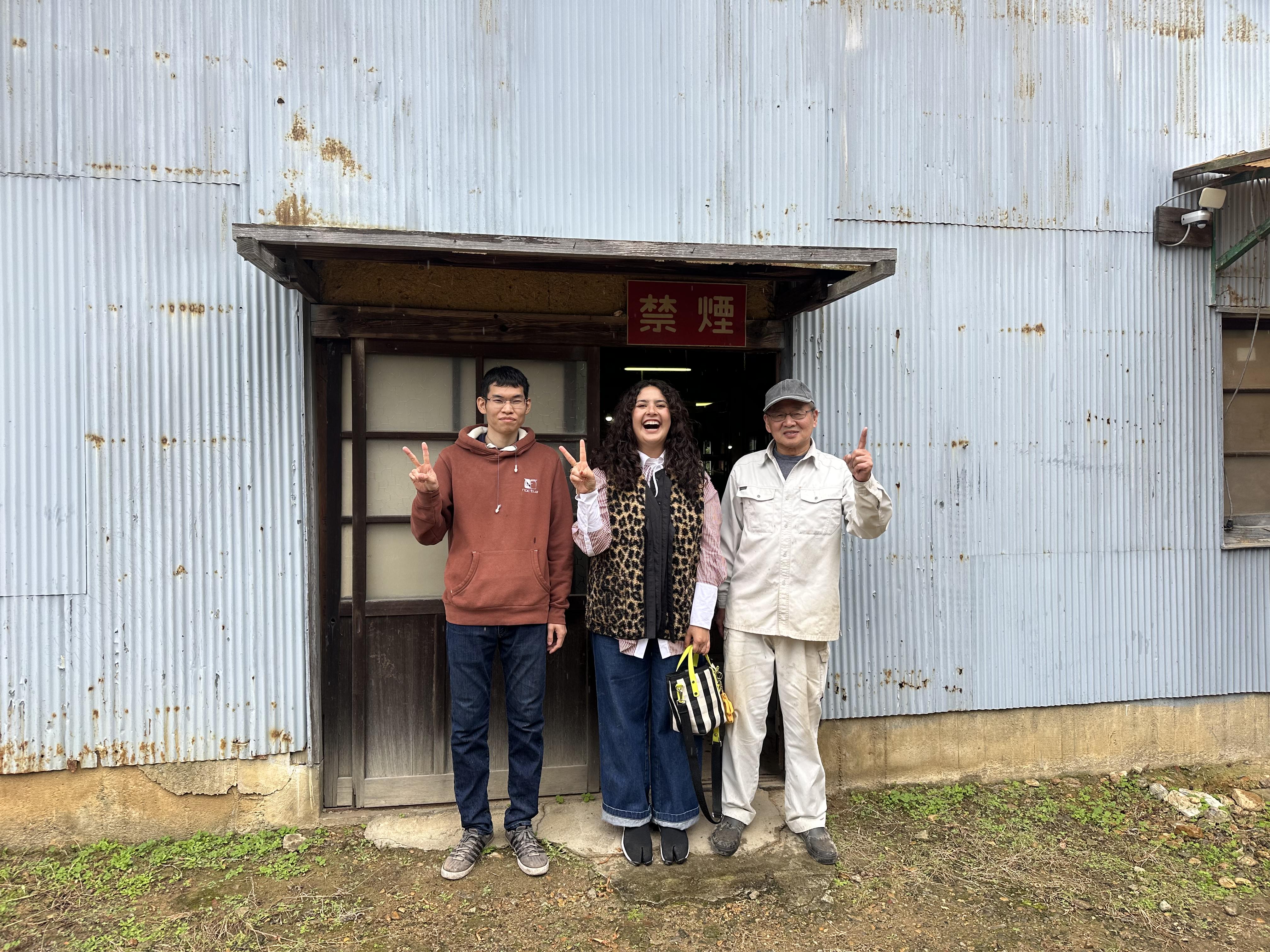
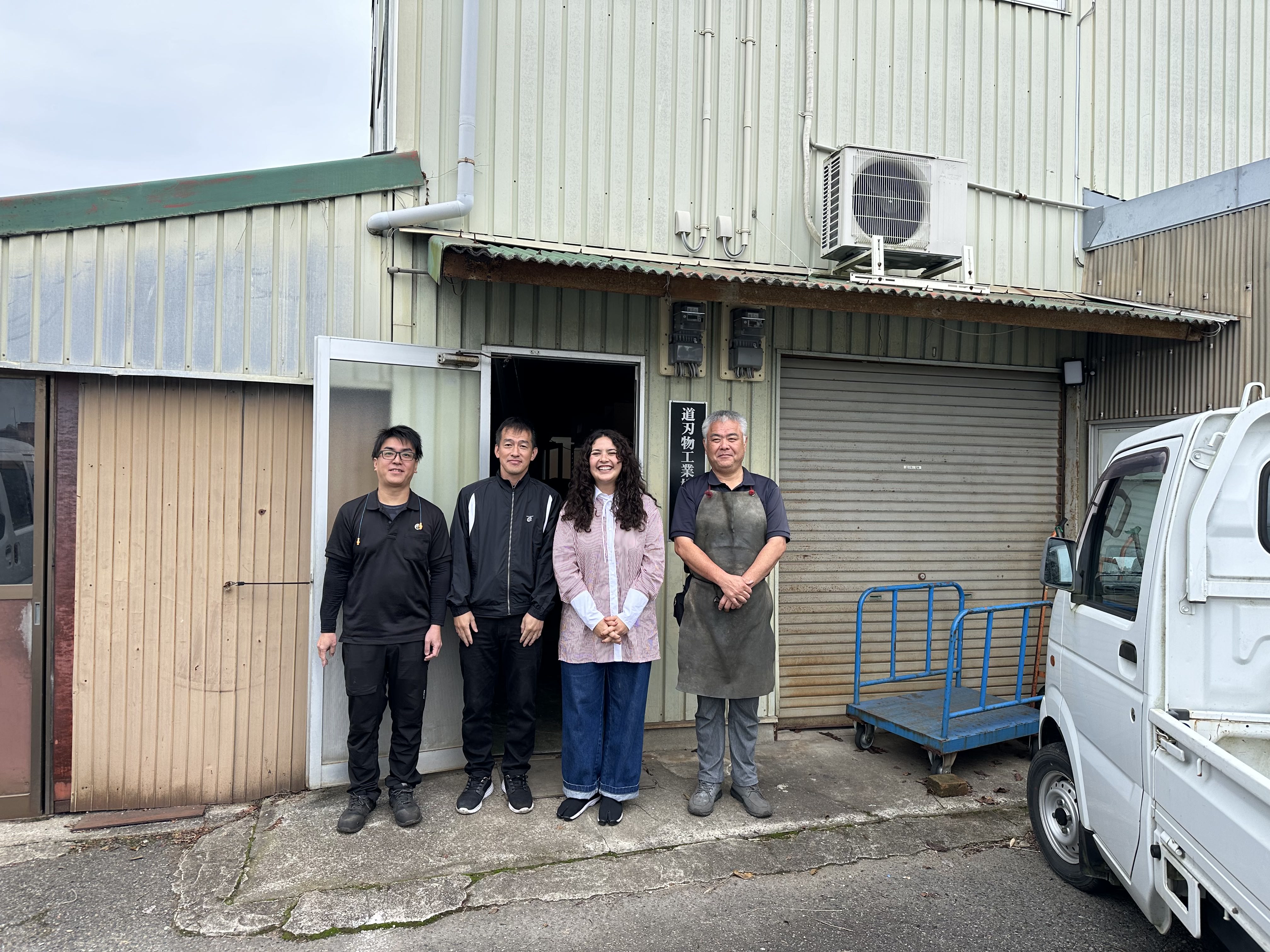
It was honestly one of the best experiences ever! Everyone at Michihamono was so kind and welcoming. They remembered how I hosted Yuko and her daughter in San Francisco and wanted to return the favor while I was in Japan. I spent time in both Tokyo where they have their shop and Miki City where they make the tools.
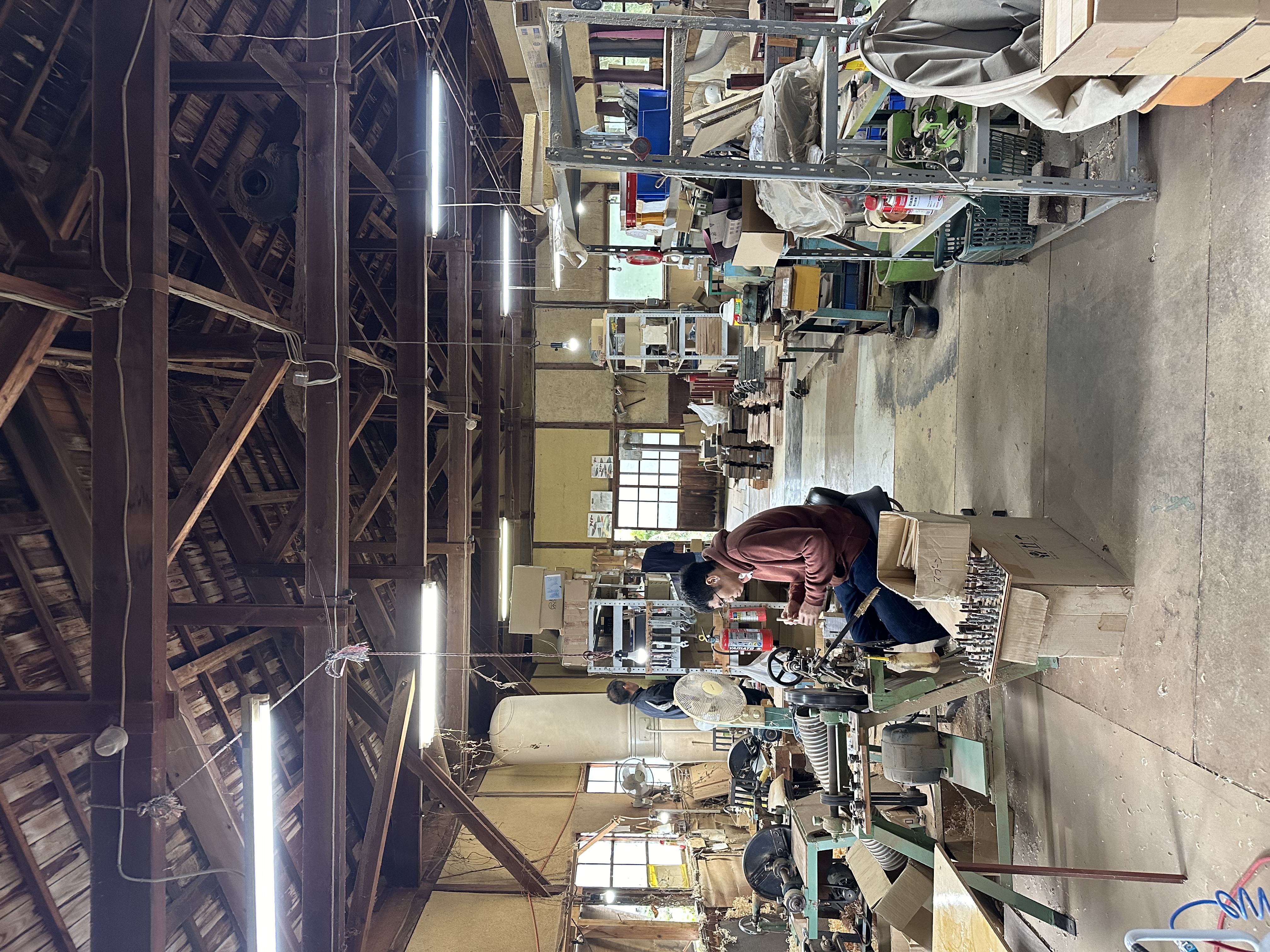
Walking into the workshop and seeing the makers who’ve been crafting every tool I’ve used for years was amazing. I watched them hammer, sharpen, and shape each blade by hand, and it gave me a whole new appreciation for the artistry behind every knife. Everything is still handmade, and the quality is incredible.
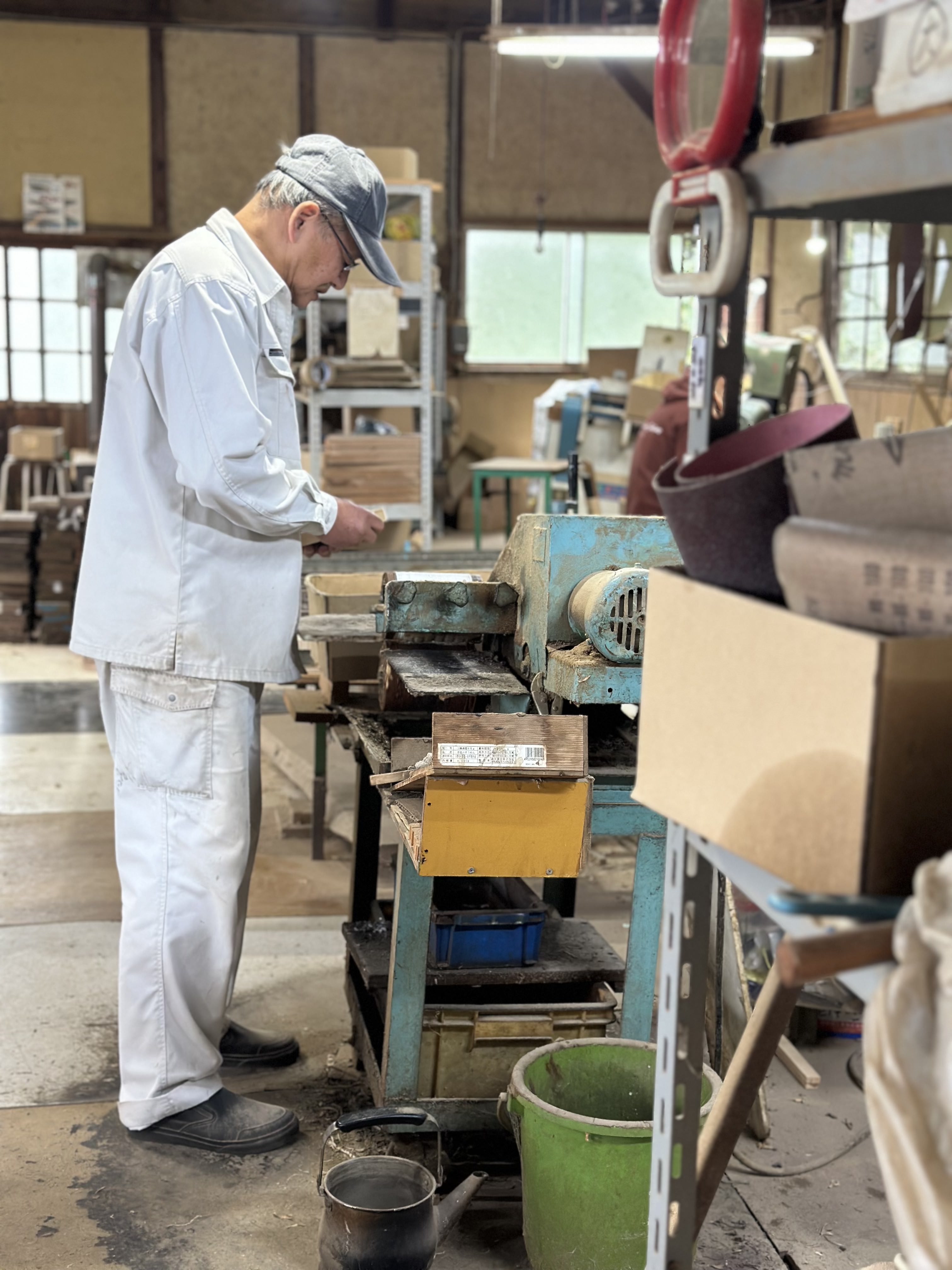
I met everyone, from the artisans to the people who pack the boxes, and felt so honored by how warmly they welcomed me. They even organized a few artisan meetups while I was there. It reminded me that real people are behind every piece I buy and share with others.
"They’re not just objects; they represent generations of skill and knowledge."
Experiencing the Miki Tool Festival
How did experiencing the Miki Tool Festival in person deepen your understanding of Japanese craft culture?
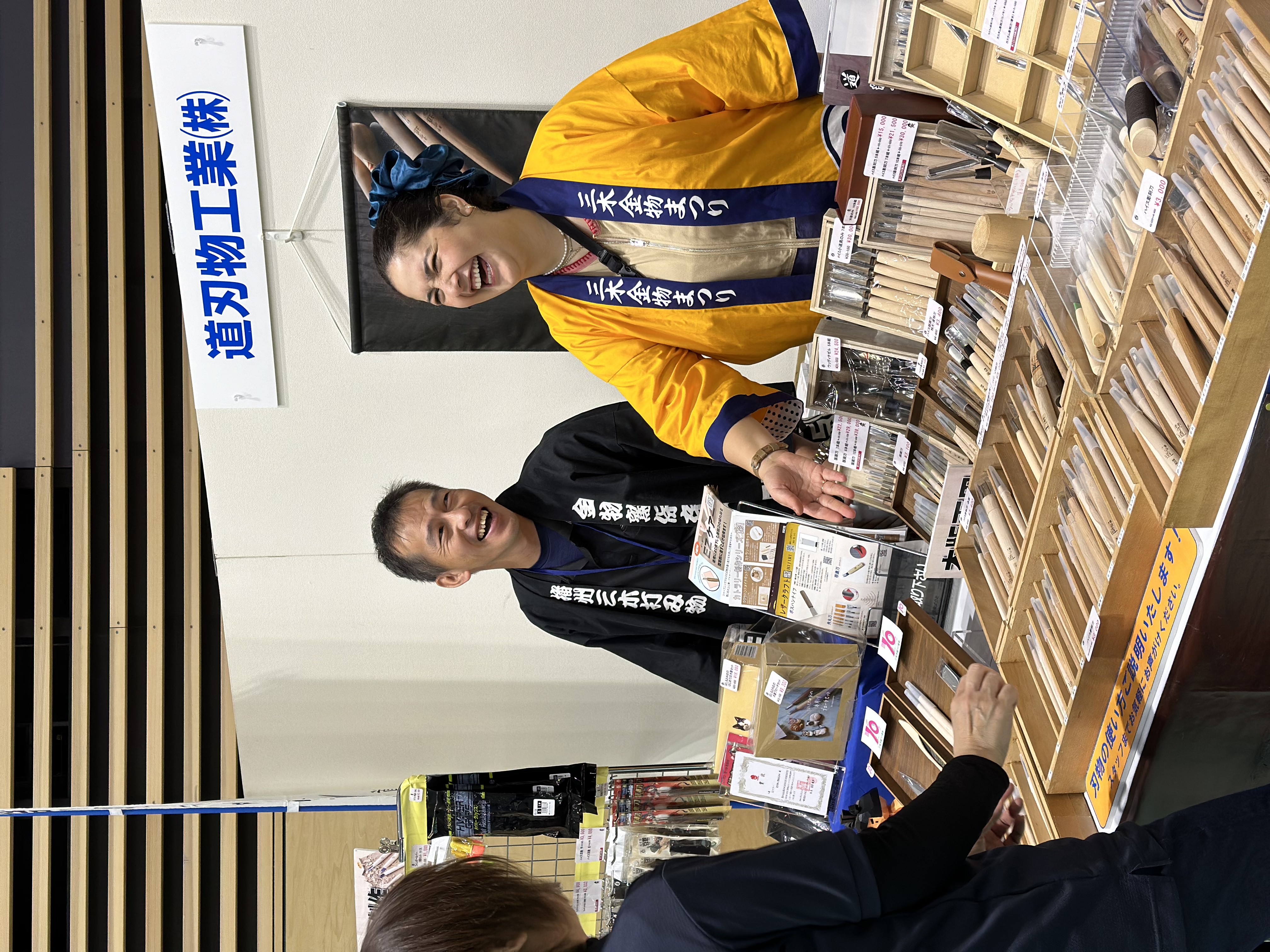
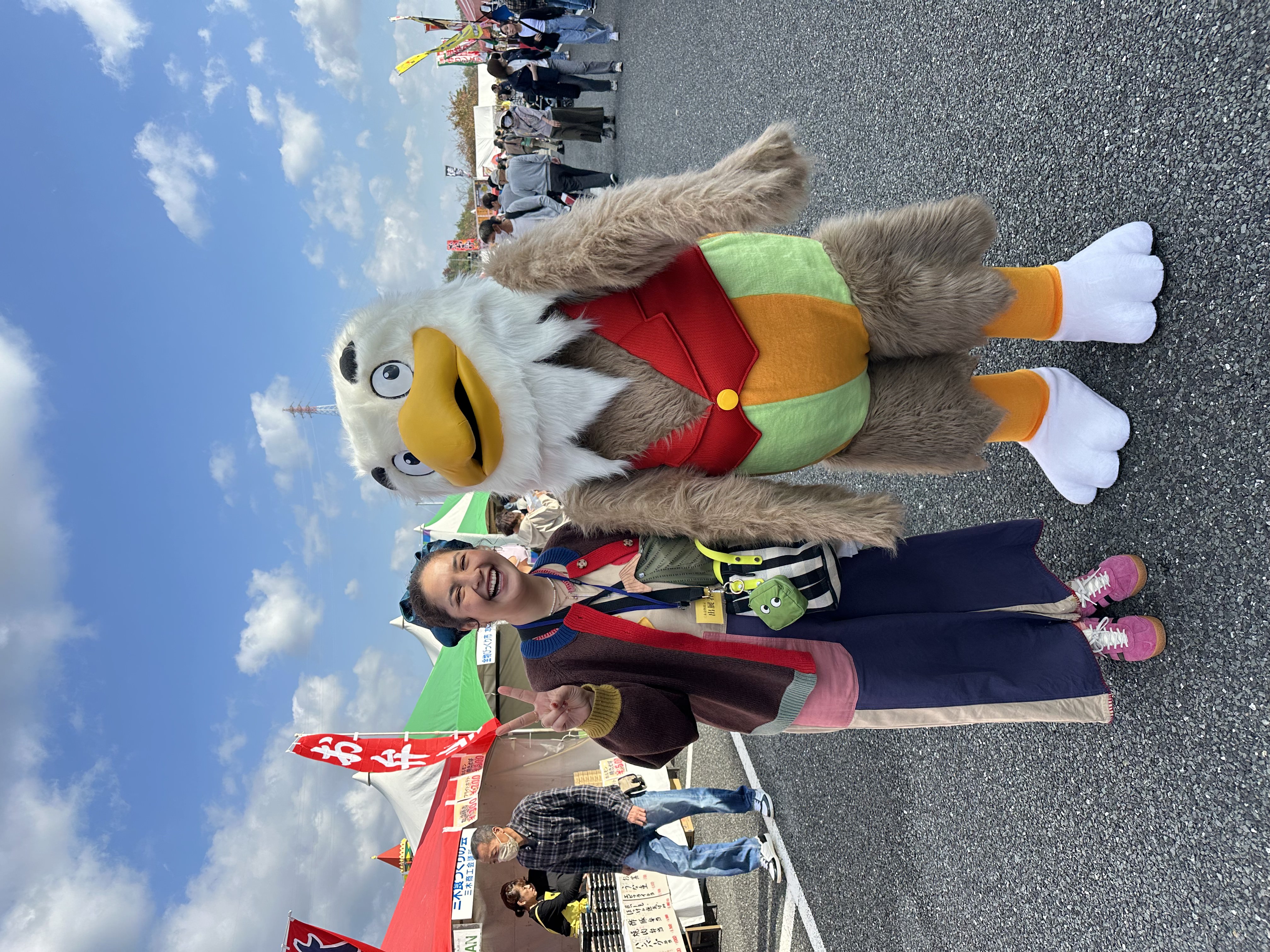
The Miki Tool Festival was so much fun to attend. It had been on my bucket list for years as a woodcarver! I was so excited to see all the tools and crafts on display. The festival is part celebration, part cultural preservation. Entire families come together to honor the tools and the craftspeople who make them.
There’s this incredible sense of pride and tradition, like everyone is helping carry forward something centuries old. It reminded me why I teach carving in the first place, to keep craft alive, one person at a time. I met so many talented craftspeople and saw amazing work coming out of one of Japan’s oldest toolmaking towns.
How Japanese Craftsmanship Shaped Melanie’s Teaching
Are there particular lessons or values from Japanese craftsmanship that have shaped the way you design or teach today?
The biggest one is patience. Japanese makers have such deep respect for process. They never rush the outcome, and that’s something I try to share with my students. Focus on rhythm and repetition, not perfection. The beauty is in the process itself. I’ve also adopted the belief that tools should last a lifetime, both in their quality and in the connection we form with them.
What Japanese Toolmakers Hope for the Future
When talking with the toolmakers and carvers you met in Japan, did they ever share their hopes or dreams for the future of their craft, and how they feel about people overseas who want to learn from them?
Yes, we talked about that a lot. Many of them worry that younger generations in Japan aren’t continuing traditional crafts, so some of these skills could disappear over time. The tools are expensive to make, but there’s a growing appreciation for them abroad, which helps sustain the craft. They were genuinely touched that people overseas, especially beginners and women, are learning with their tools. That global interest means a lot to them.
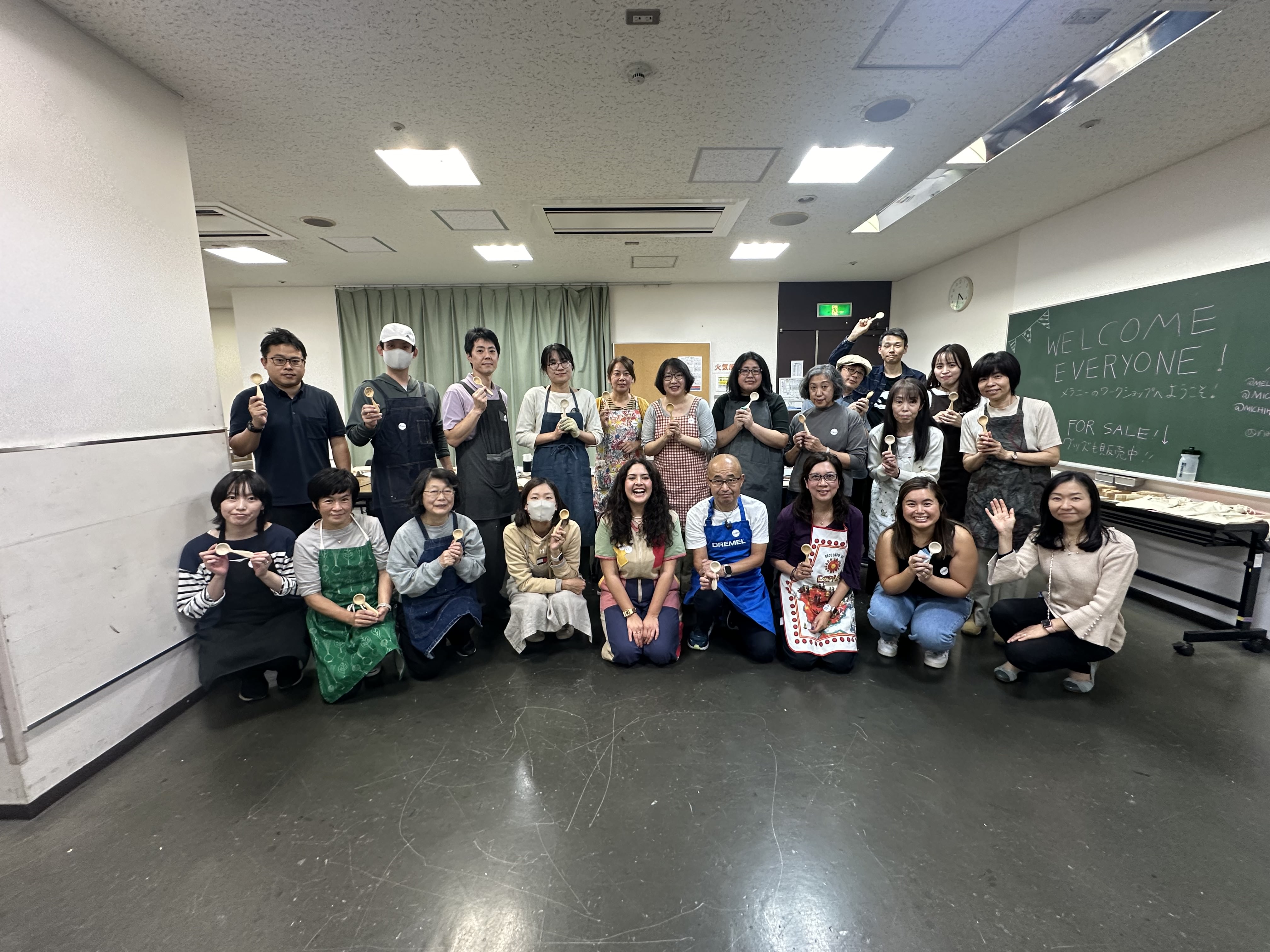
I’ve also started using some traditional tools in new ways, giving them a second life and introducing them to different kinds of projects. There’s such a beautiful exchange in that. We learn from them, and our enthusiasm helps their traditions stay vibrant.
How to Source Japanese Tools Responsibly
For those who admire Japanese tools or traditions but are just starting to explore, what do you think is the most respectful and meaningful way for them to learn or source responsibly?
Start with curiosity and respect. Take the time to research where your tools come from and make sure you’re supporting reputable makers with a real history of craftsmanship. That’s exactly what I did before connecting with Michihamono.
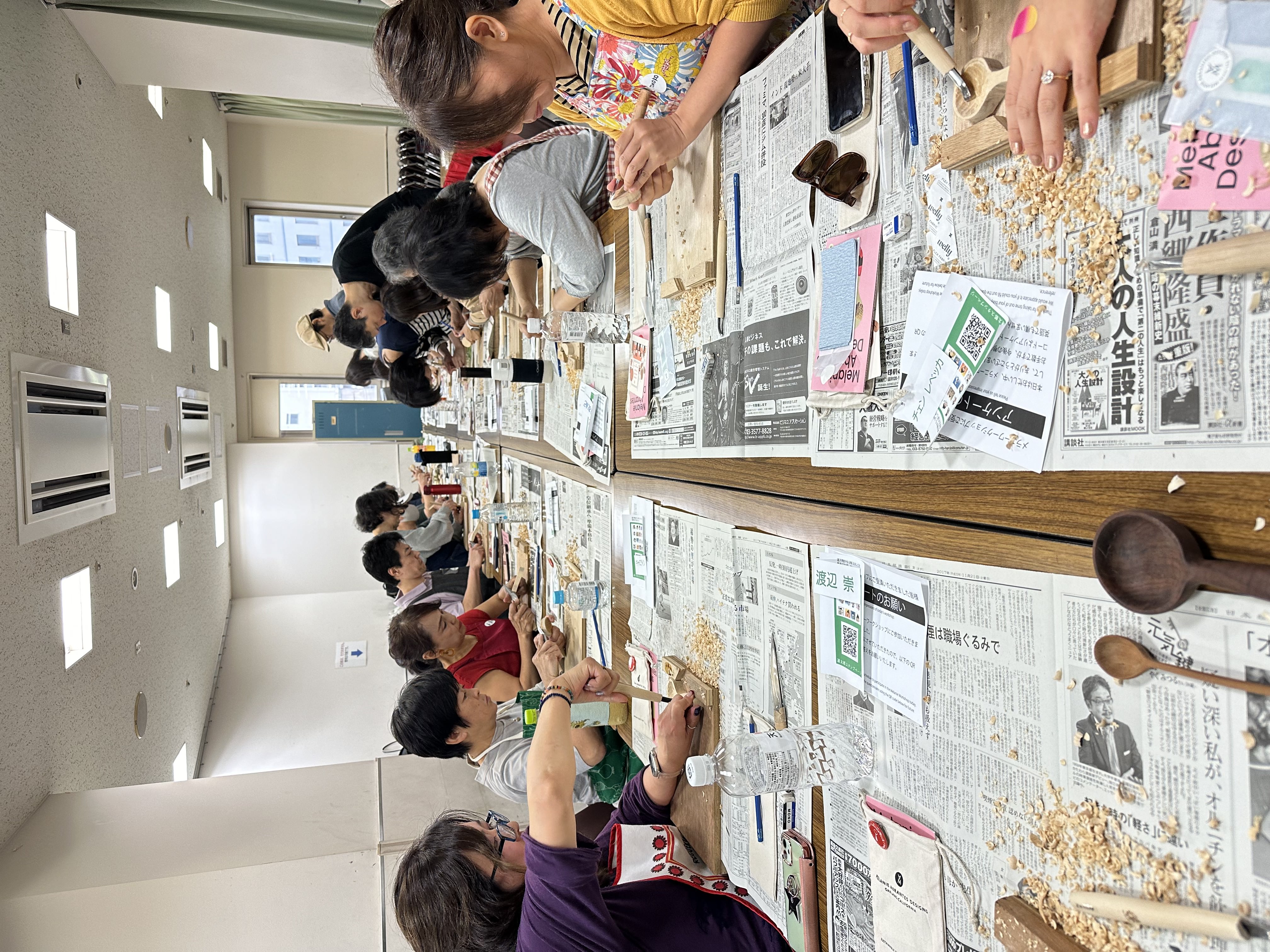
Support the small companies and artisans who are keeping these traditions alive instead of buying mass-produced versions. And when you use the tools, care for them. They’re not just objects; they represent generations of skill and knowledge.
From a Supplier Relationship to Lasting Friendship
Looking back on your decade-long relationship with Japanese makers, what stands out to you the most about how that connection has evolved?
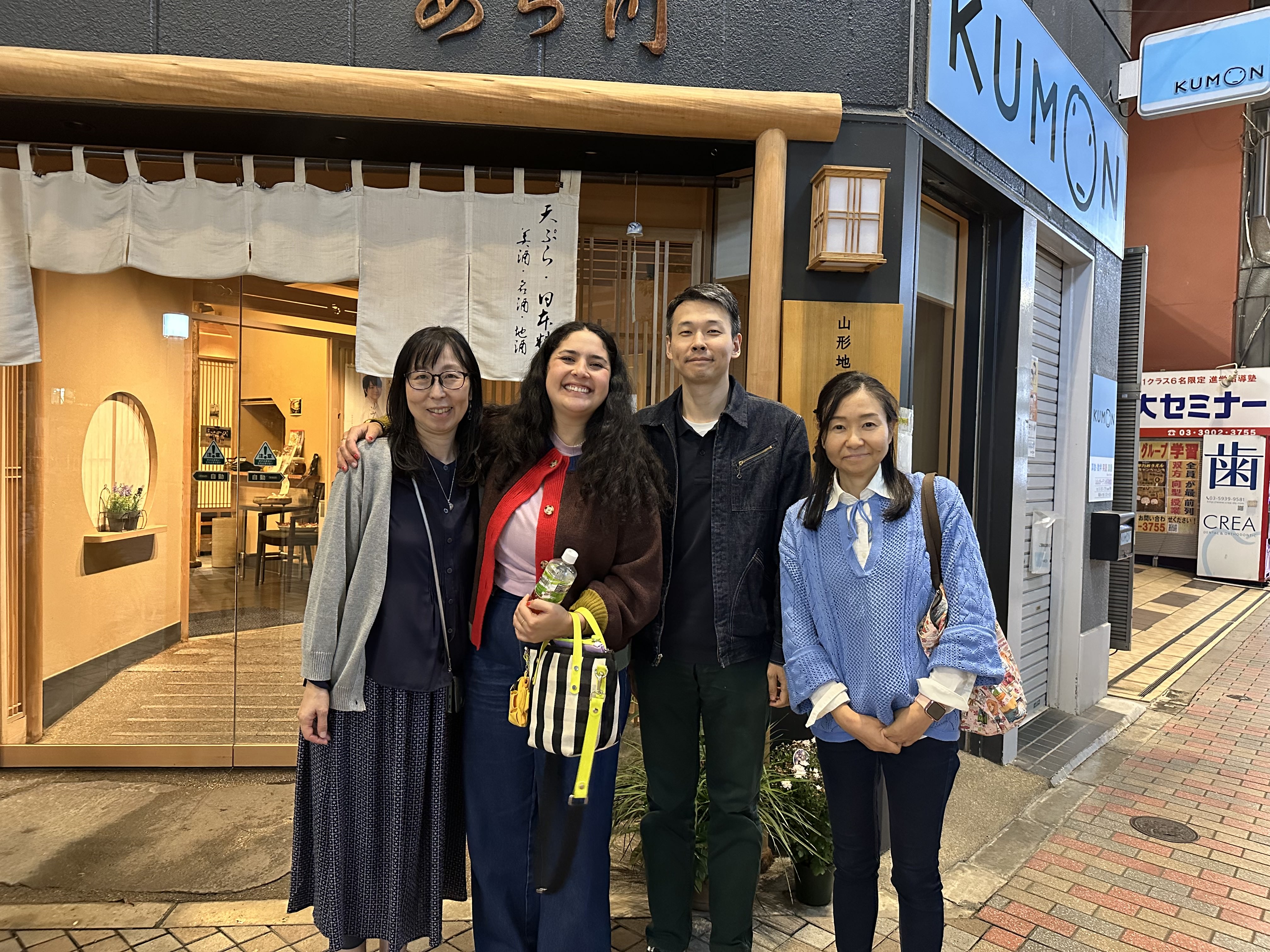
It’s grown from being about tools to being about community and friendship. What started as a supplier relationship has become something much deeper, built on shared values and mutual respect. At the end of my trip, we had a big dinner together, and we all cried because we were so happy to spend time together. It’s one of my proudest moments as a business owner because it represents a real, lasting connection. Every year, that relationship deepens, and I feel more inspired to honor it through my designs and the way I teach.
Helping Beginners Start Carving with Japanese Tools
You’ve introduced your carving kits as a way for people to experience handcraft firsthand. How do those kits, and the Japanese tools within them, help others begin their own creative journeys?
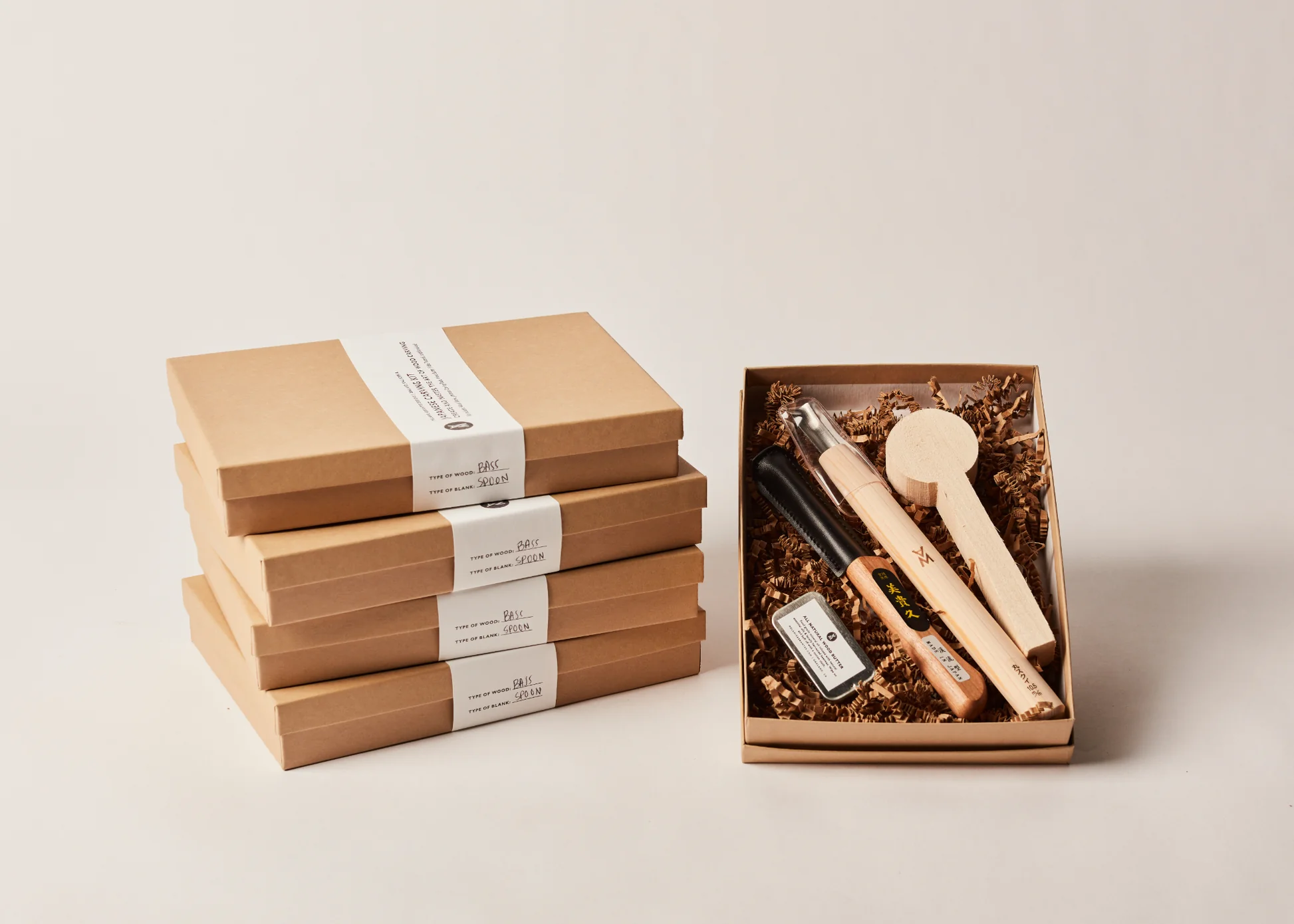
The kits are an open invitation to experience the joy of making something by hand. Each one includes everything you need to get started: tools, materials, and guidance. The Japanese knives are the heart of the kits because they reflect that same philosophy of intentional, thoughtful craft.
My hope is that when someone picks up a tool from one of our kits, they not only make something beautiful but also find a sense of calm, focus, and connection. That’s exactly what carving gave me when I first started, and it’s what I love sharing with others.
Join Mel's Carving Club and browse Michihamono tools at melanieabrantes.shop, and follow Melanie on Instagram and TikTok as @melanieabrantesdesigns.
You can also follow Michihamono on Instagram, Facebook, and watch more of their videos on their Youtube channel, @CARVYmichi.
Want to discuss this article? Check out the "Japan Handmade Forum" on Discord to join the conversation!
Know someone we should interview next? Send us a recommendation at hello@bottlecap.jp
This page may contain affiliate links, and Bottlecap may earn a commission at no extra cost to you.