After moving from France to Japan, Victoria Guerin found a new sense of purpose in Bizen, a rural city in Okayama Prefecture known for pottery, fishing communities, and centuries of cultural heritage. Through local revitalization work, tourism, and Villa Shinobi, she now helps connect visitors with the craftspeople and traditions shaping the region.
In this interview, Victoria reflects on building a life in Japan, what makes Bizen ware distinctive, and why preserving rural culture also requires adaptation, international exchange, and opportunities for younger generations.
What is Bizen ware?
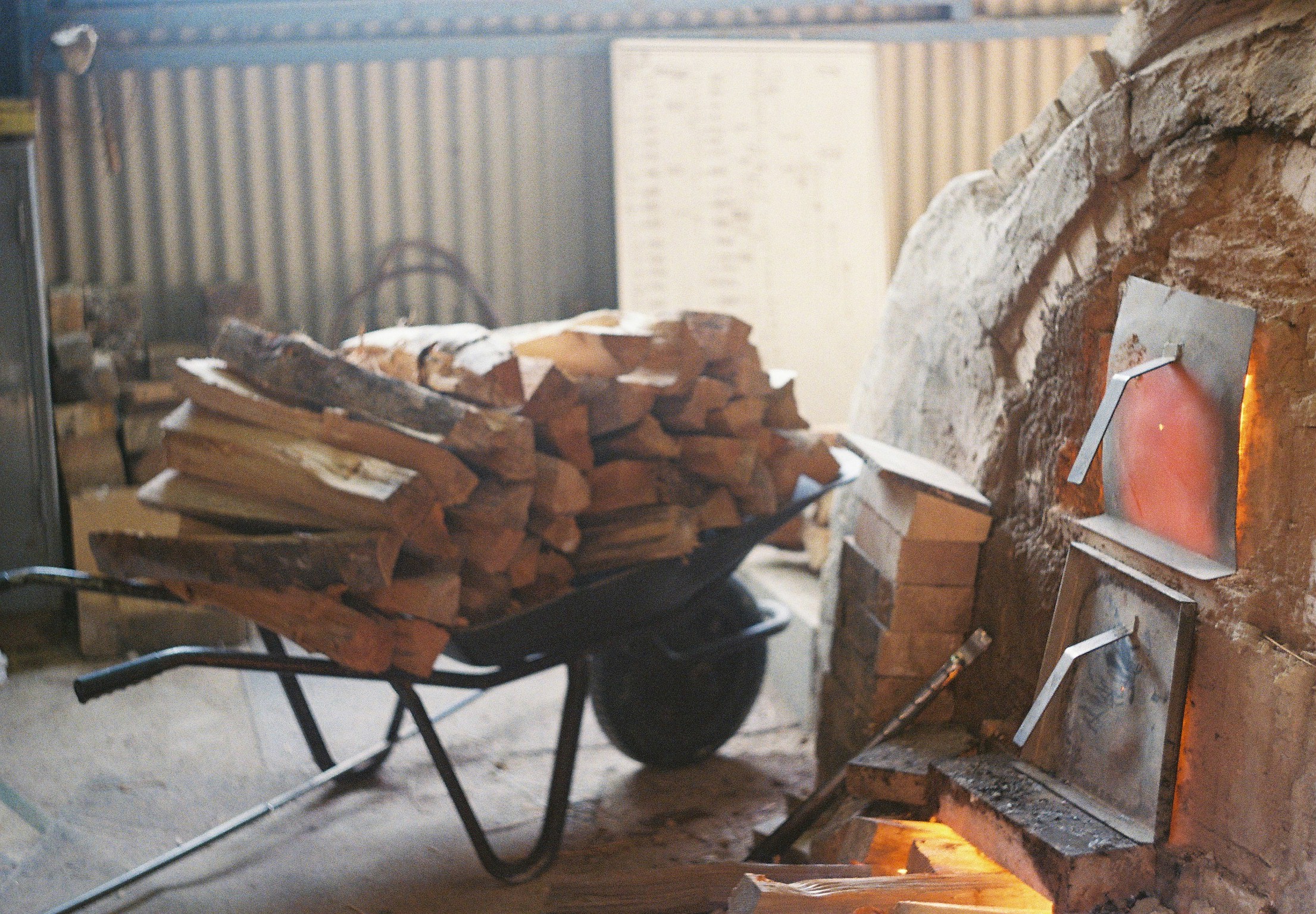
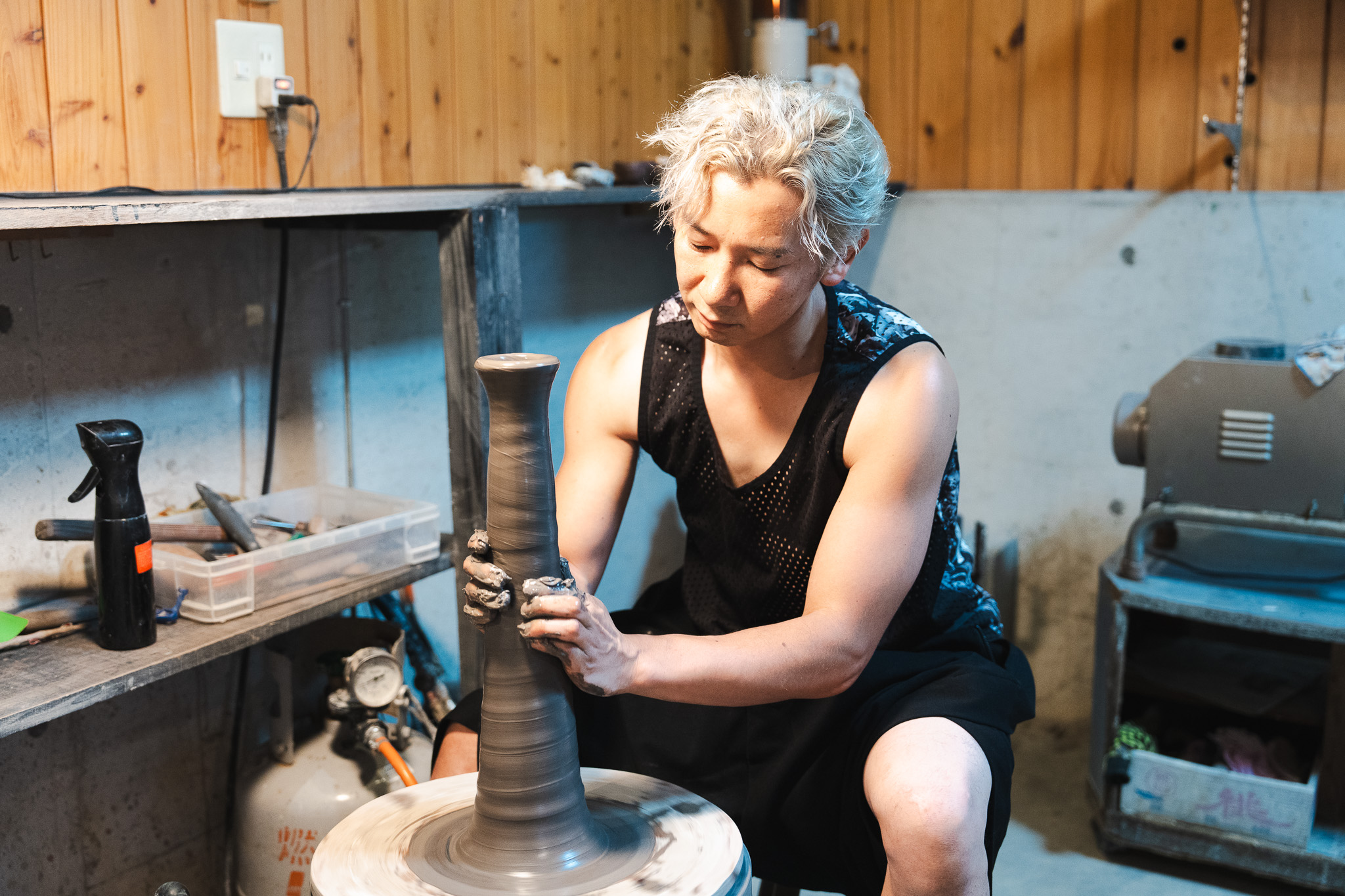
Bizen ware, or Bizen-yaki, is an unglazed pottery tradition from Bizen in Okayama Prefecture and one of Japan’s Six Ancient Kilns. Its colors and surface patterns emerge naturally as local clay is fired at high temperatures, with flames, ash, charcoal, and the position of each piece shaping the final result.
How a Childhood Interest in Japan Led Victoria to Bizen
What first drew you to Japan, and how did that dream eventually lead you all the way to Bizen?
Like many people my age in France, I grew up surrounded by bits of Japanese culture; animation, video games, and music. It felt so different, and since the internet wasn’t as open back then, Japan had this kind of mystical image that fascinated me. I never really fit in at school or even within my family, and those cultural elements were a way to escape. I always thought, “I’d love to go there someday.”
Ironically, coming to Japan happened quite randomly. I met my partner in France, who is Japanese, and he encouraged me to go abroad to experience another culture. At the time, I was lost, stuck in my studies, lacking motivation, going through family issues, and feeling trapped. He told me it might help to leave France for a few months or a year.
So I applied for a Working Holiday Visa, which was easy to get, and within a few months I was on a plane to Japan. I first lived in Hiroshima for two years, and during vacations, I’d visit Bizen since my partner’s family is from there. I fell in love with both places.
Finding Direction Through the Goal of Moving to Japan
Before you came here, you mentioned that life was quite difficult—working as a cleaner, studying online, and trying to find direction. Looking back now, what kept you going during that time?
Honestly, not much. I was hanging by a thread. I couldn’t find much motivation to do something for myself, but I always wanted to do something meaningful, something that could help others. I realized that to help people, I first needed to help myself, to become stable and build some skills. Having one clear goal, going to Japan, gave me motivation. It became my project, something to hold onto.
Another big dream of mine was earning a university degree. I know it’s not a huge deal for everyone, but in my family, education isn’t common. My mom and stepfather both left school at 12, and none of my siblings went beyond high school. So for me, it was a big achievement.

Beginning a New Life in Japan During the Pandemic
You arrived just before COVID hit. How did those first two years shape your experience and your relationship with Japan?
I felt both lucky and unlucky to be in Japan during COVID. Compared to Europe, Japan handled it well; people were already used to masks, places were clean, and there wasn’t a harsh curfew.
I got to visit places like Kyoto, Tokyo, and Osaka with almost no tourists - which feels impossible now. The Go To Travel campaign also made hotels more affordable, which was nice.
But there was a sad side too. I couldn’t see people’s faces (because of the masks) and as a foreigner I constantly worried Japanese people might assume I was a tourist bringing COVID. Finding part-time work was also tough since hostels and guesthouses didn’t need staff. I even considered returning to France after six months. Eventually, I found work as an English teacher, which helped a lot. Overall, I was lucky to be in Japan during that time, but it wasn’t the fun Working Holiday experience I had imagined.
Discovering a Purpose in Bizen’s Culture and Community
At what point did you realize that Bizen—and its people, crafts, and traditions—were what you wanted to dedicate your energy to?
I used to visit Bizen just for fun and to see my partner’s family. One day, we heard that someone from Osaka who owned a vacation house on Kashirajima Island wanted to sell it before passing away. We visited, fell in love with the place, and it became what is now our private ryokan, Villa SHINOBI -忍-.

Since I wasn’t married, I needed a visa that would allow me to stay in Japan. That’s when I discovered the Chiiki Okoshi Kyoryokutai program; the local revitalization project of Bizen City. It turned out to be the perfect opportunity.
Through that job, I learned deeply about the area, got close to locals, and understood how I could help. I had no background in tourism or cultural PR, nor any knowledge of pottery or fishing culture, but after three years of immersion, I became able to explain Bizen’s culture in three languages (well, maybe two more than the others...).
What Makes Bizen Different from Other Parts of Japan?
For those who have never been, how would you describe Bizen? What makes it feel different from other parts of Japan?
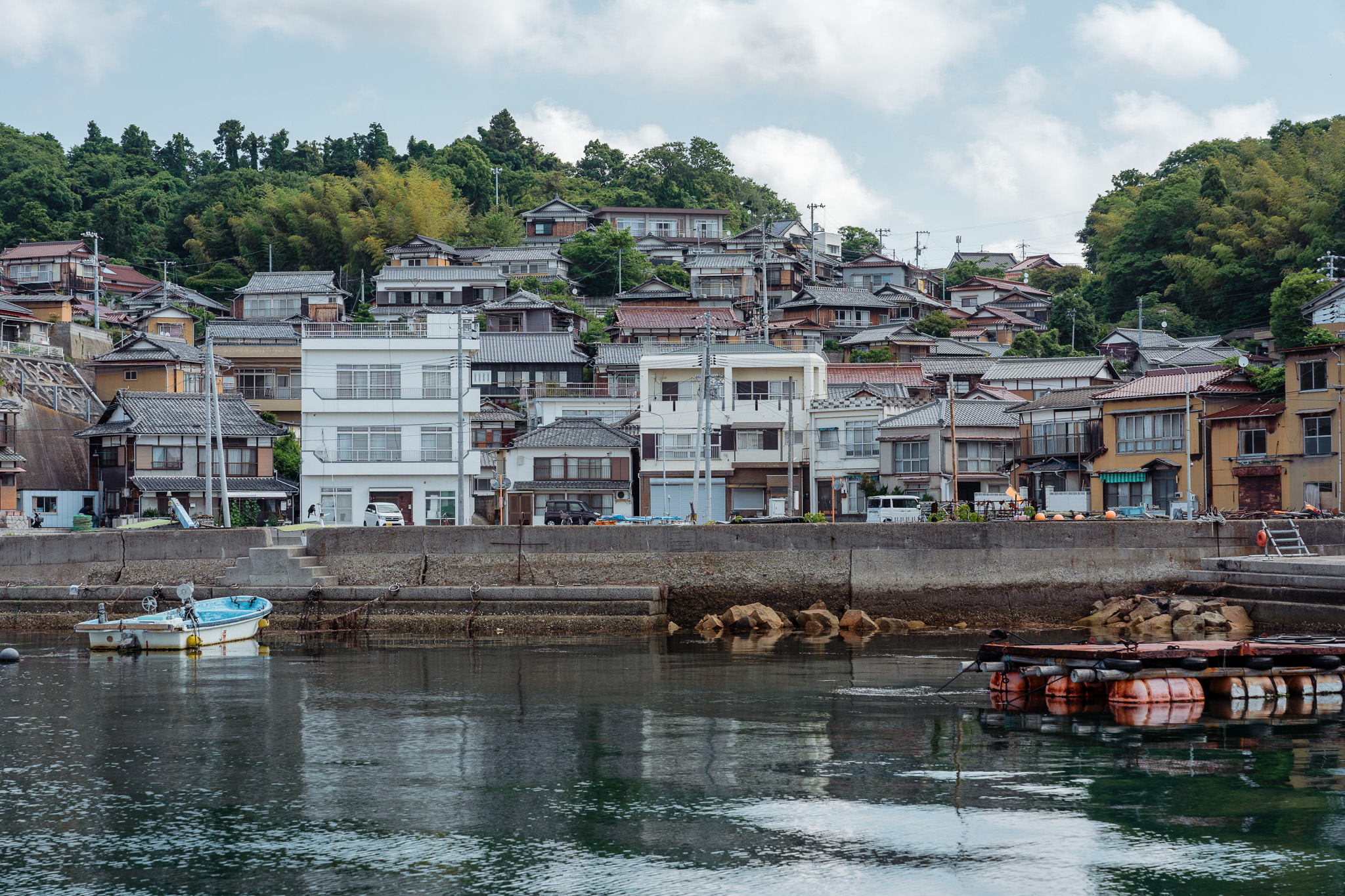
Bizen is a town rich in cultural heritage and blessed with beautiful, untouched landscapes. Historically, it was one of Japan’s “superior provinces” (上国) and close to the capital. It’s home to Shizutani School, the country’s first public school, which still stands today. Bizen also has a strong fishing culture in Hinase and its oysters even won the grand prize at Japan’s national oyster contest. And of course, it’s famous for its striking, unglazed traditional pottery known as Bizen ware (Bizenyaki).

How Clay, Fire, and Ash Shape Bizen Ware
Bizen pottery is famous but still feels very local and mysterious to many people. What makes Bizen Ware so distinct, and what fascinates you most about it?
Bizen ware has been made the same way for over 800 years; the same clay, the same kilns, the same techniques and yet artists still find new shapes, designs, and ideas. They blend tradition and innovation beautifully.
What amazes me is how much the artists do on their own: digging and filtering the clay, shaping, firing, cleaning, and even photographing and selling their work. For many, that self-sufficiency is part of their pride.
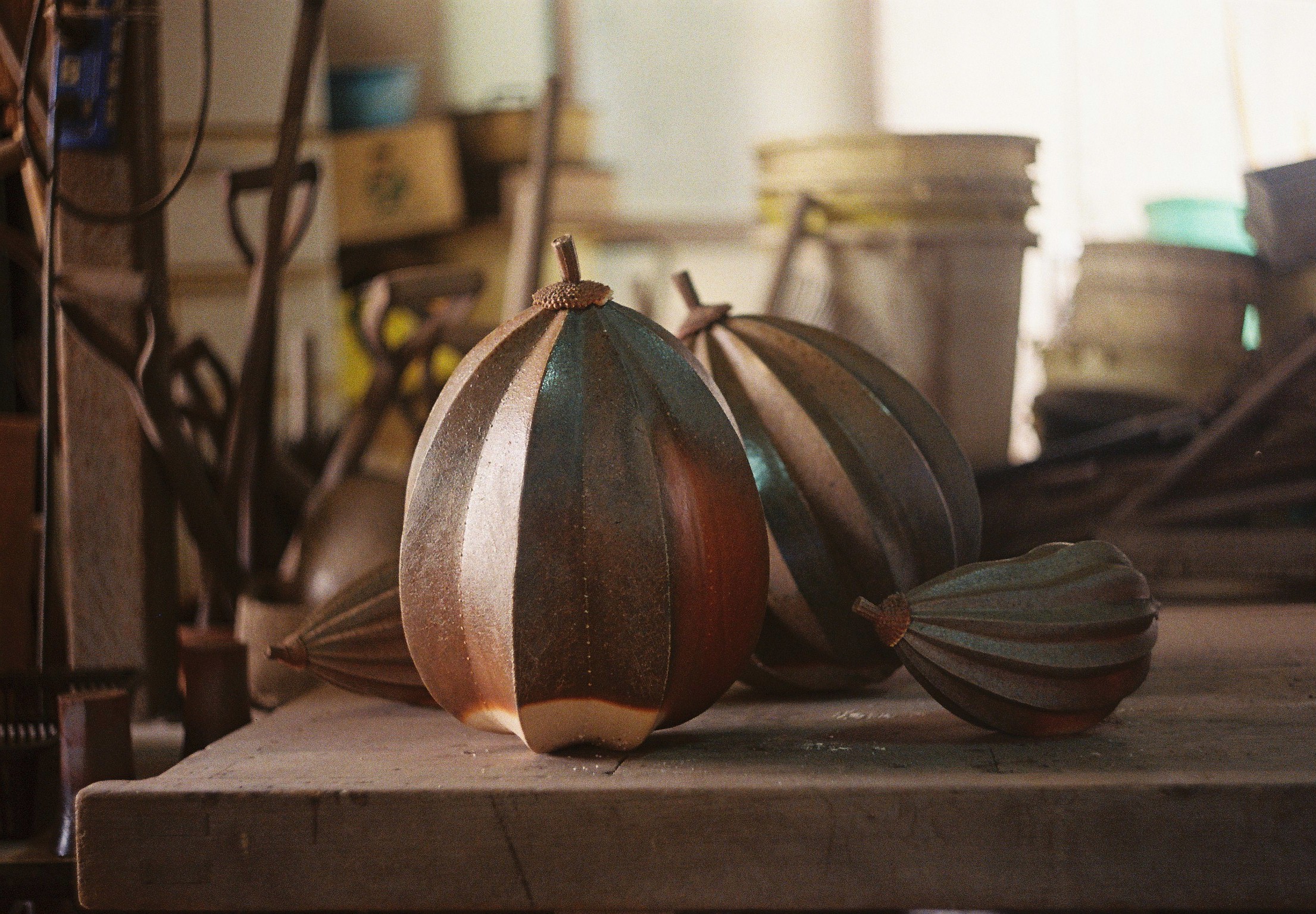
Because it’s unglazed, the color is usually earthy or reddish-brown - though there are also white, black, and blue Bizen variations. It may not appeal to everyone at first, but once people understand the process and philosophy behind it, they often fall in love with it.
Balancing Tradition and Innovation in Bizen Pottery
What are the local potters and artisans like? Have you noticed any shared philosophy or way of life that defines the Bizen community?
It might sound surprising, but some potters are too attached to tradition. Preserving it is essential, of course, but refusing to evolve can be just as dangerous as forgetting it.
I’m not talking about making it trendy or superficial, but times change; the economy, people’s values, and how they spend money all evolve. Some artists understand this and are finding ways to adapt while still honoring tradition. I think that balance is the key to keeping Bizen ware and any traditions alive.
Connecting Visitors with Bizen’s Local Communities
Now that you worked with the city as a Revitalization Member, how do you help connect local people with visitors or the global community?
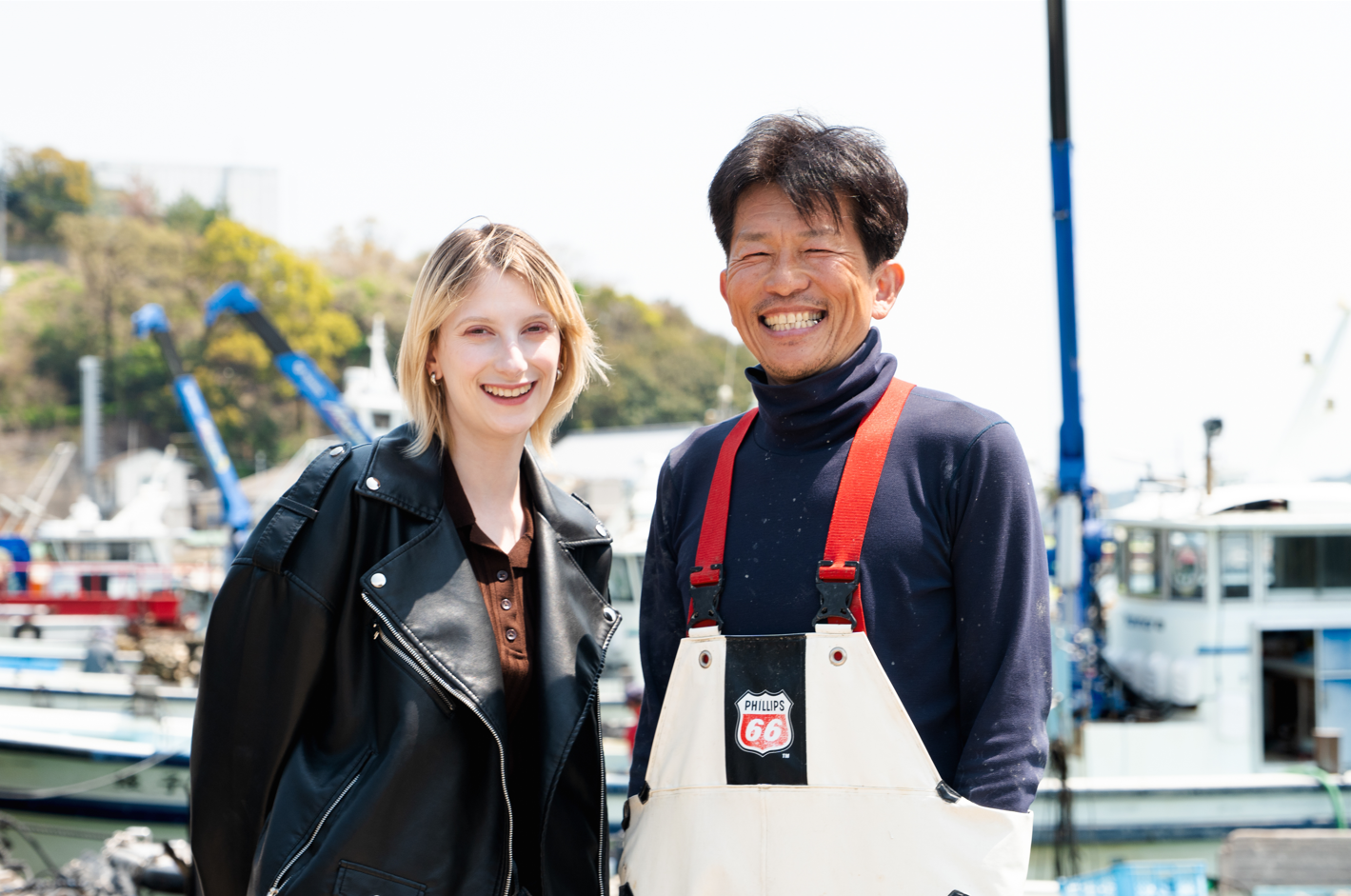
I organize tours that connect visitors directly with local experts - fishermen, potters, martial artists, and others. For example, in Hinase we take visitors out on boats with fishermen who explain their history and methods, and sometimes we even catch dinner together. I translate and coordinate, so both sides can truly exchange and enjoy the moment. I also help local businesses learn how to welcome international guests, from offering advice on cultural communication to translating menus or websites.
I also introduce the city and its culture for people who may have never heard of Bizen on SNS (Instagram, TikTok, a little bit on Facebook, too).
The Challenges Facing Bizen and Rural Japan
From your perspective, what are the biggest challenges Bizen, and countryside Japan in general, are facing right now?
The biggest issue is the lack of people, especially young workers. Most young people move to bigger cities for jobs, and the countryside is left with an aging population. Many people around me are retired but keep working because there’s simply no one else. That and the lack of interest from many Japanese people for traditional craft and pottery.
%20huitres.JPG)
What Regional Revitalization Means in Practice
What does “revitalization” mean to you personally? Is it about preservation, reinvention, or something in between?
Both. Preserving culture and traditions is vital, but it’s equally important to adapt to the present. What worked decades ago might not work now. During Japan’s Bubble Era, Bizen ware was popular among people who could afford it. Today, mass-produced ceramics are cheap and easily available, so artists must find new ways to stay relevant and without losing authenticity.
As for me, I see myself as a “bridge”, someone who can help with revitalizing, making things move a little faster but while listening what the locals want.
Experiencing Japan Beyond Its Major Cities
You often talk about showing people the “real Japan beyond Tokyo.” What do you wish more visitors understood or experienced when they come here?
It’s natural to want to see Tokyo, but I wish more people understood how unique it is to explore beyond it. Traveling isn’t just about checking off famous spots; it’s about creating your own experience.
I also believe tourism should be more respectful - toward the planet, and toward the people who live here. If visitors spread out to smaller towns instead of concentrating in a few cities, it would benefit everyone.
And while Tokyo is part of Japan, heavy tourism has changed some experiences - fake matcha, overpriced kimono rentals, and “Instagram spots” that lose their meaning. Staying longer in one place, taking time to connect with locals and understand their culture, leads to a deeper, more authentic experience.

How Travelers Can Support Bizen’s Crafts and Traditions
For people around the world who care about Japanese crafts and culture, what can they do, big or small, to help support places like Bizen and the people keeping its traditions alive?
Visit at least one place known for traditional crafts, whether it’s Bizen or somewhere else, and learn about it directly from locals or guides. When buying souvenirs, maybe choose fewer mass-produced items and instead invest in one handmade piece by an artisan.
And when sharing Japan with others, include smaller towns in the story. That simple act can already make a big difference.
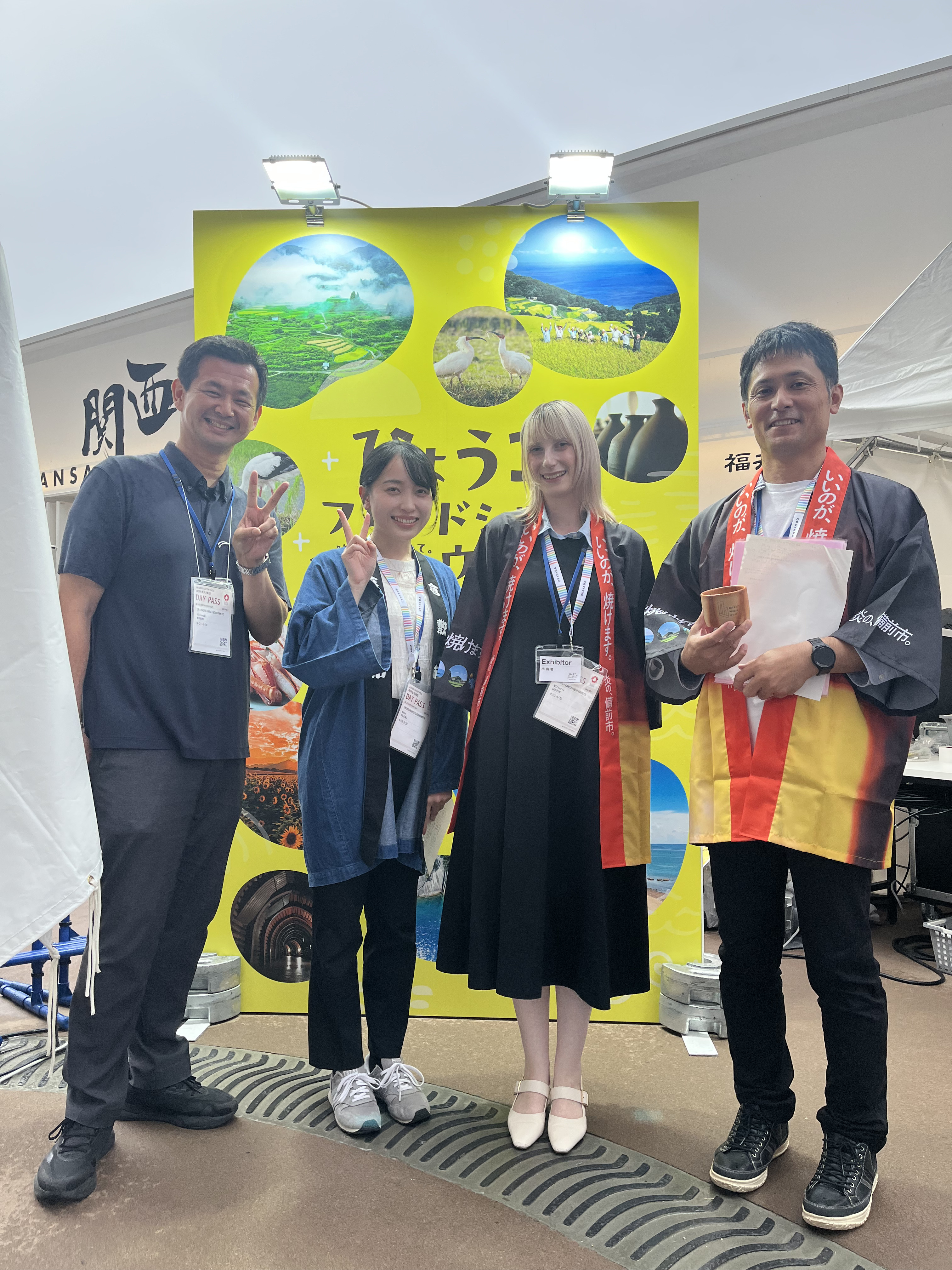
It is also highly appreciated when we get opportutinies to talk about our city or our culture in different places where we would usually not have the budget to get a booth at, I’m thinking back to when Bizen got invited for instance to the Osaka World Expo by Hyogo prefecture to have a booth with them so we could introduce ourselves that was really a big help.
You can follow Victoria on her Instagram, TikTok, and discover more about Bizen's craft culture at the Bizen City Museum of Art's Instagram and website.
Want to discuss this article? Check out the "Japan Handmade Forum" on Discord to join the conversation!
Know someone we should interview next? Send us a recommendation at hello@bottlecap.jp
This page may contain affiliate links, and Bottlecap may earn a commission at no extra cost to you.